---
title: What do modern retailers expect from wholesale brands?
description: Discover the wholesale brand expectations modern retailers demand—digital ordering, real-time inventory, and more.
image: https://blog.nuorder.com/hubfs/Blog_Modern-retailers_hero.webp
---
[](https://nuorder.com)

- Solutions
- [Brand](https://www.nuorder.com/wholesale/)
- [Department Stores](https://www.nuorder.com/assortments/)
- [Specialty Retailers](https://www.nuorder.com/wholesale-buying/)
- [⏩ **Watch on demand** Winning in Wholesale: Closing the Tech Gap](https://go.nuorder.com/winning-wholesale-closing-the-tech-gap?utm_campaign=Winning+in+wholesale&utm_medium=display&utm_source=www&utm_content=blog+nav)
- Products
- [Wholesale](https://www.nuorder.com/wholesale)
- [eCommerce](https://www.nuorder.com/wholesale/ecommerce/)
- [Advanced Sales Tools](https://www.nuorder.com/wholesale/advanced-sales-tools/)
- [Order Management](https://www.nuorder.com/wholesale/order-management/)
- [Flexible Configurations](https://www.nuorder.com/wholesale/flexible-configurations/)
- [Integrated Payments](https://www.nuorder.com/wholesale/integrated-payments/)
- [Actionable Insights](https://www.nuorder.com/wholesale/actionable-insights/)
- [Assortments](https://www.nuorder.com/assortments/)
- [For Brands](https://www.nuorder.com/assortments/brands/)
- [For Retailers](https://www.nuorder.com/assortments/retailers/)
- [Point of Sale](https://www.lightspeedhq.com/pos/retail/)
- [📖 **Get the Guide ** The Death of Disconnected Wholesale: Learn how wholesale has become more connected](https://go.nuorder.com/death-of-disconnected-wholesale-guide)
- Resources
- Resource Library
- [Case Studies](https://www.nuorder.com/resources-archive/#filter-case-study)
- [Blog](https://blog.nuorder.com/)
- [Knowledge Base](https://helpdesk.nuorder.com/hc/en-us/)
- [Learning & Support](https://learning-support.nuorder.com/)
- [📖 **NEW!** State of B2B eCommerce 2026: Wholesale Reengineered](https://go.nuorder.com/report-state-b2b-ecommerce-2026-wholesale-reengineered?utm_campaign=2026+b2b+report&utm_medium=display&utm_source=www&utm_content=blog+nav)
Log In
Get Started
Blog home B2B eCommerce Blog eCommerce tools All topics

## Blog menu
Blog home B2B eCommerce Blog eCommerce tools All topics

[ wholesale ](https://6465908.hs-sites.com/topic?slug=wholesale&page=1)
# What do modern retailers expect from wholesale brands?
Discover the wholesale brand expectations modern retailers demand—digital ordering, real-time inventory, and more.
### Discover a better way to run your wholesale
[ Talk to our team **
](https://cta-service-cms2.hubspot.com/web-interactives/public/v1/track/click?encryptedPayload=AVxigLK26dqakqd%2FGfw8YDOhem1QoEDs7VL9UzC6foJig7hO%2F3kMQMzp6USlKsEZ0IQmM2cqePGYwdQdBbg0KKDZIYwtr9sHcIcTbPgU%2B1wL4NHySGVMsBNQto4jeX9wTIyGoUaoCoY5wHNN%2Fhyhvf03FkXxUfLOcLH18Mom%2FBxUrQ%2Bi&portalId=6465908)
Wholesale buyers in 2026 don't operate the way they did even three years ago. They research brands on their phones during a commute, compare assortments on a screen instead of a showroom floor, and expect the same self-service convenience from a B2B portal that they get from their favorite consumer shopping apps.
NuORDER's [2026 State of B2B eCommerce Report](https://go.nuorder.com/report-state-b2b-ecommerce-2026-wholesale-reengineered) found that 78% of senior leaders now rank wholesale as their #1 investment channel—a figure that keeps climbing year over year.
That money is going to the brands that make buying effortless. The ones still leaning on emailed PDFs and spreadsheet-based ordering are losing shelf space to competitors who've already closed the gap. B2B platforms like [NuORDER by Lightspeed](https://www.nuorder.com/start/sell/) help brands get ahead of these expectations while connecting with retailers around the world.
### Key takeaways
- Digital ordering has gone from differentiator to table stakes; if buyers can't self-serve on your portal, they'll self-serve on someone else's.
- Real-time inventory visibility and shared sell-through data are now core wholesale vendor requirements, not optional extras.
- Pricing, MOQs, and payment terms sit at the foundation of any retail-ready brand checklist—get them wrong and nothing else matters.
- Complete product content and professional digital assets are what move a brand from "under consideration" to "approved vendor."
- Reliability in logistics and proactive support are what turn a first order into a long-term partnership.
## Digital ordering is now a baseline expectation
Not long ago, digital ordering felt like a competitive advantage. Today, [3 in 4 brands use B2B software](https://go.nuorder.com/report-2024-state-of-b2b-commerce) in wholesale distribution. Retailers expect the ability to easily browse products, review [digital linesheets](https://blog.nuorder.com/b2b-catalog), check real-time availability, and place orders through a self-service [B2B eCommerce portal](https://blog.nuorder.com/what-is-an-e-commerce-portal) on their own schedule.
The alternative—emailed spreadsheets, phone calls to confirm stock, handwritten notes at trade shows—slows decisions, introduces errors, and quietly erodes trust. When a buyer manages dozens of brand relationships at once, the ones that create friction get deprioritized first. This [wholesale maturity gap is the single biggest shift](https://blog.nuorder.com/why-wholesale-leaders-are-doubling-down-on-b2b-ecommerce-in-2026) retailers point to right now.
Italian luxury brand [Massimo Alba](https://go.nuorder.com/case-study-massimo-alba) saw this firsthand: after moving from manual order entry, with its incorrect product codes and pricing errors, the brand's global buyers now use [NuORDER](https://blog.nuorder.com/what-is-an-e-commerce-portal) to view, modify, and submit orders 24/7, eliminating delays and miscommunication.
Advanced capabilities like [virtual showrooms](https://blog.nuorder.com/virtual-showrooms-nuorder) and shoppable visuals [make buying feel as intuitive](https://blog.nuorder.com/how-do-brands-sell-wholesale-without-relying-on-trade-shows) as consumer platforms, driving sales between trade shows and across channels.
## Real-time inventory visibility and data transparency
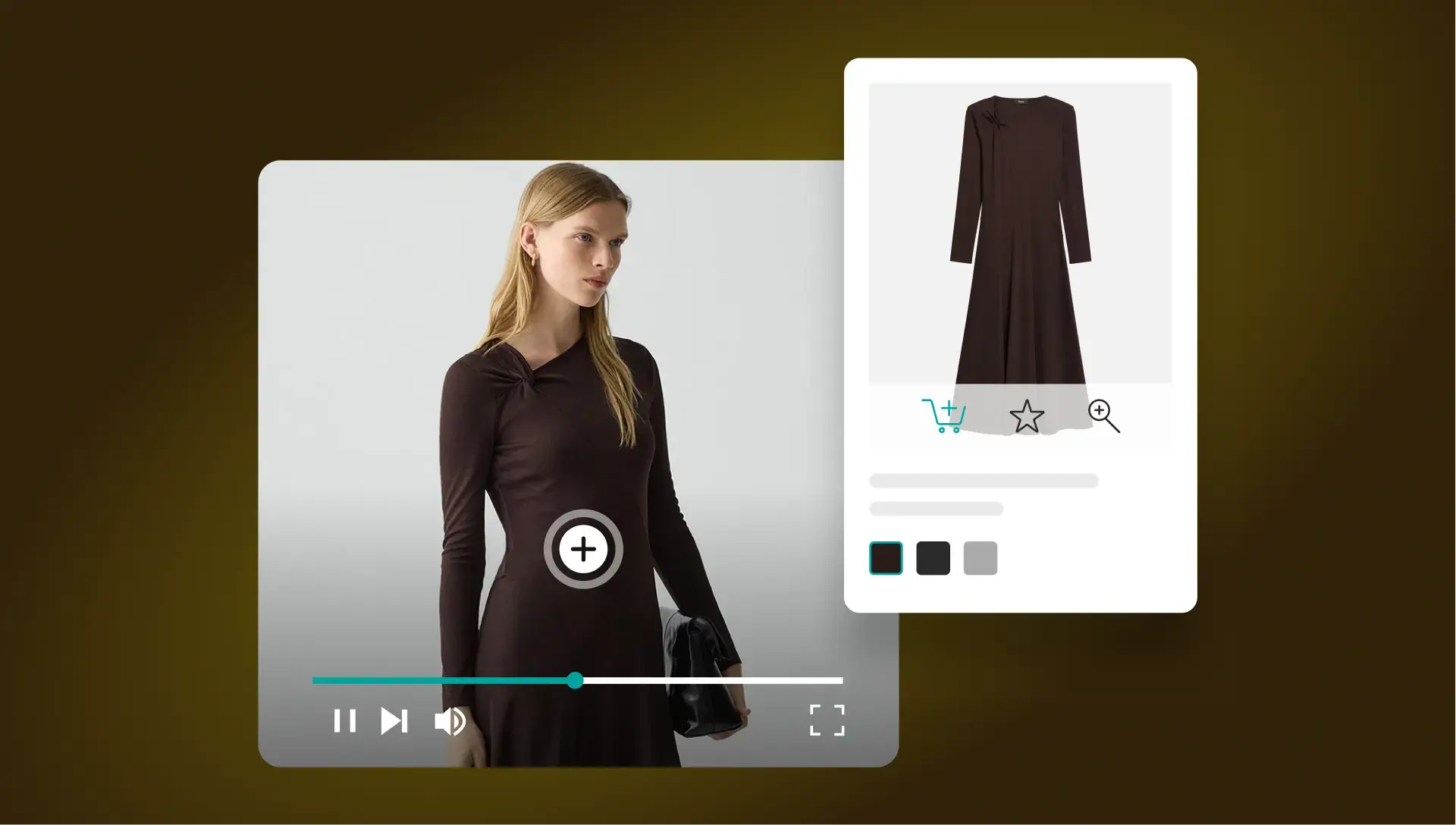
Nothing kills a buyer's confidence faster than placing an order and finding out the product isn't actually available. [Inventory on a B2B portal](https://blog.nuorder.com/inventory-control-techniqueshttps://blog.nuorder.com/inventory-control-techniques) has to match what's physically in the warehouse—full stop. When it doesn't, the immediate fallout is oversold SKUs, delayed fulfillment, and a retailer who starts looking elsewhere.
Accurate stock counts are just the starting point. Retailers also want access to the bigger picture: product availability across regions, pricing, order status, and consumer demand signals like [sell-through data](https://blog.nuorder.com/how-to-drive-sell-through-with-retailers). That transparency helps them align their assortments with what's actually moving, and reduce the overstock risk that plagues [wholesale distribution](https://blog.nuorder.com/wholesale-distribution) at every level.
The brands earning the most trust go even one step further. They're using predictive tools to forecast prebooks, flag slow-moving SKUs before they pile up, and surface emerging demand patterns. [Acne Studios](https://go.nuorder.com/case-study-acne-studios), for instance, gives all ~80 of its retail stores real-time access to local warehouse inventory, so when a customer walks in asking for a product they've seen elsewhere, store staff can check availability and place the order on the spot.
## Pricing, MOQs, and payment terms retailers expect
For retailers, [pricing management](https://blog.nuorder.com/pricing-management) is one of the fastest tells of whether a brand is ready for wholesale. Keystone pricing—the 2x markup that gives a retailer a 50% margin—remains the standard starting point in [wholesale fashion](https://blog.nuorder.com/wholesale-fashion) and beyond. But winning brands are exploring tiered structures that reward volume, seasonal flexibility, and account-specific pricing.
Minimum order quantities carry just as much weight. Retailers—particularly independents and specialty boutiques—bristle at MOQs that force them to take on more inventory risk than makes sense for their store. An inflexible minimum can kill a partnership before it even gets off the ground, especially when competing brands are willing to lower the barrier.
Then there are also [wholesale payment terms](https://blog.nuorder.com/wholesale-payments). For many smaller retailers, predictable and transparent terms are a condition of doing business. Brands that offer flexible options—digital wallets, multiple payment methods, buy-now-pay-later at checkout—remove friction from the purchasing process and encourage buyers to order more frequently.
## Product content, digital assets, and brand alignment
A buyer can't sell what they can't properly list — and they won't wait around for a brand to get its assets together. Retailers need high-res product images from multiple angles, accurate dimensions, materials and fabric composition, care instructions, and copy they can plug directly into their systems. Brands that nail these essentials [move through retailer vetting](https://blog.nuorder.com/blog.nuorder.com/b2b-wholesale-distributors) much faster.
Brands can also stand out with innovative product content. [Digital catalogs](https://blog.nuorder.com/b2b-catalog), lookbooks, campaign imagery, and brand guidelines take work off the retailer's plate and signal that your wholesale operation is built to scale. For example:
- [Santoni](https://go.nuorder.com/case-study-santoni) built regional brand portals through [NuORDER](https://blog.nuorder.com/what-is-an-e-commerce-portal) with custom-curated collections and branded linesheets tailored to each market — giving buyers a presentation that felt both premium and personally relevant.
- [Johnston & Murphy](https://blog.nuorder.com/whiteboards-meet-the-secret-ingredient-behind-johnston-murphys-catalogs-and-curated-buys) uses NuORDER’s [Whiteboarding](https://blog.nuorder.com/whiteboards-meet-the-secret-ingredient-behind-johnston-murphys-catalogs-and-curated-buys) feature to assemble curated buys for key accounts and lay out product assortments for their D2C catalog — pulling all images, SKUs, and product data from one centralized hub.
Once content gets you in the door, brand alignment deepens the relationship. Retailers — especially independents and specialty shops — want confidence that a brand's aesthetic, price positioning, and customer base complement their own store's identity. When that fit is there, the partnership tends to grow naturally into broader assortments and longer-term commitments.
## Logistics, delivery speed, and reliable partnership
Ask any buyer what separates [a good wholesale vendor from a great one](https://blog.nuorder.com/blog.nuorder.com/b2b-wholesale-distributors) and the answer almost always comes back to reliability. Retailers are looking for faster turnaround, fewer stockouts, and zero overselling. What elevates a brand is what happens around the edges, when things don't go according to plan.
On-time delivery has a direct impact on sell-through. A late shipment on a seasonal buy can mean an entire selling window lost. Spring product that arrives in June doesn't just sit on shelves—it gets marked down, eroding margins for the retailer and brand perception for the customer. Missed windows cost real revenue, and buyers have long memories.
But reliability extends beyond the shipping label. Retailers expect brands to be proactive communicators, particularly when supply chain disruptions surface. A brand that flags a delay early—and shows up with alternative solutions—earns far more trust than one that goes quiet and hopes for the best. Platforms with [built-in order tracking](https://www.nuorder.com/wholesale/order-management/) and [fulfillment transparency](https://blog.nuorder.com/8-powerful-wholesale-distribution-software-options-nuorder) reduce the need for manual check-ins and give buyers confidence that operations are under control.
## Proactive support and co-marketing expectations
The transaction is where the relationship starts, not where it ends. Modern retailers expect brands to show up as genuine partners—investing in marketing support, providing staff training materials, and collaborating on co-op advertising that drives traffic to both sides.
Product education is one of wholesale’s most underused levers. Brands that take the time to train retail staff on key selling points, fabric technology, or styling suggestions see measurably higher [sell-through rates](https://blog.nuorder.com/how-to-drive-sell-through-with-retailers) at the register. [Spanx](https://go.nuorder.com/case-study-how-spanx-took-a-d2c-approach-to-wholesale), for instance, equips retail partners with ready-to-use marketing assets and support materials that keep the brand's presentation consistent no matter where a customer encounters it—an approach that translates into sales.
Retailers also pay attention to which brands reach out between orders. The ones that flag new arrivals, share sell-through data, and spot [cross-selling](https://blog.nuorder.com/cross-selling) opportunities get more floor space, more prominent online placement, and stronger overall mindshare.
## Elevate your wholesale with the platform built for global B2B eCommerce
Meeting modern retailer expectations means getting two things right simultaneously: operational excellence and digital infrastructure. One without the other leaves gaps that buyers notice quickly. The brands [gaining ground in 2026](https://blog.nuorder.com/how-is-global-wholesale-buying-changing-in-2026) are the ones investing in a platform that ties it all together—[digital ordering](https://www.nuorder.com/wholesale/order-management/), [real-time inventory](https://www.nuorder.com/wholesale/ecommerce/), [seamless payments](https://www.nuorder.com/wholesale/integrated-payments/), [rich product content](https://www.nuorder.com/wholesale/advanced-sales-tools/), and the [data visibility](https://www.nuorder.com/wholesale/actionable-insights/) that turns transactions into partnerships.
[NuORDER by Lightspeed](https://www.nuorder.com/start/sell/) was purpose-built to help brands connect with retailers, streamline every stage of the buying journey, and scale with confidence across global markets.
### Wholesale brand expectations FAQs
#### What makes a brand retail-ready?
A [retail-ready brand checklist](https://blog.nuorder.com/how-to-get-your-product-into-stores) typically includes consistent product data and high-quality imagery, scalable fulfillment, transparent pricing and MOQs, digital ordering capability, and responsive account management. Brands that check all of these boxes move through retailer vetting faster and earn more reorder business over time.
#### How much do retailers mark up from wholesale?
Most retailers mark up wholesale prices by 50–100%, with keystone pricing (a 2x markup yielding a 50% margin) being the standard baseline. Some specialty or luxury retailers apply higher markups, while mass-market retailers may negotiate tighter margins in exchange for higher volume.
#### What is the biggest issue facing retail right now?
Inventory management and sell-through efficiency are [among the most pressing challenges](https://go.nuorder.com/retail-insights-report-2025-age-of-intelligent-buying) retailers face today. Wholesale brands that provide real-time inventory data, demand forecasting, and flexible ordering help retailers avoid costly overstock and stockout situations.
#### How do retailers buy from wholesalers?
Retailers buy from wholesalers through B2B ordering portals, trade shows, brand rep relationships, and increasingly [wholesale marketplaces](https://www.nuorder.com/wholesale/marketplace/). Digital platforms like [NuORDER by Lightspeed](https://www.nuorder.com/start/sell/) allow retailers to browse digital linesheets, check live inventory, and place orders 24/7 without relying on manual emails or spreadsheets.
Share article
[](https://www.instagram.com/nuorder/) [](https://www.instagram.com/nuorder/) [](https://www.facebook.com/NuORDERwholesale/) [](mailto:heroes@nuorder.com)
Inside this post 

## Related articles
[wholesale](https://6465908.hs-sites.com/topic?slug=wholesale&page=1)
#### [ How to digitize your wholesale business: A step-by-step guide for B2B sellers ](https://blog.nuorder.com/how-to-digitize-wholesale-business)
[wholesale](https://6465908.hs-sites.com/topic?slug=wholesale&page=1)
#### [ What do modern retailers expect from wholesale brands? ](https://blog.nuorder.com/what-retailers-expect-from-wholesale-brands)
[wholesale](https://6465908.hs-sites.com/topic?slug=wholesale&page=1)
#### [ The death of disconnected wholesale: Why the old playbook no longer works ](https://blog.nuorder.com/the-death-of-disconnected-wholesale-guide-nuorder)
[wholesale](https://6465908.hs-sites.com/topic?slug=wholesale&page=1)
#### [ Beyond the tech gap: How brands are creating better wholesale experiences ](https://blog.nuorder.com/beyond-the-tech-gap-how-brands-are-creating-better-wholesale-experiences)
## Get on the list
Wholesale tips and industry news you can’t miss, delivered weekly
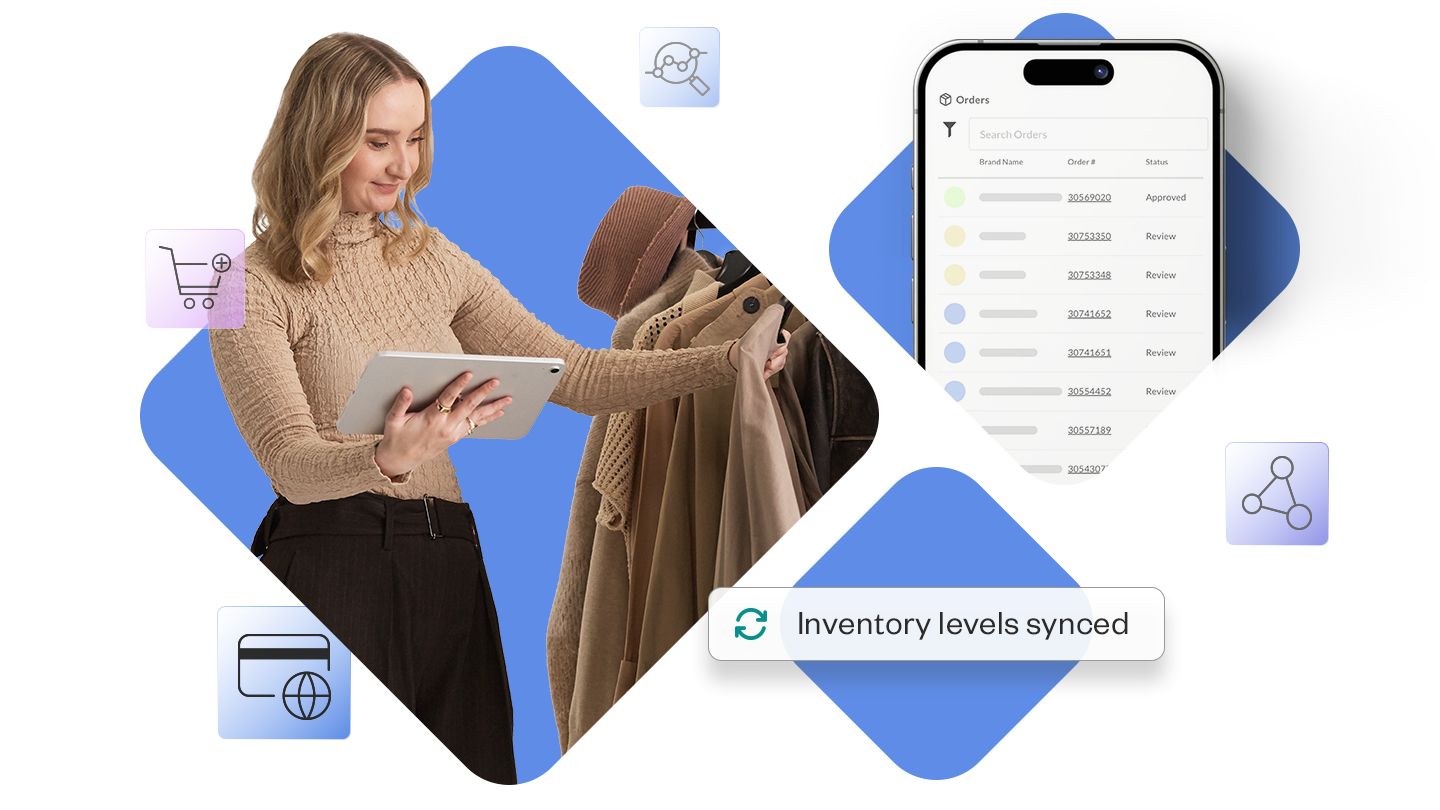
### Are you ready to *transform* your wholesale business?
See how NuORDER by Lightspeed can help you reach new heights.
[ Talk to an expert
](https://cta-service-cms2.hubspot.com/web-interactives/public/v1/track/click?encryptedPayload=AVxigLKTDTbBempP%2BRIjgS9pAHdxVMcaOeuSCue926M3eS2Rv%2BdhlcAIirVFnV1lTIGUbsza0Fi2DJZGmb5f94C0BOHDgW4mgifcbgw8devaI11srUFx5DCBpB0Lg4jOVK9Tv6D5DWpy68tMh6%2BJiSpfUiu6tmeWXBL5FV79tyUkVbdm&portalId=6465908)

Demo request
Log in
- Network
- [Exclusive Retailers](https://www.nuorder.com/exclusive-retailers)
- [Partner Program](https://www.nuorder.com/partners/)
- [Resources ](https://www.nuorder.com/resources-archive/)
- [Content Library](https://www.nuorder.com/resources-archive/)
- [Blog](https://blog.nuorder.com/)
- [Case Studies](https://www.nuorder.com/resources-archive/#filter-case-studies)
- [eBooks & Guides](https://www.nuorder.com/resources-archive/#filter-ebooks)
- [Webinars](https://www.nuorder.com/resources-archive/#filter-webinars)
- [Learning & Support](https://learning-support.nuorder.com/)
- [Knowledge Base](https://helpdesk.nuorder.com/hc/en-us/)
- Company
- [About Us](https://www.nuorder.com/about-us/)
- [Careers](https://www.lightspeedhq.com/careers/)
- [Contact Us](https://www.nuorder.com/contactus/)
- [Privacy Policy](https://www.lightspeedhq.com/legal/privacy-policy/)
- [Terms & Conditions](https://www.nuorder.com/terms-and-conditions/)
Get the latest wholesale tips and industry news from our blog delivered to your inbox.
@2025 NuORDER Inc. All Rights Reserved

- [Resources ](https://www.nuorder.com/resources-archive/)
- [Content Library](https://www.nuorder.com/resources-archive/)
- [Blog](https://blog.nuorder.com/)
- [Case Studies](https://www.nuorder.com/resources-archive/#filter-case-studies)
- [eBooks & Guides](https://www.nuorder.com/resources-archive/#filter-ebooks)
- [Webinars](https://www.nuorder.com/resources-archive/#filter-webinars)
- [Learning & Support](https://learning-support.nuorder.com/)
- [Knowledge Base](https://helpdesk.nuorder.com/hc/en-us/)
- Network
- [Exclusive Retailers](https://www.nuorder.com/exclusive-retailers)
- [Partner Program](https://www.nuorder.com/partners/)
- Company
- [About Us](https://www.nuorder.com/about-us/)
- [Careers](https://www.lightspeedhq.com/careers/)
- [Contact Us](https://www.nuorder.com/contactus/)
- [Privacy Policy](https://www.lightspeedhq.com/legal/privacy-policy/)
- [Terms & Conditions](https://www.nuorder.com/terms-and-conditions/)
Demo request
Log in
Get the latest wholesale tips and industry news from our blog delivered to your inbox.
@2025 NuORDER Inc. All Rights Reserved