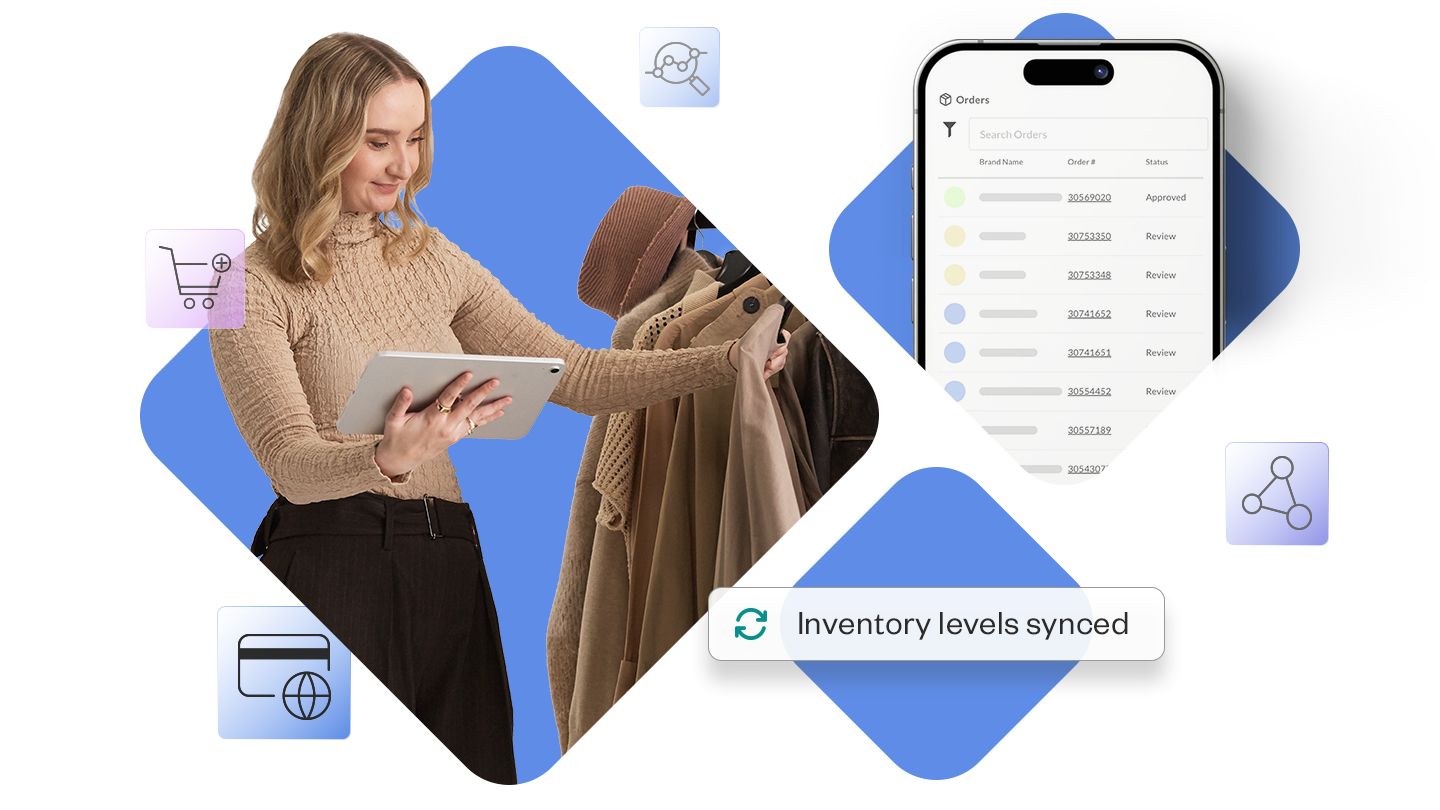
The ultimate guide to wholesale fashion success in 2026
Master wholesale fashion with everything you need to know for sourcing, pricing, selling, and more to grow your business.
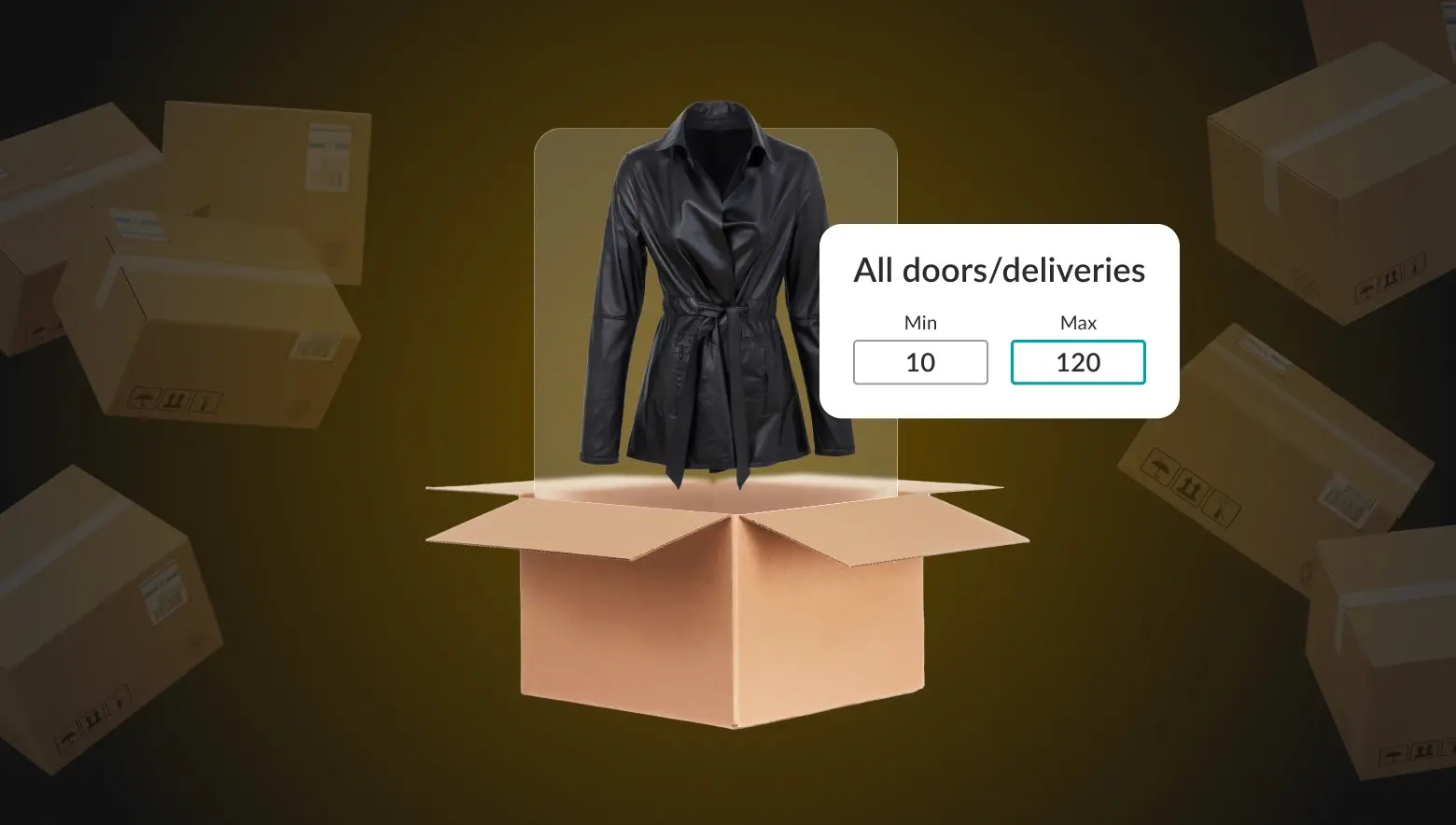
If you'd like to see success in fashion wholesale in 2026, it helps to have a clear picture of the state of the industry. This year, we're witnessing a rapid evolution in buyers' expectations, a rise in B2B digital platforms, and a greater emphasis on sustainability and ethical sourcing.
Read this wholesale fashion guide to learn practical strategies for sourcing products, choosing the right suppliers, protecting your margins, scaling sustainably, and avoiding common pitfalls, especially if you're new to the wholesale business.
Key takeaways
- There are new paths to wholesale success in the fashion industry for 2026.
- The more you understand the nuances of the business, the better your odds for success.
- It's important to vet suppliers, source strategically, and start small.
- Your wholesale business is only as strong as your supplier relationships, profit margins, and buying strategy.
What is wholesale and how does it work?
Wholesale is the B2B side of the fashion industry's sales machine. Manufacturers produce goods according to fashion brands' guidelines and designs, then those fashion brands sell those goods to retailers and distributors who then go on to sell those items to the end consumer. There are many reasons why a brand might sell wholesale, but a few common reasons include entering new markets, reaching new bases of consumers, and diversifying the sources of their revenue.
Online B2B marketplaces combine the ease of shopping B2C eCommerce sites with the nuances of selling wholesale (such as linesheets, payment terms, and taxes and compliance). Wholesale tech simplifies business for everyone involved while opening the door to 24/7 sales around the globe.
In practice, the wholesale business model looks like the following:
-
Brands set minimum order quantities (MOQ) and pricing tiers
-
Merchants order from brands in bulk based on their needs/desires
-
Merchants resell those goods at a markup in online and/or brick-and-mortar locations
Wholesale vs. retail vs. dropshipping
Wholesale encompasses the B2B transactions between brands and merchants (which can be retailers or distributors). The term retail refers to the act of selling directly to consumers (DTC). Dropshipping is both a shipping method and a fulfillment strategy; it's the act of shipping goods directly from the manufacturer to the purchaser. It allows the seller to avoid the costs and complexities associated with warehouse storage and acting as a middleman from a logistics standpoint.
Here's a closer look at what makes each model unique:
| Model | Who owns the inventory? | Risk level | Profit potential | Key considerations |
| Wholesale | The brand owns the inventory. | Relatively low for brands, though influenced by wholesale agreements, supplier relationships, and manufacturing dependencies. | High—especially for brands that partner with the right retail accounts. | Success depends on strong retail partnerships, clear agreements, and reliable supply chain management. |
| Retail | The retailer owns the inventory. | Relatively low for retailers and distributors, but shaped by merchandising strategy, product mix, pricing, and demand forecasting. | High—when retailers buy the right products from the right brands. | Smart assortment planning and pricing strategy are critical to protecting margins. |
| Dropshipping | The brand owns the inventory, but the manufacturer holds and ships the goods directly to the retailer or end customer after purchase. | Quite low—brands avoid storage, fulfillment, and logistics complexities. | High—lower overhead and operational costs increase margin potential. | Can be used in both B2B and B2C models; reduced operational burden often improves scalability. |
Many successful fashion businesses blend these models, for example, dropshipping to their own B2C shoppers while also selling wholesale. The future of fashion wholesale is a synergy of physical and digital.
Common types of wholesale products
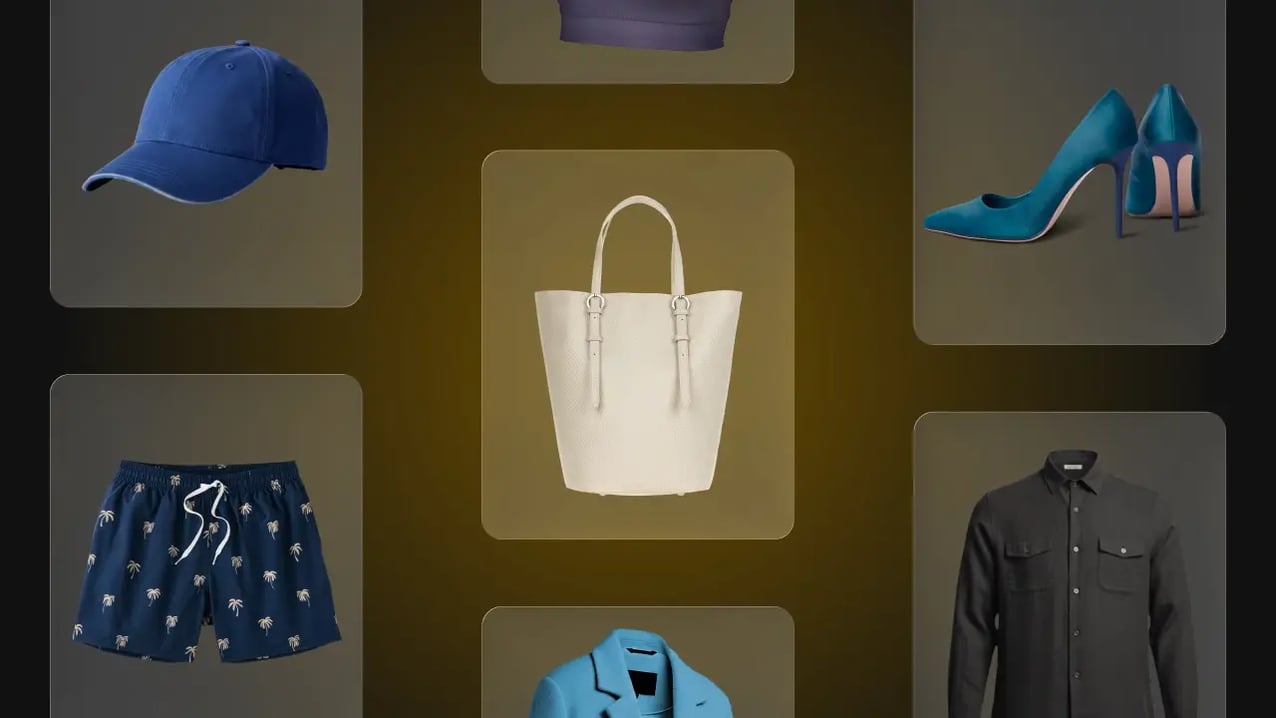
Wholesale product categories run the gamut, from women's and men's apparel to children's clothing, activewear, swimwear, accessories, shoes, and lingerie. A store might carry a mix of trend-driven products and basics, or focus on a specific category.
Some products are branded, and some are private label. Branded products are items you'd recognize from a favorite retailer, even limited-edition ones, since you know they're also sold elsewhere. Private label goods, by contrast, are manufactured for a specific retailer and given a brand name exclusive to that retailer's stores.
Top benefits of wholesale
There are several ways retailers and distributors can benefit from wholesale. Here's a look at the strongest:
Stronger profit margins
Wholesale pricing lets you set healthy markups, especially when you negotiate volume discounts and optimize your pricing strategy.
Curated brand assortment
You can handpick styles that align with your brand DNA to create a cohesive assortment and to strengthen your brand.
Scalable inventory model
After you’ve identified your bestsellers, you can reorder SKUs at volume to improve terms and reliably fuel growth.
Deeper supplier partnerships
Long-term relationships with key vendors can open the door to better payment terms, limited-edition items and exclusives, and priority access to new collections.
Greater quality control
Buying in bulk with quality samples and clear specs helps you maintain consistency across fit, fabric, and construction.
Overcoming the challenges of wholesale fashion success
The rewards of wholesale aren't without risk, but these common challenges come with viable solutions:
| Challenge | Why it's a problem | Practical solution |
| High upfront inventory costs | Wholesale requires sizable investments in inventory before products are sold, which can strain cash flow. | Start with smaller test orders, negotiate lower MOQs, and build a tight buying plan focused on proven categories. |
| Rise of dead stock | If trends miss the mark or you overbuy, you’re left with slow-moving inventory that ties up capital. | Test new styles in small quantities, track sell-through closely, and use promotions or bundles to move underperforming products. |
| Managing supplier reliability | Inconsistent quality or late deliveries can damage your brand reputation and disrupt cash flow. | Vet suppliers carefully, request samples, set clear SLAs, and diversify across multiple trusted vendors to reduce dependency risk. |
| Operational and logistics complexity | Storing, picking, packing, and shipping larger volumes increases operational strain as you scale. | Standardize processes early, use simple inventory tools or 3PL support, and keep your SKU count focused while growing. |
Choosing wholesale clothing manufacturers
Whether you'll order private-label or branded goods, it's essential to choose the right partners. Hold every potential wholesale partner to a strict set of standards concerning product quality, reliability, communication, MOQ, pricing transparency, and ethical practices.
Here’s a simple evaluation process you can use:
- Research reviews from other retailers, or ask the supplier to connect you with past or current clients. Inquire about product quality, reliability, communication, and ethical practices.
- Request samples so you can inspect product quality for yourself.
- If the brand or manufacturer touts sustainable or ethical practices, ask to see any certifications they claim to hold.
- Negotiate terms rather than accepting them as initially presented, and confirm the manufacturer is transparent about pricing.
- Start with a smaller trial order, at or above their MOQ, to test the waters.
6 tips for succeeding in wholesale fashion
In our 2026 State of B2B eCommerce Report, we found that 78% of senior leaders now rank wholesale as their #1 investment priority, with brands favoring margin discipline over growth-at-all-costs. We created this roadmap to help you attain sustainable wholesale success.
1. Source strategically and diversify suppliers
The caliber and reliability of your suppliers matter, and diversifying them minimizes risk. Work with multiple suppliers across categories and price tiers, and adopt a mix of local and international vendors to cover your bases against tariffs, regulations, and shifting geopolitics.
Periodically review your suppliers' performance so you can prune and replace underperformers.
2. Start small and test before scaling
Invest in a smaller test order whenever you're about to work with a new supplier, regardless of glowing reviews. Starting small helps you identify issues, gauge how they do business, and see how the goods actually sell, including sell-through rates, returns, and customer feedback. Use that information to decide whether, and at what scale, to reorder. A "test, learn, repeat" mindset protects your cash flow and helps you avoid dead stock.
3. Build strong supplier relationships
Whether you're placing your second order or two hundredth, prioritizing relationships is one of the best things you can do for your business.
In practice that looks like:
- Communicating clearly, respectfully and in a timely manner
- Paying vendors on time
- Adhering to all contractual agreements
- Chiming in with constructive feedback that can improve their products or sell-through
- Negotiating for win-win outcomes
When you have a solid relationship with a supplier, it can open the door to wonderful advantages such as priority support, early access to new styles, and access to limited-edition SKUs or exclusives.
4. Maximize profit margins through smart pricing
Take a strategic approach to your pricing to maximize your profit margins. Start by calculating your landed cost (product + shipping + duties + fees), then determine the wholesale prices you can pay and the right retail prices for your particular base(s) of consumers that can also help you reap healthy margins. There are also many sell-through strategies that can help you meet your profit margin goals. Look into volume discounts, tiered pricing, strategic markdowns, and bundles; these are options that can help you increase average order value (AOV) without eroding your profit.
5. Develop a clear buying strategy
Develop a detailed buying strategy to keep your teams aligned, and to help you keep on track as you place buys throughout the year. Define your niche and define and describe your ideal customer(s). Create a seasonal calendar that applies specifically to your stores. Account for store and location-specific events. For example, based on your niche, customers, and assortments, maybe the Kentucky Derby, Frieze, and Art Basel are important calendar items for your store. Or maybe you have stores in seasonal places to consider such as Martha's Vineyard or Scottsdale. You can also put special European summer wholesale fashion strategies into place. Then create an official category mix before you place your next buy.
Reference your sales history and use simple forecasting to build a buying plan that balances core staples with trendy fashion wholesale pieces.
6. Prioritize sustainability and ethical sourcing
More and more consumers are prioritizing sustainable, ethical fashion; successful retailers are following their lead. Develop a practice of vetting your suppliers. Find out if they're engaging in ethical labor practices, confirm whether they're actually using sustainable materials, and prioritize doing business with those that have transparent supply chains.On the sales side, let customers know about your sustainable, ethical goods: choose products that appeal to conscious shoppers, build campaigns and messaging that speak to them, and explain the craftsmanship behind your SKUs so premium pricing translates well.
Take wholesale fashion further with NuORDER
It’s clear that smart sourcing, strong supplier relationships, and data-driven buying are the keys to 2026 wholesale fashion success. And NuORDER helps brands and retailers put these best practices into action via digital showrooms, streamlined orders, and better data visibility.
Wholesale fashion FAQs
How do I find legitimate wholesale suppliers?
To find legitimate wholesale suppliers, search reputable B2B marketplaces, attend trade shows, and ask for referrals from your industry peers. Regardless of how you come across a wholesale supplier, be sure to read reviews or ask for references; it's also a great idea to double-check their business registrations. Finally, ask for samples and typical contract terms before you agree to place your initial order.
Do I need a license or resale certificate to buy wholesale clothing?
Before you start buying and reselling wholesale clothing, find out what kind of business documents you'll need to get started. Most regions require a business license and/or a resale certificate to grant you permission to buy products at wholesale rates; requirements vary, so be sure to inquire about local regulations. When you have all of the legitimate paperwork in place, you can establish legitimacy with suppliers, properly prepare and pay your taxes, and legally access wholesale prices.
Can you run a wholesale fashion business from home?
If you sell exclusively online and only need to navigate smaller volumes of inventory, you might be able to establish a home-based wholesale business. Before you do, research local zoning rules and regulations, confirm your storage space needs, and figure out your packing and shipping logistics. Also consider the future; for instance, at what point would it make sense to move your operations to a warehouse or to third-party logistics (3PL)?
How is wholesale different from retail?
In wholesale, a brand sells goods in bulk to another business, like a retailer or distributor, who then resells them to the end consumer. In retail, the sale happens directly between a business and the individual shopper.
What's a typical minimum order quantity (MOQ) for wholesale?
MOQs vary widely by supplier and category, from a few dozen units to several hundred. Many suppliers will negotiate a lower MOQ for a first order, so it's worth asking before assuming a listed minimum is fixed.
Share article


Get on the list
Wholesale tips and industry news you can’t miss, delivered weekly