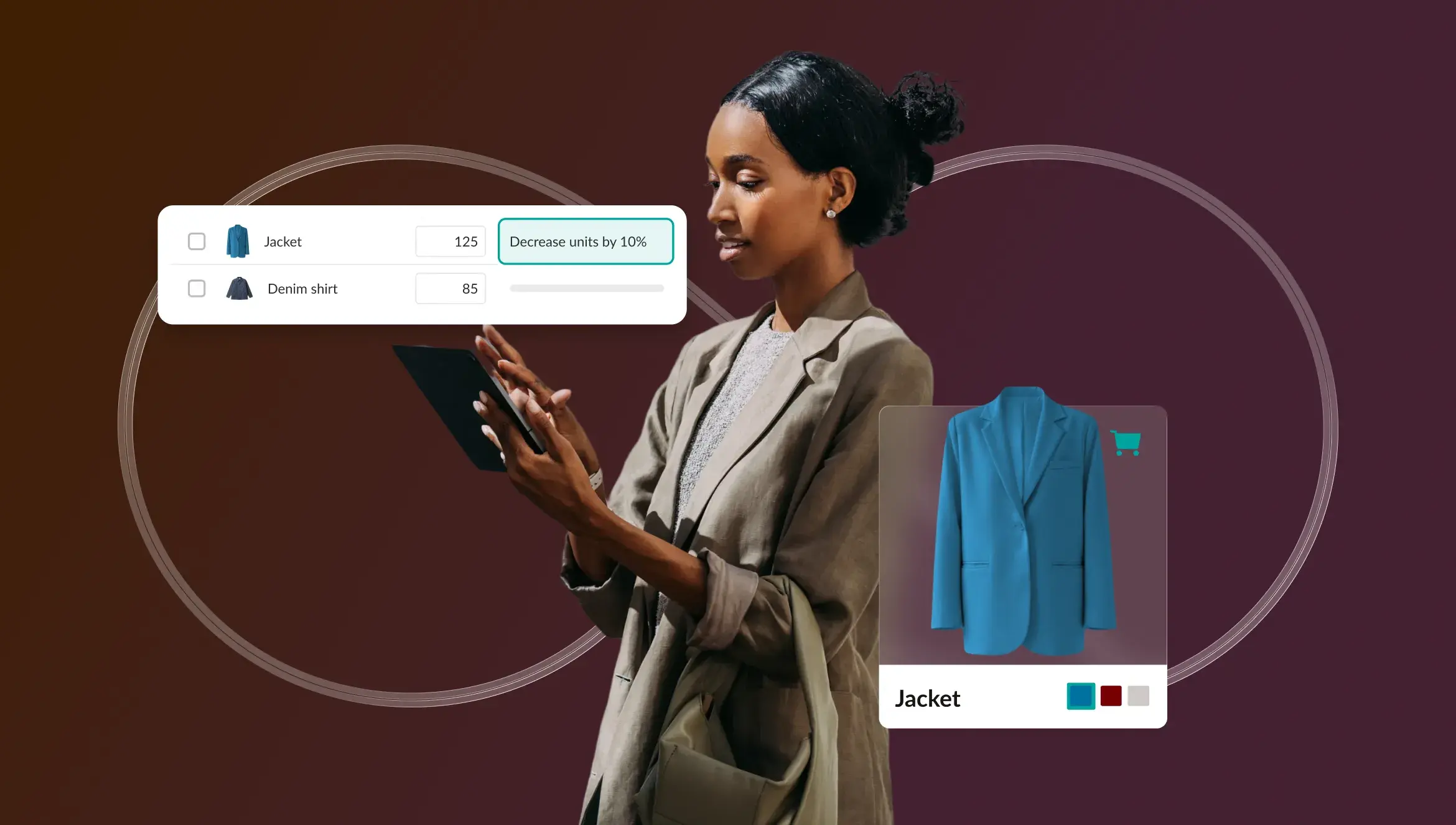
Wholesale distribution

What is wholesale distribution? How it works, benefits, and examples

Wholesale distribution is the B2B process of buying bulk from manufacturers and reselling smaller quantities to retailers, not end consumers.

banner_image

Discover a better way to run your wholesale

Wholesale distribution is a supply chain process where a middleman buys products in bulk from a manufacturer and resells them to retailers, who then sell them to the final consumers. By lowering costs and boosting retail profitability, wholesale distribution plays a vital economic role—especially as demand for rapid product delivery and strategic storage grows. Let’s explore how this industry anchors the modern supply chain, and look at the cutting-edge tech fueling its evolution.

Key takeaways


  • Wholesale distribution moves products from manufacturers to retailers through bulk buying and resale.

  • Distributors reduce complexity by handling logistics, warehousing, and fulfillment.

  • Wholesale distribution is built for B2B transactions, larger orders, and lower per-unit pricing.

  • Wholesale distribution creates value for manufacturers, distributors, and retailers in different ways.

  • Digital tools help brands and buyers discover partners and streamline ordering.

Wholesale vs. retail

The primary difference between wholesale and retail lies in who the customer is and the transaction volume. Wholesale involves business-to-business (B2B) sales in larger quantities at lower per-unit prices, while retail involves selling directly to end consumers in smaller quantities at higher per-unit prices. Retailers purchase from wholesalers, mark up the prices to cover their operational costs, and sell to consumers. 

While wholesalers focus on efficiency, volume, and logistics, retailers concentrate on customer experience, merchandising, and individual sales. Both play essential roles in the supply chain, with wholesalers connecting manufacturers to retailers, and retailers connecting products to consumers.

What are wholesalers?

Wholesalers are businesses that purchase large quantities of goods directly from manufacturers and sell them in smaller (but still bulk) quantities to retailers, other businesses, or sometimes other distributors. They serve as crucial intermediaries in the supply chain, handling logistics, warehousing, and distribution functions that manufacturers may not want to manage. Wholesalers typically specialize in specific product categories or industries, allowing them to develop expertise and relationships that benefit both manufacturers and retailers. 

By consolidating products from multiple manufacturers, wholesalers offer retailers the convenience of one-stop shopping for inventory needs, simplifying procurement processes and reducing the complexity of managing multiple vendor relationships.

What is wholesale distribution?

Wholesale distributors purchase products from manufacturers in bulk and then sell the products to retailers. Wholesale distributors also handle the logistics and warehousing of manufacturer merchandise, reducing the complexity retailers sometimes face when working directly with manufacturers. You can think of wholesale distribution as the middleman between manufacturers and retailers.

Key aspects of wholesale distribution

Wholesale distribution plays an important role in efficiently moving products from manufacturers to retailers. It helps businesses get the products they need while reducing the complexity of sourcing, storage, and fulfillment.

  • Bulk purchasing and resale: Wholesalers buy products in large quantities from manufacturers and resell them in smaller wholesale quantities to retailers and other businesses.

  • Logistics and warehousing support: Many distributors handle storage, inventory management, and shipping, which helps simplify the buying process for retailers and reduces the burden on manufacturers.

  • Industry specialization: Wholesale distributors often focus on specific product categories, giving them deeper expertise and a more curated selection of merchandise.

  • Streamlined sourcing: By bringing products from multiple manufacturers together, distributors make it easier for retailers to source inventory from one place instead of managing many separate supplier relationships.

  • Broader market access: Wholesale distribution helps manufacturers reach more buyers and gives retailers access to a wider range of products across different regions and markets.

  • Pricing and flexibility: Because wholesalers buy at scale, they can often offer more competitive pricing, along with ordering flexibility that helps retailers adapt to changing demand.

Who are wholesale distributors?

Wholesale distributors are businesses that buy products in bulk from manufacturers and sell them to retailers or other businesses. They act as a bridge in the supply chain, helping products move from production to the point where they can be sold to consumers.

In many cases, wholesale distributors also handle warehousing, inventory management, and order fulfillment. Because they often specialize in specific product categories or industries, they can offer retailers a more efficient way to source inventory and a more focused selection of products.

Examples of wholesale distributors

Wholesale distributors can operate across many categories, from everyday consumer goods to specialized B2B products.

  • Food and beverage distributors that supply restaurants, grocery stores, and convenience retailers.

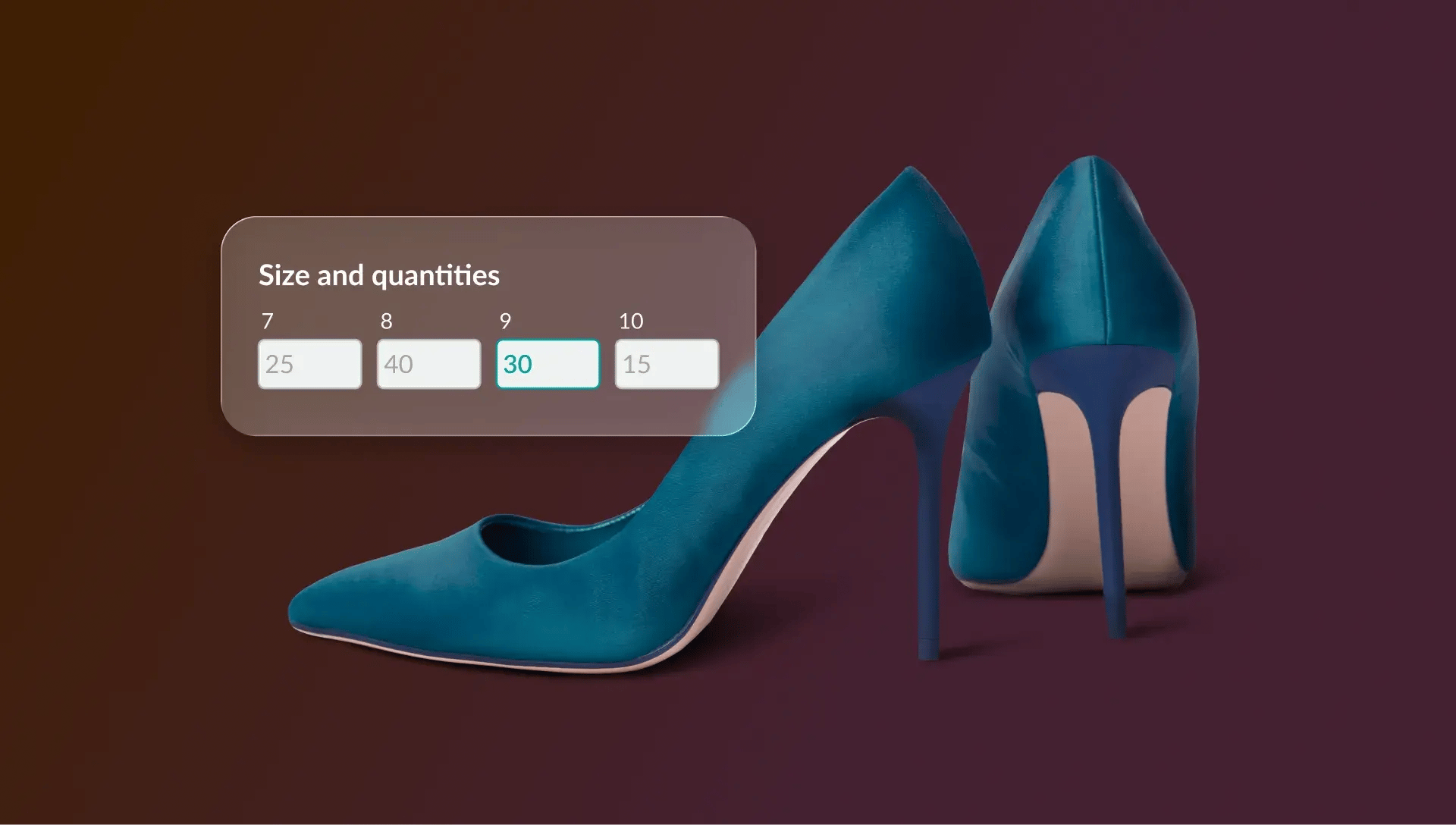
  • Apparel and fashion distributors that provide clothing, accessories, and footwear to retail stores.
Footwear-1

  • Beauty and personal care distributors that sell cosmetics, skincare, and salon products to retailers.

  • Electronics distributors that move phones, accessories, and other devices to stores and resellers.

  • Home goods and furniture distributors that supply dĂ©cor, kitchenware, and furnishing products to retail buyers.

  • Industrial and commercial distributors that provide tools, equipment, and supplies to businesses.

These examples show how wholesale distribution supports a wide range of industries by making products easier to source, manage, and move through the supply chain. That value becomes even clearer when you look at the benefits of wholesale distribution for manufacturers, wholesalers, and retailers.

Benefits of wholesale distribution

Wholesale distribution provides benefits to everyone involved—manufacturers, wholesalers, and retailers.

Wholesale distribution benefits for manufacturers

  • Focus on core competencies: By turning to wholesale distribution to sell their products, manufacturers free up time and resources to focus on core competencies like product development, production, and innovation, while outsourcing distribution activities to wholesalers.

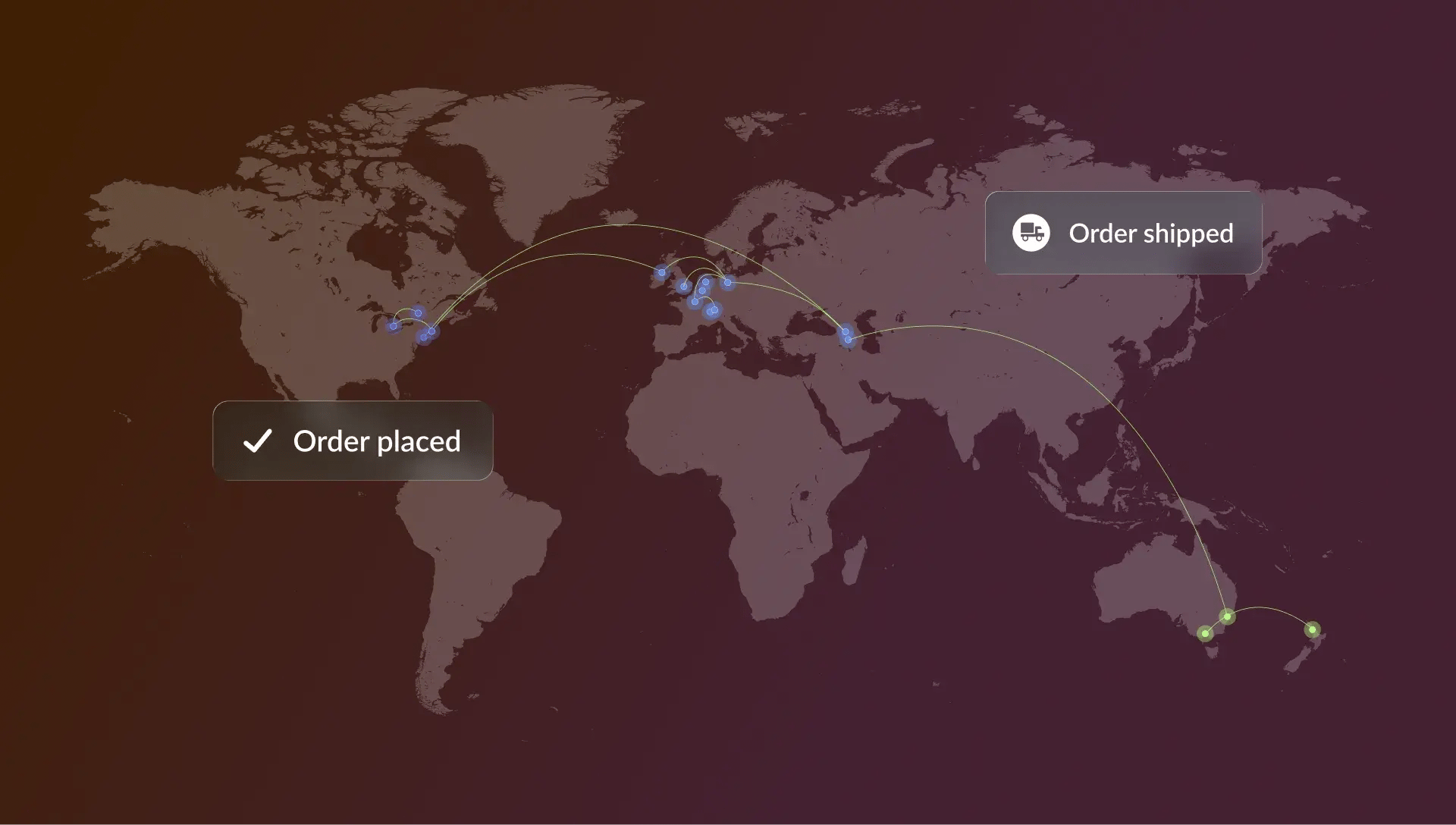
  • Access to broader markets: Wholesale distribution channels provide manufacturers with access to a network of retailers and markets with further reach than they might otherwise achieve. With wholesale distribution, they can reach new customers and new regions.
Ecomm-1

  • Simplified logistics: Wholesale distribution helps manufacturers streamline their logistics processes because wholesalers handle tasks such as warehousing, inventory management, and order fulfillment.

Wholesale distribution benefits for wholesalers

  • Economies of scale: Wholesalers are often able to purchase goods in bulk quantities, allowing them to negotiate lower prices from manufacturers or producers. This enables them to reduce their per-unit costs and increase profitability.

  • Expanded market reach: By selling to a variety of retailers or businesses, wholesalers can increase the potential for sales and business growth by reaching a broader market than selling directly to consumers.

  • Risk mitigation: Wholesalers can diversify their product offerings and carry a variety of items from various manufacturers. This diversification minimizes the risks associated with fluctuations in demand or changes in consumer preferences for specific products.

Wholesale distribution benefits for retailers

  • Convenience: Retailers are often able to source a wide range of products from one wholesaler. This simplifies the procurement process and allows retailers to focus on sales and customer service, while still being able to offer a variety of products.

  • Cost savings: By purchasing goods from wholesalers at discounted prices, retailers can reduce their procurement costs compared to buying directly from manufacturers.

  • Flexibility: Wholesalers often offer retailers flexible ordering options, including small minimum order quantities and the ability to replenish inventory quickly. This flexibility allows retailers to adapt to changing customer demand and seasonal trends more effectively.

Starting a wholesale distribution business

If you’re looking to start your own wholesale distribution business, the first place to start is research, research, research. Wholesale distribution can be profitable, but it also requires investment, space, and risk. You’ll be buying in bulk directly from manufacturers, and you’ll need to make sure the merchandise you purchase will have enough consumer demand to generate healthy sales. Since wholesale distribution involves a larger buy, you’ll also need a large space to store your merchandise. Some states require wholesale licenses, and specific goods might require additional licenses on the federal level. 

If you want to tap into more markets and increase sales, consider using an online marketplace like NuORDER by Lightspeed to connect with retail buyers and spread awareness about your merchandise. 

Get started with wholesale distribution

Use a distribution partner to avoid minimum order requirements

Reaching out to a manufacturer of interest directly can remove the costs associated with using a wholesale distributor as a middleman. However, many manufacturers have a minimum order requirement. If your business is too small for their minimum order, ask about their established wholesale distribution channels. The manufacturer likely has existing relationships with wholesale distribution partners, who may be able to sell your business a smaller minimum order at a higher price per item. Remember, the fewer people involved in your wholesale distribution purchase, the larger your profit margins will be.

How to find the right wholesale distribution partner

Once you’ve found a wholesale distribution channel for your desired product, there are several things to consider before moving forward with the relationship. Make sure to ask where materials are sourced and about their ethics and sustainability. Consumers value these considerations today more than ever, so look for wholesale distribution partners with sustainable initiatives who can offer you an extra layer of credibility in consumers’ eyes. 
Here’s a checklist of key data points to request at your first wholesale distribution meeting:

  • Minimum order requirements

  • Wholesale unit prices

  • Location they serve/ship to

  • In-depth product information

Be honest and upfront about what you’re looking for and ask for any additional information you might need to complete your purchase. Remember, there may be multiple wholesale distribution channels for one product, so don’t be afraid to shop around and research alternative supplier options. Also, remember your wholesale distribution relationships will and should change over time, so be open-minded to how wholesale distribution partners can help support you as your business grows. 

Digital tools for wholesale distribution

There are a variety of digital tools and innovations that can help you find wholesale distributors or even help you start and manage your own wholesale distribution business. Tools like digital trade shows and online marketplaces connect retailers and distributors, share new products, and simplify ordering processes. 

Digital trade shows

Trade shows are one of the most important methods of finding and building a wholesale distribution partnership that grows your business. Digital trade shows add the technical advantages of being able to sort merchandise by category from the comfort of your computer. Digital trade shows can help narrow the search for a perfect wholesale distribution partner. Be sure to research which digital trade event fits the vertical most relevant to your business. 

Online marketplaces

Outside of scheduled digital trade shows, an online marketplace can give you year-round access to an even larger pool of potential wholesale distribution partnerships. Brands and wholesale distributors can also reach out to you if they think they have merchandise that fits your retail style. This allows for a two-sided interaction that interests both parties.

Elevate your wholesale strategy with smarter tools

When it’s approached in the right way, wholesale distribution is still a profitable channel for both retailers and brands—and innovative technology takes it to new heights.

Embracing digital tools, like NuORDER by Lightspeed’s online marketplaces and digital trade shows, can simplify the search for wholesale distribution partners and accelerate business opportunities. Whether you're a retailer or a distributor, unlock new possibilities for your business by learning how NuORDER is elevating the wholesale experience.

Wholesale distribution FAQs

What is the difference between retail and wholesale distribution?

Wholesale distribution sells products in bulk to retailers and businesses at lower per-unit prices, while retail distribution sells smaller quantities directly to individual consumers at higher prices. Wholesale focuses on B2B efficiency, volume, and logistics, whereas retail prioritizes customer experience and single-item sales.

What are the four types of distribution?

The four main types of distribution are direct (manufacturer to consumer), indirect via retailers, indirect via wholesalers, and intensive distribution through multiple channels. In wholesale contexts, the wholesaler channel is key for scaling B2B sales efficiently across larger volumes.

What is a wholesale distribution channel?

A wholesale distribution channel is the path where manufacturers sell bulk products to wholesalers or distributors, who then supply retailers. It simplifies logistics, broadens market access, and prioritizes volume and efficiency over direct consumer sales.

Share article

Inside this post

Get on the list

Wholesale tips and industry news you can’t miss, delivered weekly
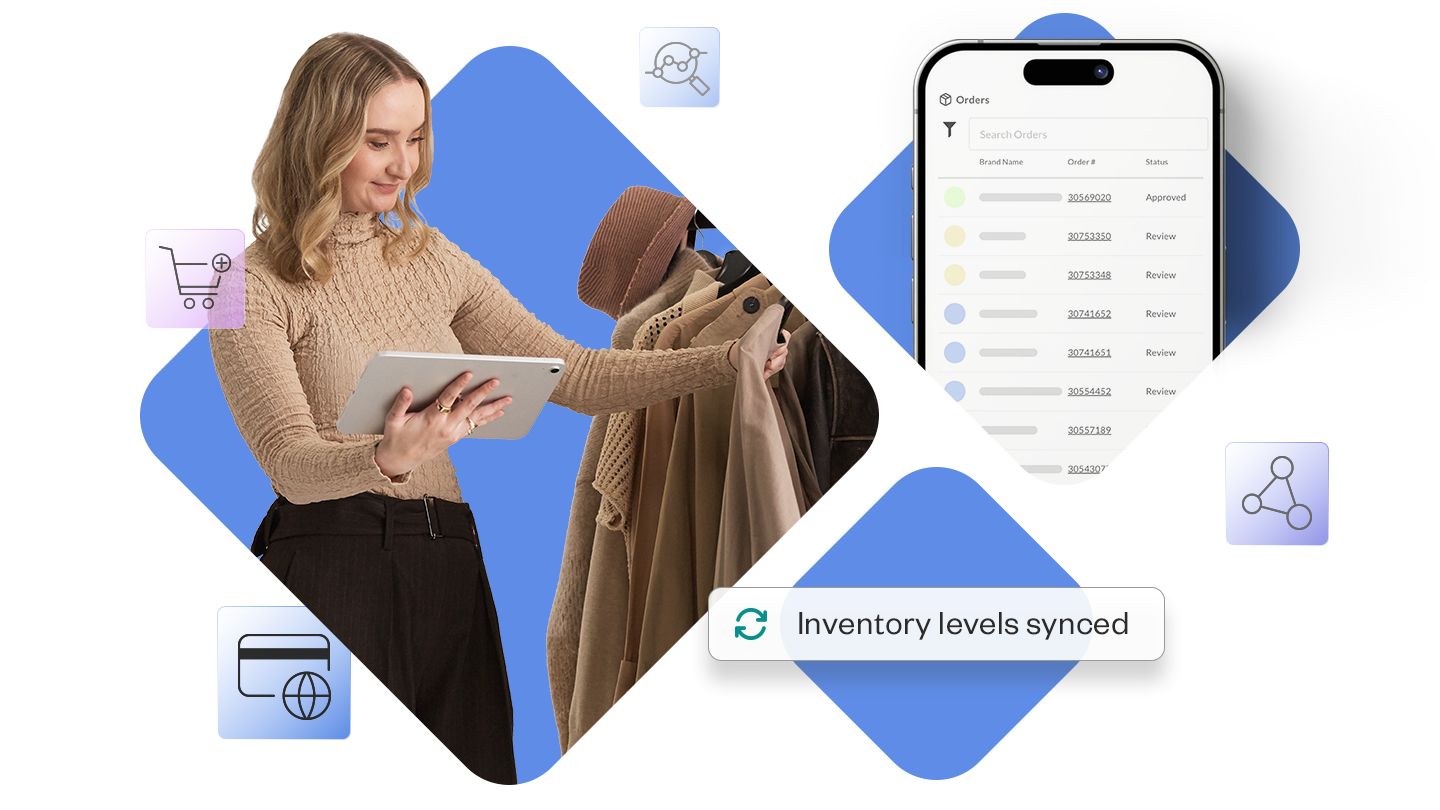
Are you ready to transform your wholesale business?

See how NuORDER by Lightspeed can help you reach new heights.