---
title: How Brands Sell Wholesale Without Trade Shows | NuORDER
description: Discover how brands sell wholesale without trade shows using B2B marketplaces, owned portals, and digital outreach.
image: https://blog.nuorder.com/hubfs/Blog_wholesale-without-tradeshows_hero.webp
---
[](https://nuorder.com)

- Solutions
- [Brand](https://www.nuorder.com/wholesale/)
- [Department Stores](https://www.nuorder.com/assortments/)
- [Specialty Retailers](https://www.nuorder.com/wholesale-buying/)
- [⏩ **Watch on demand** Winning in Wholesale: Closing the Tech Gap](https://go.nuorder.com/winning-wholesale-closing-the-tech-gap?utm_campaign=Winning+in+wholesale&utm_medium=display&utm_source=www&utm_content=blog+nav)
- Products
- [Wholesale](https://www.nuorder.com/wholesale)
- [eCommerce](https://www.nuorder.com/wholesale/ecommerce/)
- [Advanced Sales Tools](https://www.nuorder.com/wholesale/advanced-sales-tools/)
- [Order Management](https://www.nuorder.com/wholesale/order-management/)
- [Flexible Configurations](https://www.nuorder.com/wholesale/flexible-configurations/)
- [Integrated Payments](https://www.nuorder.com/wholesale/integrated-payments/)
- [Actionable Insights](https://www.nuorder.com/wholesale/actionable-insights/)
- [Assortments](https://www.nuorder.com/assortments/)
- [For Brands](https://www.nuorder.com/assortments/brands/)
- [For Retailers](https://www.nuorder.com/assortments/retailers/)
- [Point of Sale](https://www.lightspeedhq.com/pos/retail/)
- [📖 **Get the Guide ** The Death of Disconnected Wholesale: Learn how wholesale has become more connected](https://go.nuorder.com/death-of-disconnected-wholesale-guide)
- Resources
- Resource Library
- [Case Studies](https://www.nuorder.com/resources-archive/#filter-case-study)
- [Blog](https://blog.nuorder.com/)
- [Knowledge Base](https://helpdesk.nuorder.com/hc/en-us/)
- [Learning & Support](https://learning-support.nuorder.com/)
- [📖 **NEW!** State of B2B eCommerce 2026: Wholesale Reengineered](https://go.nuorder.com/report-state-b2b-ecommerce-2026-wholesale-reengineered?utm_campaign=2026+b2b+report&utm_medium=display&utm_source=www&utm_content=blog+nav)
Log In
Get Started
Blog home B2B eCommerce Blog eCommerce tools All topics

## Blog menu
Blog home B2B eCommerce Blog eCommerce tools All topics

[ Brand ](https://6465908.hs-sites.com/topic?slug=brand&page=1)
# How to sell wholesale without relying on trade shows
Discover how brands sell wholesale without trade shows using B2B marketplaces, owned portals, and digital outreach.
### Discover a better way to run your wholesale
[ Talk to our team **
](https://cta-service-cms2.hubspot.com/web-interactives/public/v1/track/click?encryptedPayload=AVxigLK26dqakqd%2FGfw8YDOhem1QoEDs7VL9UzC6foJig7hO%2F3kMQMzp6USlKsEZ0IQmM2cqePGYwdQdBbg0KKDZIYwtr9sHcIcTbPgU%2B1wL4NHySGVMsBNQto4jeX9wTIyGoUaoCoY5wHNN%2Fhyhvf03FkXxUfLOcLH18Mom%2FBxUrQ%2Bi&portalId=6465908)
## How brands are expanding their wholesale strategy beyond trade shows
Trade shows continue to be a cornerstone of wholesale discovery, offering relationship-building, product experience, and industry visibility that are difficult to replicate. However, due to costs that include booth fees, travel, and staffing, trade shows are unable to carry the full weight of a brand's entire wholesale strategy. That’s where digital channels come in; they’ve emerged as a powerful complement, extending reach and engagement between seasonal trade events to keep the momentum going. And they’re great for relationships—buyers appreciate self-service discovery and ordering options that are available whenever they’d prefer to buy or browse.
### Key takeaways
- Digital channels continue wholesale business momentum between seasonal trade events
- Use the best tools for your business and the right mix of channels to gain visibility and drive sales
- Further expand your sales with direct outreach and by working with agencies or reps
## Online B2B marketplaces as a discovery engine
Retailers can actively browse online B2B marketplaces to source new wholesale partners, rather than waiting for brands to reach out. Some platforms are open marketplaces, while others, like NuORDER, combine buyer discovery with private wholesale relationships and curated retail networks. To illustrate, brands can also list products, share digital catalogs, and receive inbound orders on NuORDER. Vetted retailer networks also put brands in front of buyers who already have a purchasing mindset. What’s more, they can discover brands all year long which increases the odds of landing new accounts.
Most online B2B marketplaces function differently. They charge per-order commissions or subscription fees, which can affect margin and should be factored into your pricing strategy before you list. These platforms are most suitable for early-stage wholesale brands and brands that aim to expand into new markets without a dedicated sales team. As their wholesale volume grows, many of these brands migrate repeat buyers to an owned portal so they can reduce fees and achieve greater control.
## Building a self-service B2B portal on your website
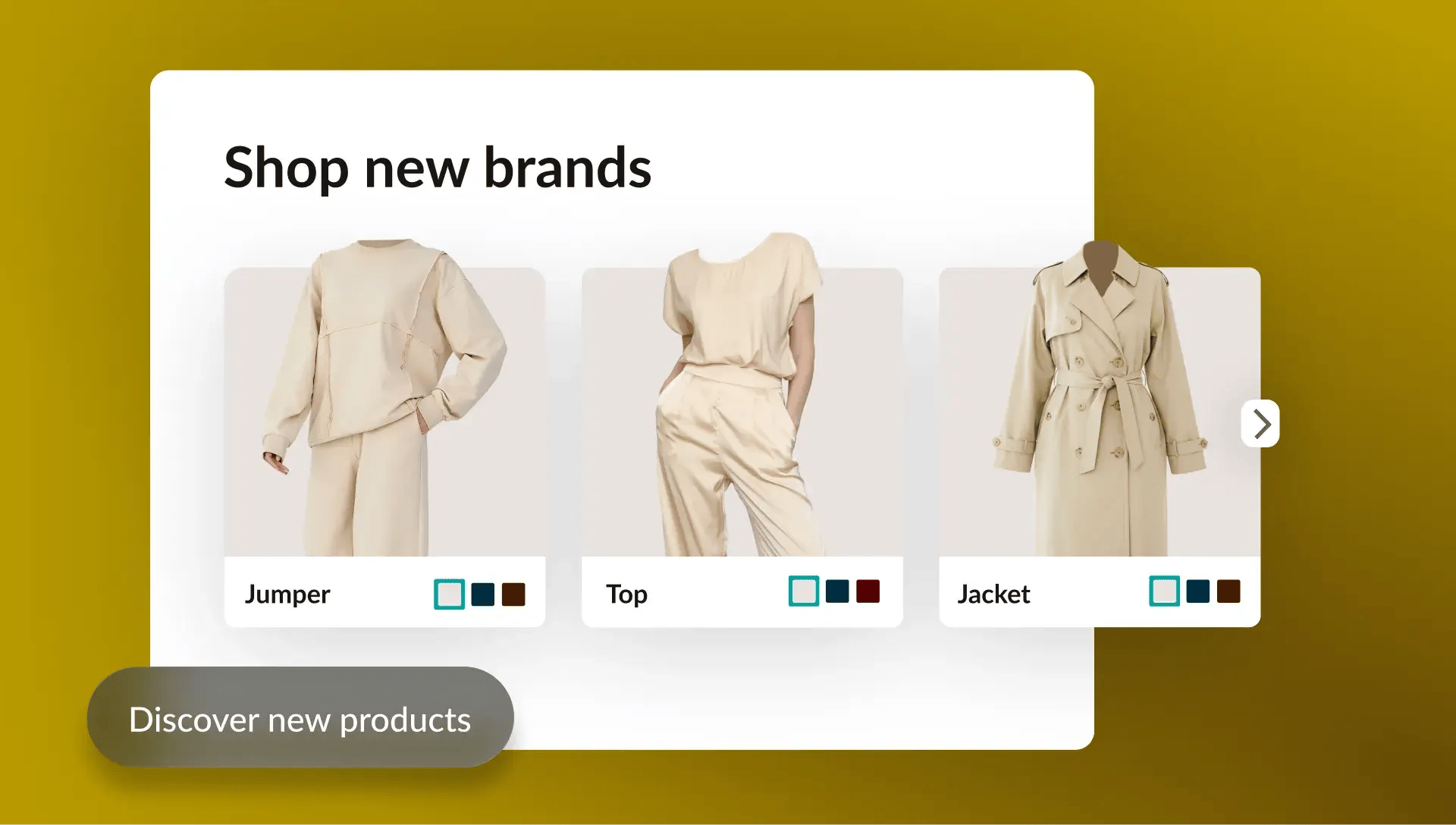
Establish a dedicated wholesale portal so your existing and prospective retail partners can [browse, order, and reorder without going through one of your reps](https://blog.nuorder.com/5-of-many-benefits-of-the-digital-wholesale-storefront) or a third-party marketplace. With 24/7 ordering access, buyers never have to wait and you can speed up the time to sale. Use digital line sheets and shoppable catalogs to give buyers skimmable, highly visual resources. And use custom pricing tiers, account-specific discounts and contract terms, and product visibility rules to tailor the buying experience to each of your retail partners. Again, this makes it possible for buyers to get information and order on their own schedules—even if they’re privy to special terms. Similarly, real-time inventory visibility (including insights into available-to-sell (ATS) and pre-book), reduces the need for back-and-forth communication; it can reduce order errors too.
Your B2B portal can also help you preserve more margin. It eliminates the expense of third-party commissions, while keeping the presentation and image of your brand fully under your control. [NuORDER's wholesale website solution](http://nuorder.com/wholesale/) includes the ability to customize your own fully branded, password-protected portal. It has all the features and tools mentioned above built in, and it’s strategically designed to support wholesale (rather than simply mimicking a B2C design).
## Direct outreach strategies that convert
- Send a targeted cold email to boutique owners or category buyers. [Personalized pitches](https://blog.nuorder.com/best-practices-to-boost-orders-with-campaigns-ez-orders) that include a lookbook and evidence of direct-to-consumer (DTC) demand tend to perform better than generic templates.
- Physical mailers and sample packages bypass inbox competition and demonstrate confidence in your products.
- Use LinkedIn to identify great-fit retail buyers by job title, then engage with them authentically over time. When you’re ready to pitch, have that conversation in a direct message on LinkedIn so they’ll recognize you and remember who you are.
- Contact buyers and boutique owners who publicly share their curation processes on Instagram.
Direct outreach can be especially effective for [landing specific “dream” accounts](https://blog.nuorder.com/wholesale-to-retail-how-to-get-your-product-into-stores)—so research, confirm alignment, then reach out.
## Working with independent sales reps and agencies
If you’re just starting out as a new brand, you might want to work with commission-based sales reps. They already have pre-existing relationships with retail buyers which can be especially useful when you’re new with zero accounts. Reps operate within specific territories or verticals, so make sure they’re aligned with your target retailers before you hire them. Sales agencies offer team structures with broader coverage, so they often cost more than working with individual reps. Whether you work with a sales rep or an agency, you might want to extend payment windows and offer selective consignment arrangements to help them close your first orders with retailers. They reduce risk and make it more likely that retailers will move forward with their buys.
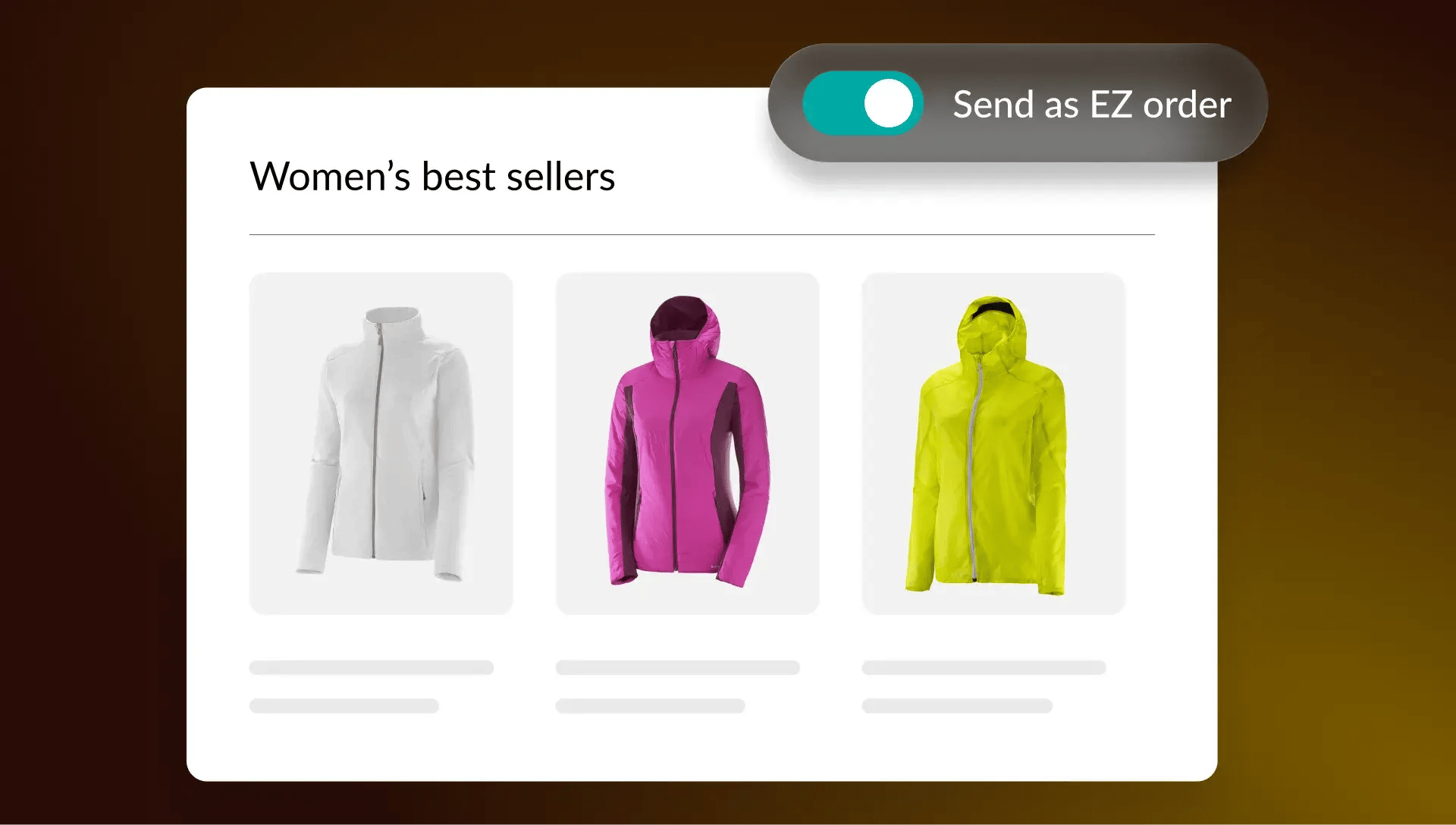
Give your reps role-appropriate access to your B2B wholesale platform. [NuORDER allows reps to send tailored recommendations directly to buyers’ inboxes](http://nuorder.com/wholesale/), run email campaigns to highlight bestsellers and new collections, and write or review orders on the go via a dedicated mobile app. While in-person meetings are important, digital wholesale tools can greatly expand your business between trade events. They can also support the sale process when you’re selling face to face.
## Digital tools that extend your reach between trade shows
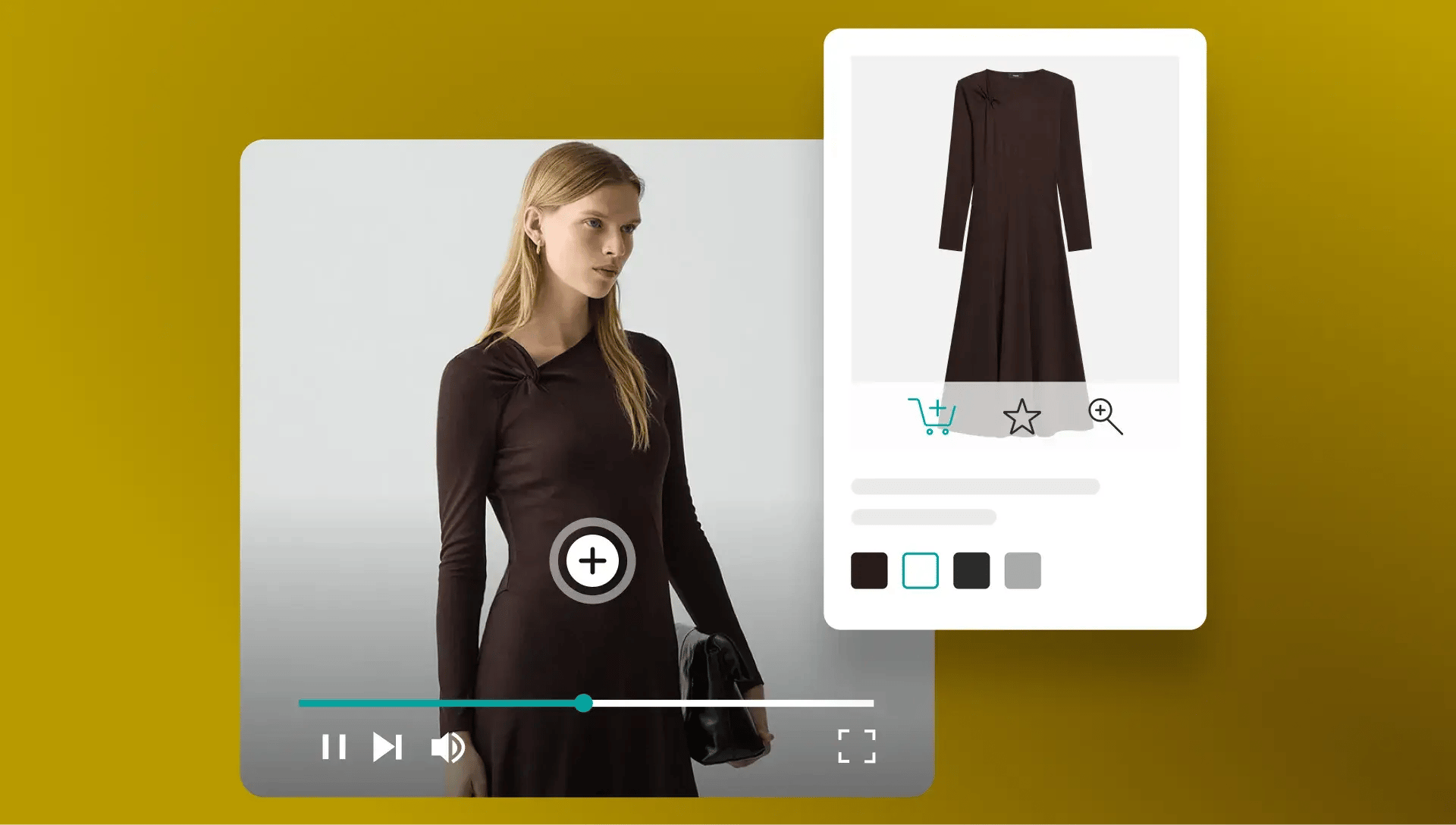
With access to [virtual showrooms](https://www.nuorder.com/wholesale/virtual-showrooms/) and 3D product displays, buyers can explore your brand whenever they desire. And this can keep you top of mind throughout the year. You can [email buyers shoppable digital lookbooks and line sheets](https://blog.nuorder.com/b2b-catalog) or embed them within your B2B portal to speed up the buying process and to make it easier to follow up on those conversations you had at trade shows. Offer video walkthroughs and "new collection" webinars to keep buyers engaged between ievents—you can also use them to connect with accounts who weren’t able to attend in person. Finally, integrations with your CRM and ERP systems help centralize buyer activity, order history, and engagement data, so your team always has full context… regardless of where they are.
## How to choose the right mix of channels
If you’re an early-stage brand building a retailer base from scratch, start with a B2B marketplace for inbound discovery, then layer in direct outreach to land specific target accounts. [Once you have some repeat buyers, put a self-service portal in place](https://blog.nuorder.com/b2b-wholesale-platform).
If you’re a growing brand with an existing retailer base, migrate your loyal accounts to an owned portal to reduce commission costs. Then lean on reps or targeted outreach to expand into new territories or categories.
If you’re an established or globally distributed brand, you need a platform that supports advanced order management, multiple currencies, and ERP integration; operational complexity quickly outpaces marketplace tools at this stage.
Regardless of the size of your brand, the strongest wholesale strategies are built on multiple channels—trade shows, digital tools, and direct outreach that work together to bring greater results. And the best infrastructure grows with your business; platforms like NuORDER are built to support brands at every stage, from independent boutique outreach to department store partnerships.
## Scaling wholesale without a trade show presence
As wholesale volume grows, manual processes like spreadsheets, email orders, and PDF catalogs become bottlenecks. Use integrated platforms to consolidate inventory, pricing, order management, and retailer communication in one place. As brands expand beyond DTC into wholesale, managing multiple sales channels increases operational complexity; omnichannel selling (managing multiple sales channels) reduces operational complexity as order volume scales.
[Platforms like NuORDER support the wholesale side of that equation](https://blog.nuorder.com/8-b2b-ecommerce-case-studies-and-examples-nuorder), integrating with ERP, eCommerce, and other backend systems to keep inventory, orders, and buyer activity connected across your business. Brands with strong wholesale programs typically combine the use of a marketplace for top-of-funnel discovery with an owned portal that supports repeat business.
## Taking wholesale further with the right platform
Brands managing wholesale across multiple channels (marketplaces, owned portals, independent reps) need infrastructure that can keep everything connected. For example, NuORDER was designed exactly for this. You can use it to manage buyer relationships, [digital showrooms](https://blog.nuorder.com/virtual-showrooms-nuorder), and order workflows at scale, across global networks of retailers.
[ Learn why NuORDER is the world’s leading modern B2B eCommerce platform. ](https://cta-service-cms2.hubspot.com/web-interactives/public/v1/track/click?encryptedPayload=AVxigLKehOpncDsVlkQBjhLDab9chth%2BgF%2F0xYEYF34Q%2BKxGcPebQfZaBpcpPYuZOK7IaLgB1NU9ka6iIeERB5yFTTE7d8eFt8K9TKUhMM8Lq6W2nOR3D6LFuzNkOu4le9Cs7chCVHLX3J4tBb98vMaHW6Wd5t5T7EBeV3qt1nXQRVx0IJNv8ms%3D&portalId=6465908)
### FAQs
#### What is the most effective way to get wholesale buyers without trade shows?
Use a mix of channels: marketplaces for inbound discovery from active buyers, direct outreach for landing specific retailers, and self-service portals to convert interest into repeat orders. Consistent, year-round visibility is key.
#### Do wholesale buyers actually prefer ordering online instead of meeting in person?
While in-person meetings can be valuable, it’s not always possible or necessary to meet with buyers outside of major trade events. When you offer buyers self-service options to browse and shop 24/7, you’re making it a lot easier for them to be successful at their jobs. The right digital tools like lookbooks, portals, and showrooms replicate the in-person experience to offer buyers all the details they need.
#### When should a brand move from marketplaces to its own wholesale portal?
It makes sense to establish your own wholesale portal after you’ve attained repeat business or consistent order volume, if marketplace fees are eating your margins, if you need more control over your pricing, branding, and buyer experience, or if you’d like to streamline the reordering process.
Share article
[](https://www.instagram.com/nuorder/) [](https://www.instagram.com/nuorder/) [](https://www.facebook.com/NuORDERwholesale/) [](mailto:heroes@nuorder.com)
Inside this post 

## Related articles
[brand](https://6465908.hs-sites.com/topic?slug=brand&page=1)
#### [ How do global brands manage inventory across regions? ](https://blog.nuorder.com/how-global-brands-manage-inventory-across-regions)
[brand](https://6465908.hs-sites.com/topic?slug=brand&page=1)
#### [ How to sell wholesale without relying on trade shows ](https://blog.nuorder.com/how-do-brands-sell-wholesale-without-relying-on-trade-shows)
[brand](https://6465908.hs-sites.com/topic?slug=brand&page=1)
#### [ From transaction to transformation: How brands and retailers can build stronger relationships ](https://blog.nuorder.com/from-transaction-to-transformation-how-brands-and-retailers-can-build-stronger-relationships)
[brand](https://6465908.hs-sites.com/topic?slug=brand&page=1)
#### [ Inside 2025 wholesale: What we learned and what brands need to know for 2026 ](https://blog.nuorder.com/inside-2025-wholesale-what-we-learned-and-what-brands-need-to-know-for-2026)
## Get on the list
Wholesale tips and industry news you can’t miss, delivered weekly
### Are you ready to *transform* your wholesale business?
See how NuORDER by Lightspeed can help you reach new heights.
[ Talk to an expert
](https://cta-service-cms2.hubspot.com/web-interactives/public/v1/track/click?encryptedPayload=AVxigLKTDTbBempP%2BRIjgS9pAHdxVMcaOeuSCue926M3eS2Rv%2BdhlcAIirVFnV1lTIGUbsza0Fi2DJZGmb5f94C0BOHDgW4mgifcbgw8devaI11srUFx5DCBpB0Lg4jOVK9Tv6D5DWpy68tMh6%2BJiSpfUiu6tmeWXBL5FV79tyUkVbdm&portalId=6465908)

Demo request
Log in
- Network
- [Exclusive Retailers](https://www.nuorder.com/exclusive-retailers)
- [Partner Program](https://www.nuorder.com/partners/)
- [Resources ](https://www.nuorder.com/resources-archive/)
- [Content Library](https://www.nuorder.com/resources-archive/)
- [Blog](https://blog.nuorder.com/)
- [Case Studies](https://www.nuorder.com/resources-archive/#filter-case-studies)
- [eBooks & Guides](https://www.nuorder.com/resources-archive/#filter-ebooks)
- [Webinars](https://www.nuorder.com/resources-archive/#filter-webinars)
- [Learning & Support](https://learning-support.nuorder.com/)
- [Knowledge Base](https://helpdesk.nuorder.com/hc/en-us/)
- Company
- [About Us](https://www.nuorder.com/about-us/)
- [Careers](https://www.lightspeedhq.com/careers/)
- [Contact Us](https://www.nuorder.com/contactus/)
- [Privacy Policy](https://www.lightspeedhq.com/legal/privacy-policy/)
- [Terms & Conditions](https://www.nuorder.com/terms-and-conditions/)
Get the latest wholesale tips and industry news from our blog delivered to your inbox.
@2025 NuORDER Inc. All Rights Reserved

- [Resources ](https://www.nuorder.com/resources-archive/)
- [Content Library](https://www.nuorder.com/resources-archive/)
- [Blog](https://blog.nuorder.com/)
- [Case Studies](https://www.nuorder.com/resources-archive/#filter-case-studies)
- [eBooks & Guides](https://www.nuorder.com/resources-archive/#filter-ebooks)
- [Webinars](https://www.nuorder.com/resources-archive/#filter-webinars)
- [Learning & Support](https://learning-support.nuorder.com/)
- [Knowledge Base](https://helpdesk.nuorder.com/hc/en-us/)
- Network
- [Exclusive Retailers](https://www.nuorder.com/exclusive-retailers)
- [Partner Program](https://www.nuorder.com/partners/)
- Company
- [About Us](https://www.nuorder.com/about-us/)
- [Careers](https://www.lightspeedhq.com/careers/)
- [Contact Us](https://www.nuorder.com/contactus/)
- [Privacy Policy](https://www.lightspeedhq.com/legal/privacy-policy/)
- [Terms & Conditions](https://www.nuorder.com/terms-and-conditions/)
Demo request
Log in
Get the latest wholesale tips and industry news from our blog delivered to your inbox.
@2025 NuORDER Inc. All Rights Reserved