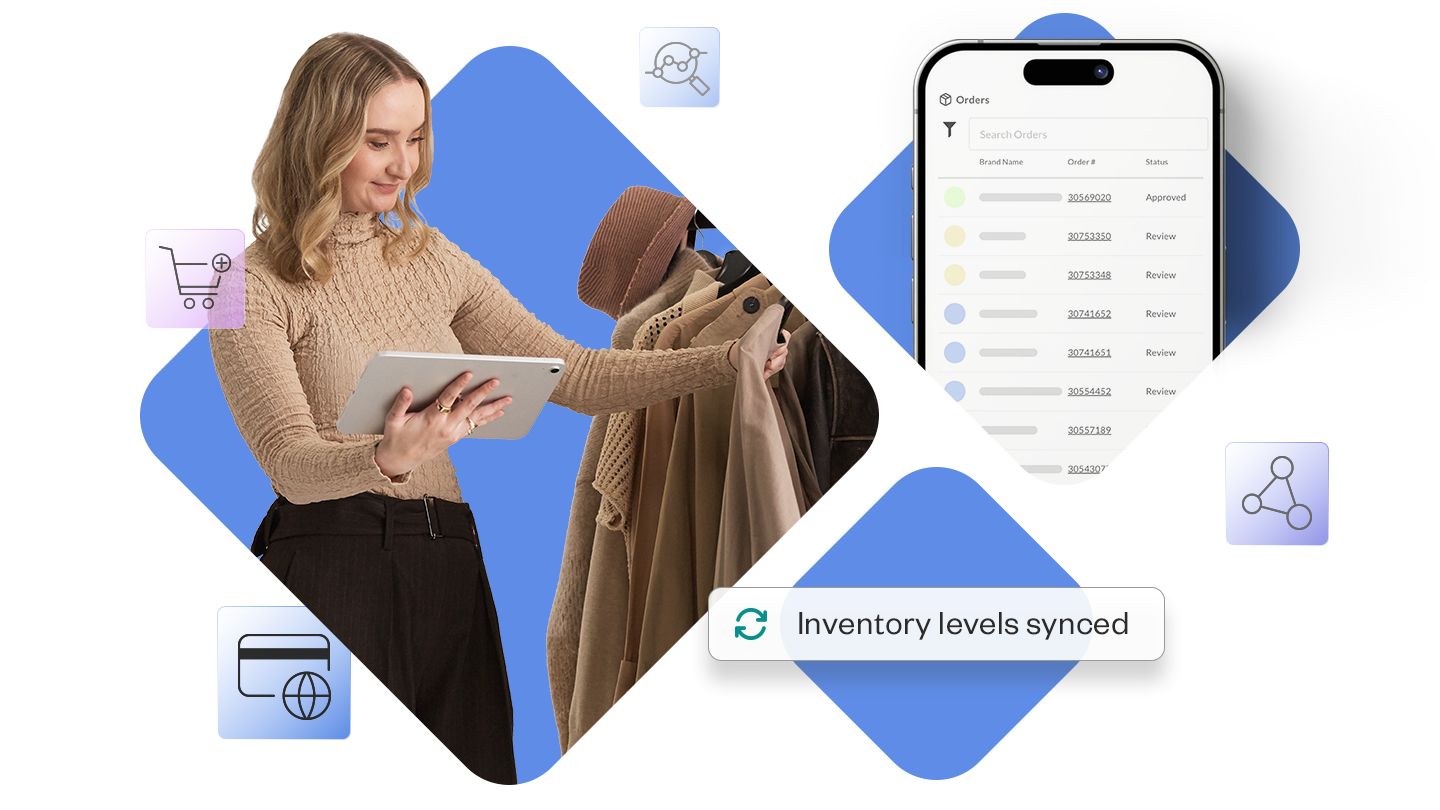
Wholesale is changing fast. Learn why disconnected workflows are creating friction for brands and retailers, and what's replacing them in this guide.
Wholesale used to run on a fairly predictable rhythm. Retailers placed seasonal orders months in advance. Brands built production plans around those commitments. Reorders happened. But retail doesn’t move like that anymore.
Now, retailers are buying more cautiously. They're protecting cash flow, watching sell-through more closely, and waiting longer to double down on products that are already proving they can sell.
At the same time, brands are being asked to deliver accurate inventory, pricing, and product information across a growing network of systems, channels, and retail partners. In our new guide, The Death of Disconnected Wholesale, we explore how these shifts are changing the way brands and retailers work together—and why many wholesale workflows are struggling to keep pace.
For independent retailers especially, inventory decisions carry more weight than they once did. There is less room for overstock, delayed reorders, or cash tied up in products that aren't moving.
Yet many buying processes still involve a mix of spreadsheets, vendor portals, email chains, and manual updates.
The friction adds up quickly. Time spent chasing confirmations, checking inventory availability, or reconciling orders is time that can't be spent merchandising products, helping customers, planning assortments, or growing the business.
On the brand side, the challenge looks different but leads to the same outcome. Product information often lives across multiple systems, making it harder to maintain visibility and respond quickly when demand shifts.
The businesses adapting most effectively aren't necessarily carrying more inventory or making bigger bets. They're making decisions with better information. Retailers want to know what's selling, what needs to be reordered, and where inventory risk is building.
Brands want a clearer picture of retail performance so they can identify opportunities sooner, support partners more effectively, and respond while demand is still building. The common thread is visibility. When product, inventory, and sales data are easier to access and act on, teams spend less time guessing and more time making confident decisions.
Retailers are evaluating products but they're also evaluating the experience of working with a brand. They’re asking themselves:
How easy is it to place an order?
How quickly can inventory information be accessed?
How simple is it to reorder?
As buying cycles become more dynamic, those questions matter more and the brands earning the strongest retailer relationships are often the ones making wholesale easier to navigate, easier to trust, and easier to act on. These changes are reshaping wholesale in ways that affect both brands and retailers.
Download the full guide for a closer look at the forces driving those changes, the challenges they're creating, and how leading businesses are adapting.
Wholesale tips and industry news you can’t miss, delivered weekly