Virtual showroom

The complete guide to digital showrooms in wholesale

See what a digital showroom in wholesale is, how it works, and the features and benefits making brands go virtual.

banner_image

Discover a better way to run your wholesale

Wholesale buying used to revolve around crowded market-week appointments, stacks of printed line sheets, and a race for physical samples. That playbook is fading fast. With three in four brands now using B2B software in wholesale distribution, digital ordering has moved from competitive advantage to baseline expectation—and digital or virtual showrooms are at the center of that shift. This guide covers what a digital showroom actually is, how it works, its core features and benefits, and where the hybrid selling model is headed next.

Key takeaways


  • A digital showroom is an interactive, online B2B platform where brands showcase collections and retail buyers explore products and place wholesale orders remotely.
  • Unlike a static line sheet or a consumer e-commerce catalog, a digital showroom replicates the high-touch, curated feel of a physical showroom—built specifically for trade buyers.

  • The headline benefit is global, 24/7 buyer access that simultaneously cuts sample production, shipping, and travel costs.

  • Must-have capabilities include integrated ordering with real-time inventory visibility that syncs directly into ERP and CRM systems.

  • The future is hybrid: physical showrooms and market weeks augmented by always-on digital experiences, with AR and VR adding new layers of interactivity.

What is a digital showroom in wholesale?

A digital showroom is an interactive online B2B platform where brands present their collections and retail buyers explore products, build assortments, and place wholesale orders—all remotely. It’s your brand showroom, translated into an immersive digital environment that buyers can visit from anywhere in the world.

These spaces combine many of the tools that wholesale has relied on for decades: printed line sheets, physical sample rooms, and market-week appointments. A well-built digital showroom condenses all of that into a single, always-available destination.

A digital showroom is not a consumer e-commerce store with a login slapped on top. It's purpose-built for trade buyers, which means it supports wholesale fashion workflows like account-specific pricing, curated assortments, and minimum order quantities. Wholesale’s complexity makes generic online tools fall short.

How does a digital showroom work?

A digital showroom rests on three pillars: rich product presentation, built-in B2B ordering, and back-end integration. When all three work together, buyers move seamlessly from browsing to ordering—without the friction of emails, calls, or mailers.

Immersive product visualization and content

The media inside a digital showroom recreates the sensory experience of in-person browsing. High-resolution photography, 360° spins, 3D product models, fabric and color swatches, shoppable lookbooks, and brand-story video all give buyers the confidence to commit to an order without handling a physical sample for every style.

This is where strong digital showroom software separates itself from a basic product grid. Danish brand Minimum, for example, used branded videos and 360-degree product views to create a guided seasonal narrative, with lead designers introducing each collection's themes and direction before buyers ever reached the product grid.

Minimum

Built-in B2B ordering and assortment tools

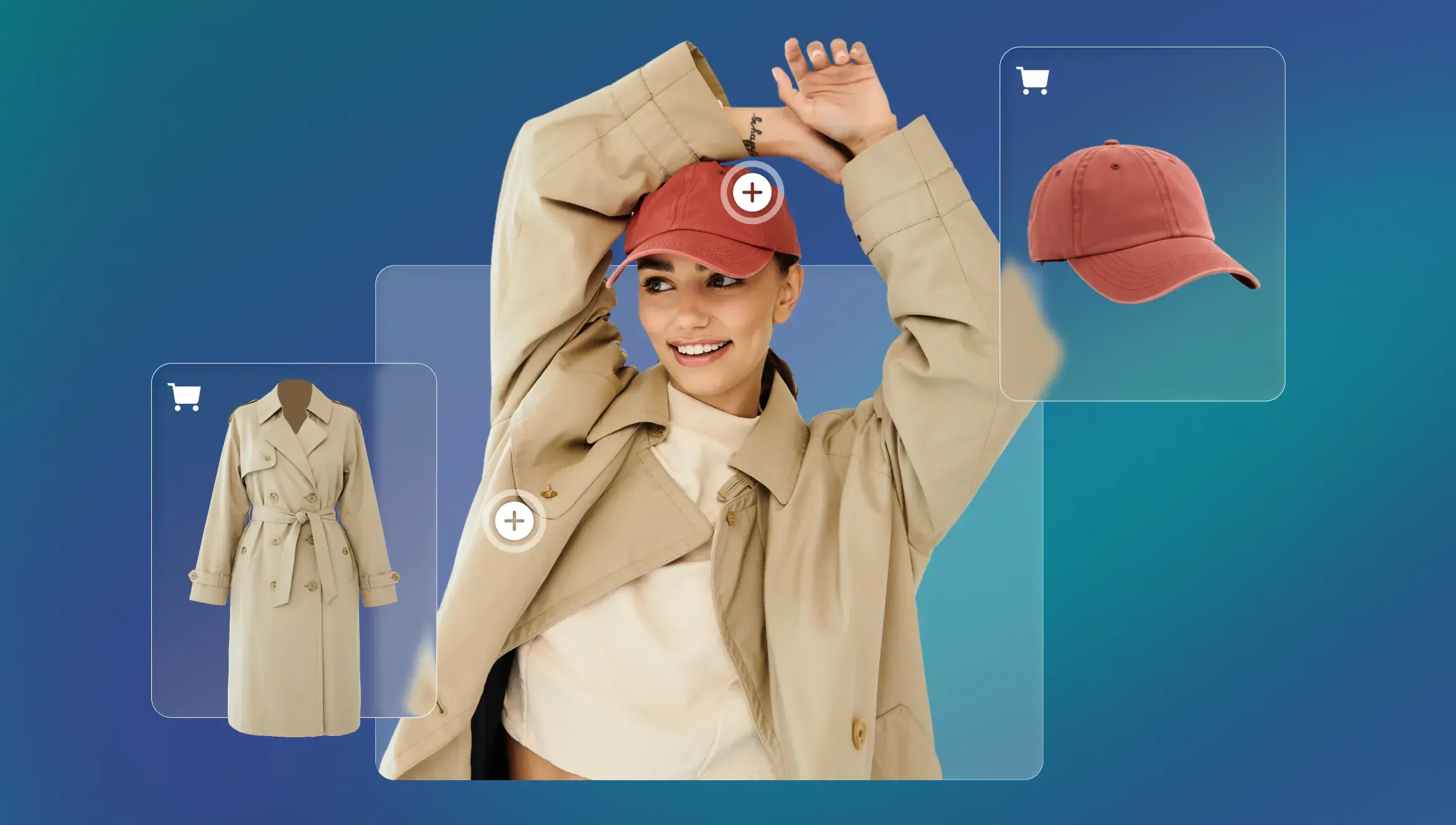
Visualization gets buyers interested, but it's the wholesale functionality underneath that closes the deal. Shoppable hotspots on images and lookbooks let buyers add items to an order draft without leaving the page. Real-time inventory checks prevent the frustration of ordering styles that are already allocated. Wholesale pricing tiers and minimum order quantities protect your margin. 

Brands can also tailor showrooms by account, region, or channel using an assortment planning tool—so a department store in Milan and a surf shop in Sydney each see a selection curated for their customer. That personalization creates natural cross-selling opportunities for complementary products. And with streamlined wholesale order management, the entire journey from discovery to confirmed order stays in one place.

ERP, CRM, and e-commerce integrationERP, CRM, and eCommerce integration

Once an order is placed, the data needs to flow—into your ERP for fulfillment, your CRM for relationship tracking, and your inventory system to maintain accurate stock levels. This integration layer separates a true digital showroom platform from a slideshow of product images. Without it, someone on your team still has to re-key orders manually, which introduces errors and slows everything down.

Most brands haven’t solved this yet. According to NuORDER’s 2026 State of B2B eCommerce Report, only 9% of wholesale brands have achieved fully integrated ERP systems. This is a major opportunity for brands to expand their lead by using a best-in-class B2B eCommerce platform that automatically, bidirectionally syncs orders across your tech stack, giving both your sales and operations teams a single source of truth.

Stat

Digital showroom vs. physical showroom: The key benefits

Physical showrooms still play a vital role during key market moments. But when you compare the two models side by side, the operational advantages of digital are hard to ignore.

Factor

Physical showroom

Digital showroom

Sample production

Manufacture and ship duplicate sample sets

Reduce physical samples by up to ~80%

Global reach

Limited by travel and showroom real estate

Open 24/7 to buyers anywhere in the world

Speed to market

Waits on physical prototypes

Real-time line updates go live instantly

Buyer insights

Intuition and paper notes

Tracks clicks, dwell time, and engagement per product

Sustainability

Heavy sampling, shipping, and travel

Fewer samples, less travel, lower carbon footprint


Global accessibility means buyers can explore and order from your line without booking a flight—a game-changer for brands expanding into global markets. Fewer physical samples, less shipping, and reduced travel mean a lower environmental footprint across your wholesale operation. Klean Kanteen, for instance, eliminated paper catalogs entirely through NuORDER's digital showroom, aligning their wholesale process with their sustainability mission while cutting order turnaround from a week to 72 hours.

And the data you collect—which products buyers spend time on, what they add to draft orders, what they skip—feeds directly into smarter assortment and merchandising decisions season after season.

How to create a more interactive, high-impact showroom experience

Having a digital showroom is now table stakes. Making it great is what drives growth. Here are five ways to elevate your online virtual showroom from functional to genuinely compelling:

1. Invest in hero-product media. Reserve your highest-quality assets—3D views, 360° spins, and video—for the products you most want buyers to notice. Not every SKU needs the full treatment, but your key styles absolutely do.

2. Make everything shoppable. Add product hotspots to lookbook images, campaign photography, and brand videos so buyers can go from “I love that” to “it's in my cart” without many extra steps. Reducing friction between inspiration and action is one of the fastest ways to increase order size.

3. Personalize by buyer, region, or channel. Use curated assortments to show each retailer a selection tailored to their store, their customer, and their market. A boutique in Tokyo and a department store in New York should not be looking at the same product grid.

4. Layer in brand storytelling. Heritage videos, designer interviews, campaign imagery, and runway footage help your showroom stand out from the competition's product catalog. Buyers repeatedly say that the story behind the line influences which brands they commit to.

5. Let the data guide your next season. Track what buyers engage with most and use those insights to refine what gets featured, what gets repositioned, and what gets retired. Over time, this feedback loop makes your showroom sharper and your sell-through stronger.

The future of wholesale: Hybrid showrooms and AR/VR

Far from a pandemic stopgap, digital showrooms have become a permanent fixture of modern wholesale. As Hammitt founder Tony Drockton has noted, brands that rely solely on trade shows to sell “are hurting the future of their business.”

The most innovative brands use in-person moments for relationship-building and tactile product evaluation, then extend the conversation digitally so buyers can revisit collections, place reorders, and explore new additions year-round. This hybrid approach gives brands the best of both worlds: personal connection and always-on reach.

On the technology front, AR and VR are beginning to add entirely new layers of interactivity—virtual showroom walkthroughs that let buyers “walk” a branded space, and augmented product try-on that brings fit and proportion to life on screen. These tools are still maturing, but they point toward a future where the gap between physical and digital shrinks even further.

Elevate your wholesale buying experience with NuORDER

Digital showrooms have become a competitive necessity, as retail buyers expect the ease and convenience of a D2C shopping experience. This technology also gives you the integrated ordering, real-time inventory, and buyer intelligence needed to sell smarter and grow faster.

Learn how NuORDER virtual showrooms elevate the buying experience to capture more sales and drive global growth.

Digital showroom FAQs

What's the difference between a digital showroom and an eCommerce store?

A digital showroom is designed for trade buyers. It features wholesale pricing, curated assortments, and minimum order quantities. An e-commerce store, by contrast, sells individual items directly to consumers at retail prices. The workflows, the pricing logic, and the user expectations are fundamentally different.

What are the benefits of a digital showroom for wholesale brands?

The most significant benefits include 24/7 global buyer access, substantial reductions in sample production and shipping costs, the ability to update your line in real time, and rich engagement data that shows exactly how buyers interact with your products. Together, these advantages help brands sell more efficiently and make better-informed merchandising decisions.

What features should you look for in a digital showroom?

Prioritize immersive visualization (3D, 360° views, video), integrated ordering with real-time inventory, wholesale pricing and curated assortments, and seamless ERP/CRM integration. The platform should also be easy for your team to update—a drag-and-drop page builder, for example—so you can refresh your showroom as quickly as your collections evolve.

How do you make a digital showroom more interactive?

Start with your media: add 3D and 360° product views and embed brand video to give buyers a richer sense of your collection. Layer in shoppable hotspots so every image becomes a point of purchase. Personalize what each buyer sees with curated assortments, and use engagement data to continuously refine the experience based on what's actually driving orders.

Share article

Inside this post

Get on the list

Wholesale tips and industry news you can’t miss, delivered weekly
Are you ready to transform your wholesale business?

See how NuORDER by Lightspeed can help you reach new heights.