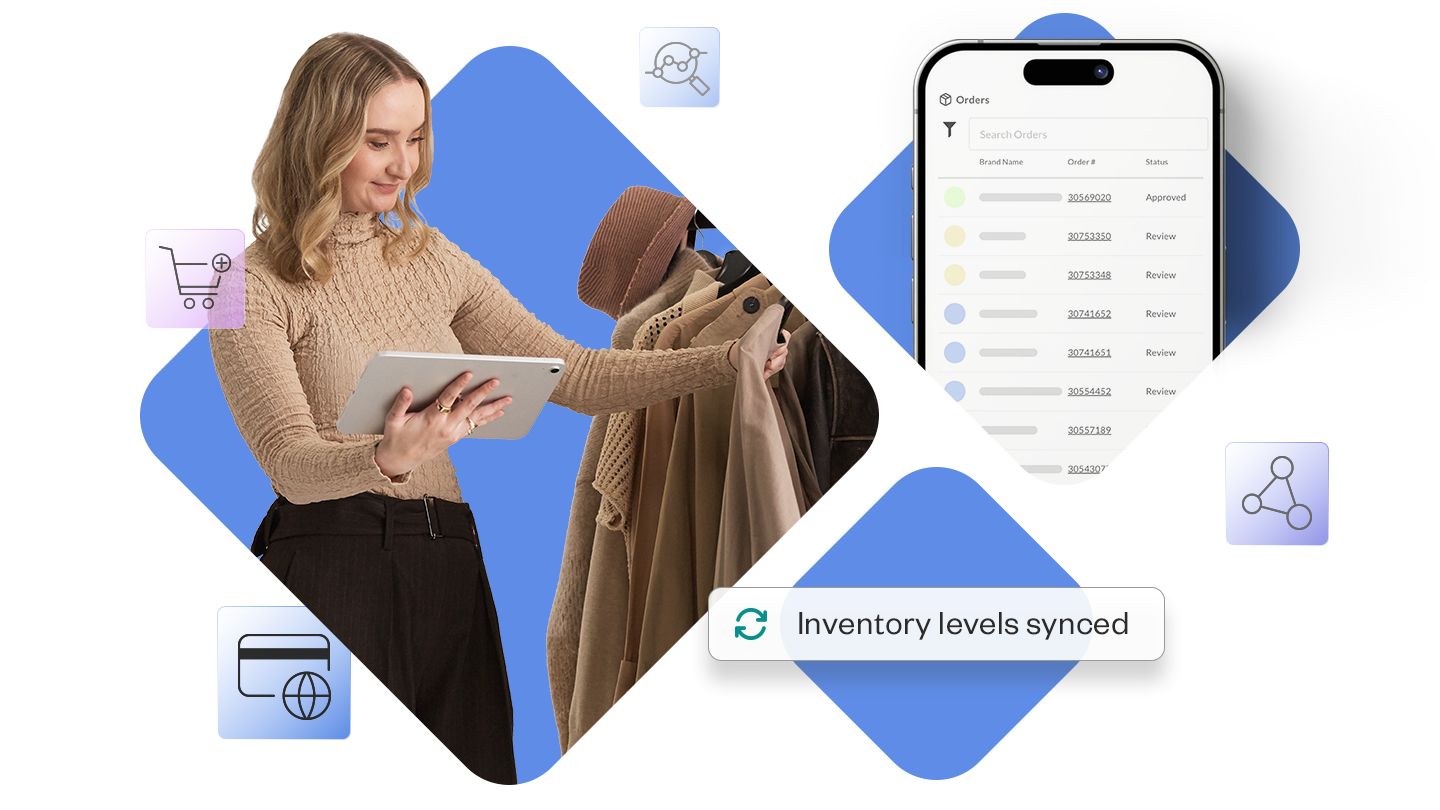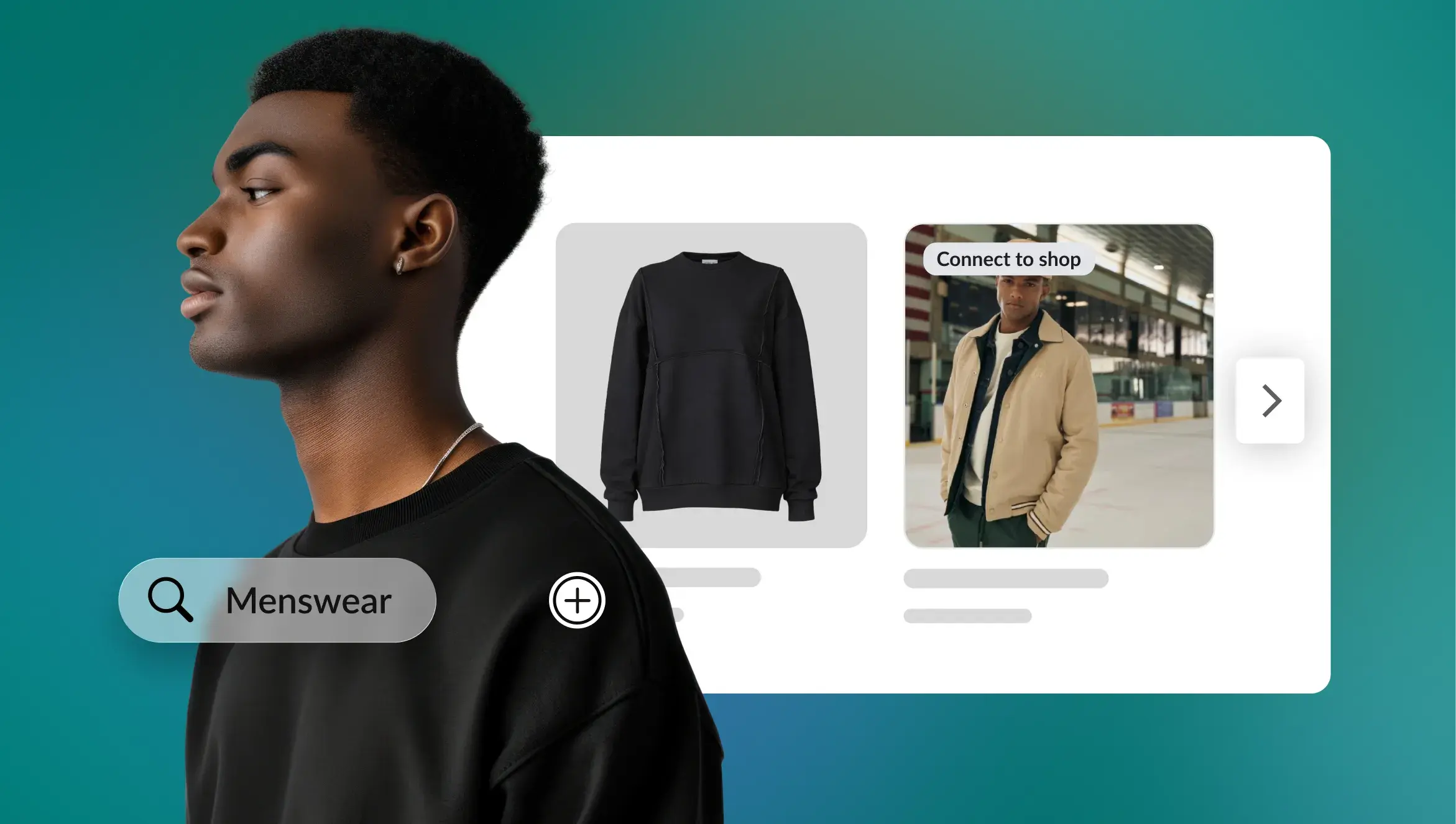
Compare the best B2B wholesale marketplaces and platforms, and learn how to choose the right one for your business.
As a wholesaler, selling directly to businesses on a digital platform can feel overwhelming, but the right B2B wholesale platform offers simplicity. You can use your B2B wholesale platform to create unique features for your clients, like digital showrooms to encourage wholesale purchases and drive more revenue.
As more buyers move their sourcing online, choosing the right B2B wholesale marketplace or platform has become one of the most consequential decisions a wholesaler can make, directly affecting reach, margins, and the buying experience you offer.
B2B wholesale marketplaces like Amazon Business, Alibaba, Faire, Tundra, and Ankorstore offer built-in discovery and lower upfront cost, but less control over pricing, branding, and buyer relationships.
The right choice often isn't one or the other: many wholesalers use a marketplace to reach new buyers and a dedicated platform to manage and grow the relationships that matter most.
When evaluating any B2B wholesale platform, prioritize customization, scalability, integration capabilities, security, analytics, and support.
A B2B wholesale platform is a website or marketplace where you can sell products in bulk to other businesses that will ultimately sell those products to consumers. Although it can feel similar to a B2C retail experience, it still centers on core business-to-business dynamics.
When you use a B2B eCommerce platform, it creates a convenient and appealing buying experience, thanks to features including:
Custom branding
Custom linesheets
Multiple ways to accept preferred payment methods
Easy ordering
eCommerce platforms like Amazon Business, Alibaba, and X-Cart offer cost-effective options to quickly onboard and sell your wholesale goods. However, working with a pre-built platform limits your options, giving you little flexibility to attain the level of customization B2B buyers expect. The best options are eCommerce platforms designed specifically for wholesale. Here's a closer look at some of the best B2B wholesale marketplaces worth considering, and how they compare to a dedicated platform.
If you are still weighing marketplaces against a dedicated B2B wholesale platform, it helps to know the field. A handful of options come up again and again:
NuORDER — a B2B platform that combines a Marketplace of over 500,000 buyers with a fully customizable, branded wholesale portal, giving brands both discovery and control in one place.
Amazon Business — a large, general marketplace with wholesale pricing tiers, business-only deals, and purchasing controls built for procurement teams.
Alibaba — one of the biggest global B2B wholesale marketplaces, well suited to sourcing goods directly from manufacturers, especially overseas.
Faire — a wholesale marketplace built specifically for independent retailers and emerging brands, with net terms and easy discovery for smaller boutiques.
Tundra — a no-fee B2B wholesale marketplace focused on connecting independent retailers with brands across a wide range of categories.
Ankorstore — a European-founded B2B wholesale marketplace that connects independent retailers with brands, with an emphasis on curated, boutique-friendly assortments.
X-Cart — an eCommerce platform that can be configured for B2B wholesale selling, offering more customization than a pure marketplace listing.
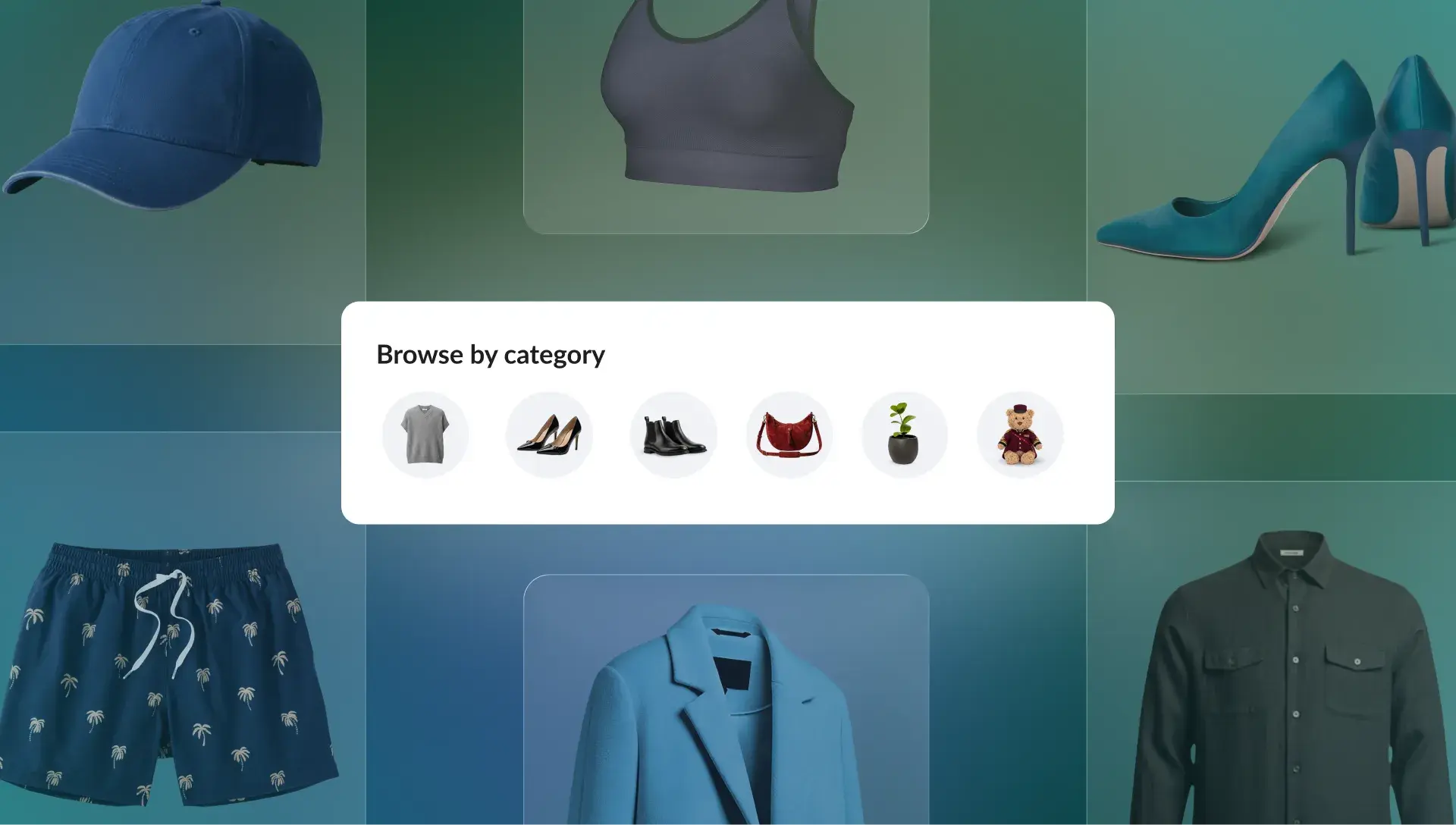
Each of these platforms takes a different approach to fees, curation, and control, so the best fit depends on whether you are prioritizing reach and discovery or a fully branded, direct relationship with your buyers.
It helps to understand the difference between a B2B wholesale marketplace and a dedicated B2B wholesale platform before you decide where to sell.
A B2B wholesale marketplace, like Amazon Business or Faire, brings together many brands and buyers in one shared space. The appeal is built-in discovery: buyers are already browsing the marketplace, so your products can be found without you having to drive all of the traffic yourself. The tradeoff is control. You are typically working within the marketplace's pricing rules, branding limitations, and fee structures, and you are one of many sellers competing for the same buyer's attention.
A dedicated B2B wholesale platform, by contrast, is built around your brand alone. You control the pricing, the branding, the catalog experience, and the relationship with every buyer who orders. This tends to matter most once you have an established buyer base and want to deepen those relationships with a premium, fully branded experience, rather than compete for visibility inside a shared marketplace.
Many wholesalers use both: a marketplace to reach new buyers and expand discovery, and a dedicated platform to manage and grow the relationships that matter most to their business long-term.
Before comparing specific providers, it helps to get clear on what a dedicated B2B wholesale platform can do for your business that a general marketplace listing cannot. While regular eCommerce platforms usually have a variety of customization options, a B2B platform built for wholesale has a few distinct advantages that make it a worthwhile investment.
A B2B wholesale platform streamlines the process of bulk ordering by allowing businesses to select and purchase products in large quantities efficiently. This eliminates the need for manual order processing or communication, saving time and effort for both buyers and sellers. Features such as bulk pricing options and quantity-based discounts further incentivize bulk purchases, encouraging larger order volumes and increasing revenue for sellers.
B2B wholesale transactions often involve high-value purchases, so security is a top priority. A dedicated B2B wholesale platform provides encryption, secure payment gateways, and compliance with industry standards, reducing the risk of fraud or data breaches.
One of the key advantages of a B2B wholesale platform is its ability to offer customized pricing structures tailored to wholesale buyers' needs. The platform can accommodate bulk discounts based on order quantities, volume commitments, or contract terms, allowing sellers to offer competitive pricing while maintaining profitability. Sellers can also adjust pricing dynamically to reflect market conditions, seasonal trends, or individual customer agreements, ensuring flexibility and responsiveness in pricing strategies.
B2B buyers expect a personalized and premium brand experience when conducting business transactions, and a B2B wholesale platform can deliver just that. Through customization options such as branded storefronts, personalized catalogs, and tailored communication channels, sellers can create a unique and engaging shopping experience for their wholesale customers.
A B2B wholesale platform offers a range of specialized features designed to meet wholesale buyers' needs and preferences. These features may include virtual showrooms where buyers can explore products in a digital environment, merchandising tools for organizing and presenting product assortments, and advanced data and reporting capabilities for tracking sales performance, analyzing buyer behavior, and gaining actionable insights. By providing these tailored features, the platform enhances the buying experience, improves operational efficiency, and empowers sellers to make informed business decisions.
Why bother setting up a dedicated B2B wholesale platform? Simple: bulk B2B wholesale purchases can account for the majority of your business. One order from a B2C buyer is great — but one order from a B2B buyer, especially one buying in bulk, can have a lasting impact on your revenue. And, B2B buyers — especially wholesale buyers, are often looking for different buying experiences than B2C customers, calling for specific information and capabilities.
A custom B2B wholesale platform will also improve your experience as a seller thanks to the following features:
Custom access for specific buyers
Client segmentation for enhanced personalization
Quote generation for dynamic pricing
Advanced, “quick order” features to help manage inventory
File attachments for additional product information
Sales analysis to help generate insights
When considering how to choose the right B2B wholesale platform for your business, prioritize features and functionalities that align with your specific needs and objectives. Explore different B2B eCommerce solutions, and consider the following key factors:
Look for a B2B wholesale platform that offers extensive customization options to tailor the platform to your brand identity and requirements. This includes features like custom branding, personalized catalogs, and flexible pricing structures that allow you to provide a unique and tailored experience for wholesale buyers.
Choose a platform that can scale with your business as it grows and evolves. Make sure it's a flexible platform so you can accommodate evolving business needs, such as increasing order volumes, expanding product offerings, or integrating with other systems and tools as you expand.
Consider the integration capabilities of your B2B wholesale platform. It needs to be able to seamlessly connect to other essential systems and tools you use in your business' operations. Look for platforms that offer seamless integration with ERP (enterprise resource planning) systems, CRM (customer relationship management) software, inventory management systems, and other third-party applications to streamline processes and improve efficiency.
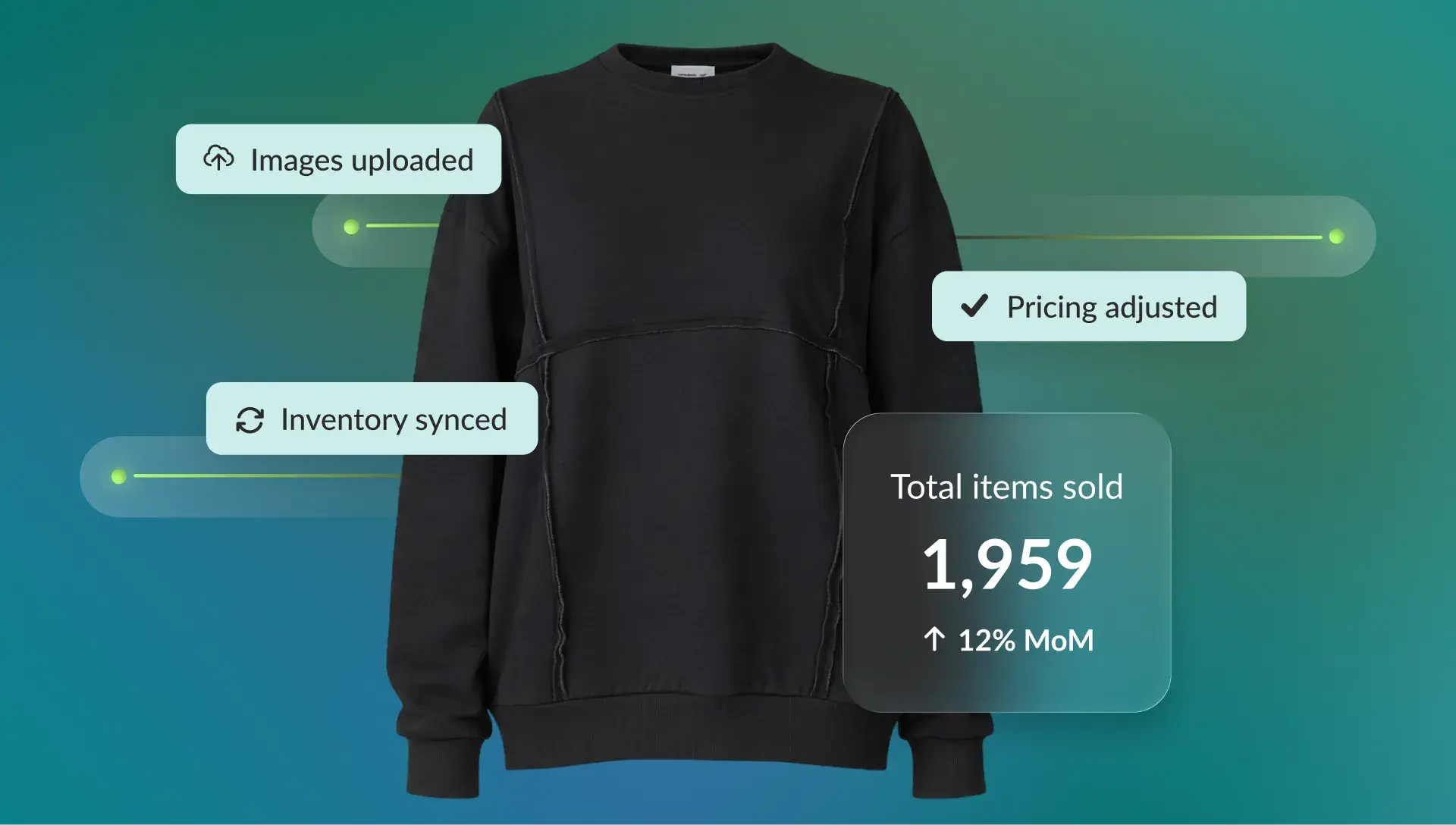
Prioritize security and compliance features when selecting a B2B wholesale platform to ensure the safety and protection of sensitive business data and transactions. Look for platforms that adhere to industry standards for data security, such as PCI DSS compliance for payment processing, and offer robust encryption protocols and secure authentication methods to safeguard against cybersecurity threats.
Look for a platform that provides advanced analytics and reporting capabilities to track sales performance, analyze buyer behavior, and derive actionable insights to inform business decisions. Look for features such as customizable reports, real-time analytics dashboards, and predictive analytics tools that enable you to gain valuable insights into your wholesale operations and identify areas for improvement.
Evaluate the level of support and training offered by the B2B wholesale platform provider to ensure you receive the necessary assistance and guidance throughout the implementation process and beyond. Look for providers that offer comprehensive support services, including dedicated account managers, online training resources, and responsive customer support channels to address any issues or concerns that could arise.
Match these factors to your specific goals, and the right platform will follow.
NuORDER makes it easier to sell wholesale. You can customize your entire buying experience to be more appealing to B2B shoppers, and NuORDER works with your brand to make that experience feel premium and tailored. You can create multi-channel sales experiences and take advantage of features like virtual showrooms. You can also collect data from prospective customers as they engage with your brand.
You can add a sophisticated array of features such as catalogs of inventory, customer profiles, and order tracking software—all within a single platform.
A B2B wholesale platform is designed for businesses to sell products in bulk to other businesses at wholesale prices, while a B2C retail platform caters to individual consumers purchasing products at retail prices. B2B platforms often offer features such as custom pricing, bulk ordering capabilities, and integration with procurement systems to streamline transactions between businesses, which are not typically found on B2C platforms.
A wide range of businesses can benefit from using a B2B wholesale platform, including manufacturers, distributors, wholesalers, and retailers. Any business that sells products in bulk quantities to other businesses can leverage a B2B wholesale platform to streamline procurement processes, expand their customer base, and increase sales revenue.
A B2B wholesale marketplace is an online platform where businesses can buy and sell products in great quantities to other businesses. These marketplaces bring together buyers and sellers from various industries, offering a wide range of products at wholesale prices. B2B wholesale marketplaces may offer such features as product catalogs, search functionality, and secure payment processing to make transactions faster and easier.
When choosing a platform for B2B wholesale, consider factors such as customization options, scalability, integration capabilities, security features, analytics and reporting tools, and support services. Evaluate platforms based on your specific business needs and objectives, and choose one that aligns with your needs for streamlining your operations, enhancing the buying experience, and driving growth.
A strong B2B wholesale platform should offer customizable pricing, bulk ordering, secure payment processing, and integration with tools like ERP and CRM systems. Look for analytics and reporting features, wholesale-specific tools like digital showrooms and linesheets, and enough customization to reflect your brand rather than a generic storefront.
Some of the best-known B2B wholesale marketplaces include NuORDER, which combines a Marketplace of over 500,000 buyers with a fully customizable brand portal, along with Amazon Business, Alibaba, Faire, Tundra, and Ankorstore, each with a different focus, from global sourcing to independent retailer discovery.
Wholesale tips and industry news you can’t miss, delivered weekly