B2B wholesale platform

How do buyers discover new brands digitally?

See how buyers discover new brands digitally—from AI search to B2B marketplaces—and how to get your brand found.

banner_image

Discover a better way to run your wholesale

Once upon a time, buyers discovered the vast majority of the brands they’d work with via market appointments at trade shows; but today’s reality of brand discovery is far more complex, since much of it happens online. 

So how do buyers discover new brands digitally? 

Buyers are also discovering brands via social media feeds, online marketplaces, AI search, and online queries powered by search engines. Within the last five years,85% of consumers have changed the ways in which they discover brands, and 72% will shop those brands within a month of discovery. So buyers are really discovering fresh brands to stock via the same discovery means as consumers. Read on to learn more about these popular digital discovery channels, to uncover where they merge, and to learn how you can gain greater visibility for your brand.

Key takeaways


  • AI search/generative search (including ChatGPT, Gemini, and Google AI Overviews) currently accounts for nearly 25% of all brand discovery

  • According to Clutch, Google Search accounts for nearly a quarter of consumer brand discovery; buyers use it to learn more about AI and social recommendations.

  • Social video on TikTok, Instagram, and YouTube offers a visual search engine, especially for younger buyers.

  • Clutch research demonstrates that reviews and social proof help convert discoveries into purchases for 42% of consumers; they can help inform merchants’ buying decisions too.

  • Merchants are increasingly discovering brands for their retail stores via B2B marketplaces and online trade shows.

What is digital brand discovery?

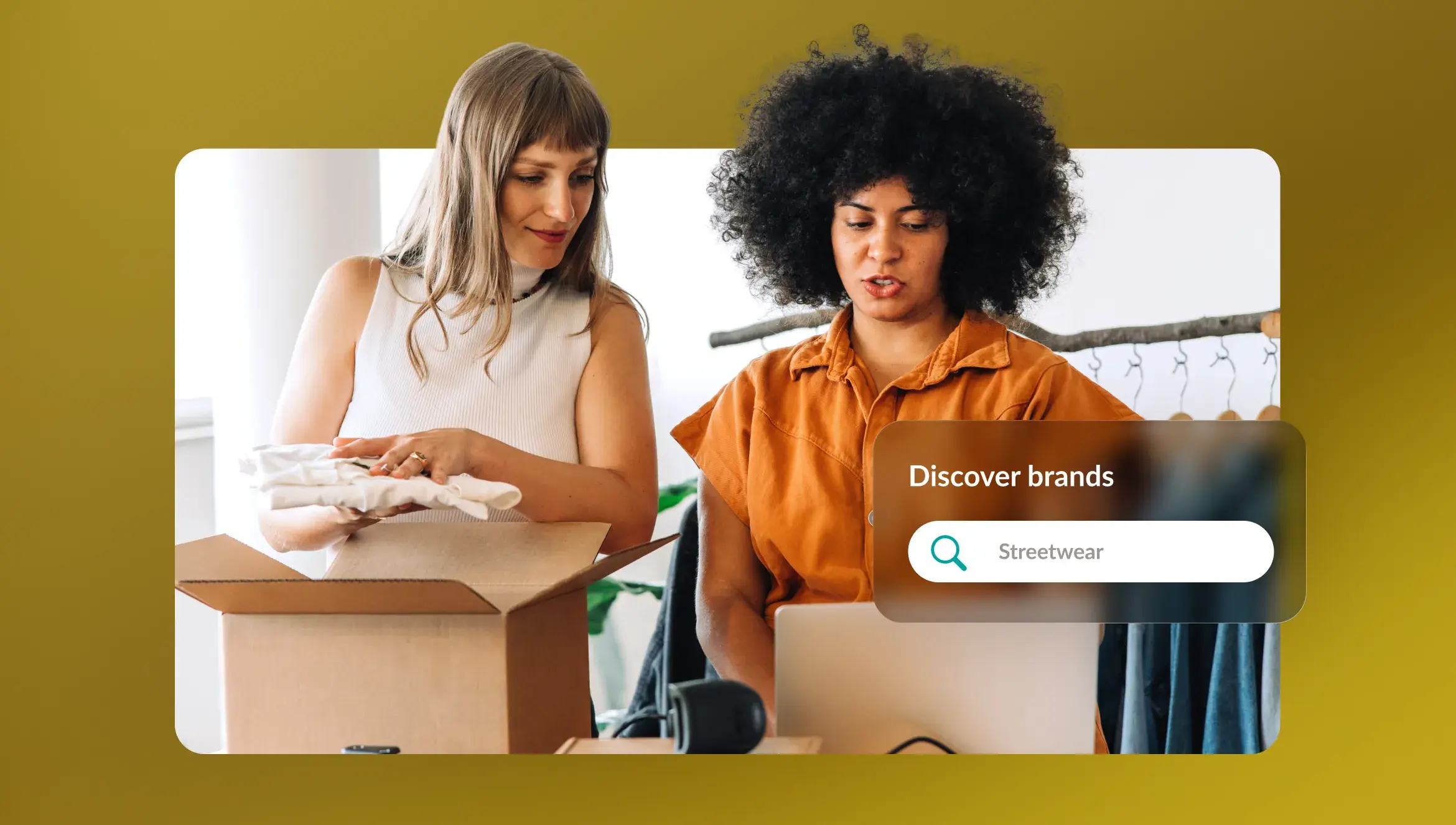
Digital brand discovery is the process of buyers first encountering brands via online channels, such as search engines, social media, marketplaces, ads, email campaigns, or AI tools. Sometimes referred to as branding discovery, digital brand discovery can happen in a passive way or from actively seeking brands. Passive discovery includes discovering a brand via an algorithm-driven feed, ads served to lookalike audiences, and even spotting brands in digital editorials such as Substack articles. When buyers actively seek to discover new brands online, they might browse an online B2B marketplace, prompt an AI search tool, or type keywords into a search engine.

Online B2B-1

8 ways buyers discover new brands online

Get to know the ways in which buyers are discovering brands online and what that means for your business.

1. AI and conversational search

AI and conversational search represent the greatest new changes to how buyers discover brands online. They’re asking ChatGPT, Claude, and Gemini contextual questions, such as “What brands make [fill in the blank] for [fill in the blank]?” As a result, buyers who use AI are often using lists of brands that have been pre-filtered by generative AI before they’ve ever visited a website. For context, more than 50% of consumers use these tools regularly or are experimenting with them. According to Clutch, 47% expect AI will be the greatest contributor to how their approach to discovery will change. Help your brand show up more frequently in AI and conversational results with effective generative engine optimization (GEO); develop structured, direct, and well-organized content to encourage AI model citations.

2. Search engines and SEO

According to Clutch, Google and other search engines still account for 43% of consumer brand searches online. It’s important to note that merchants also rely on search engines too. Even merchants who begin with an AI search will typically search for the brand via Google or another search engine after their AI search to ensure the AI-generated information is accurate and up to date. Since buyers still discover brands by using long-tail keywords in intent-driven queries, search engine optimization (SEO) is still an essential consideration for getting more visibility online.According to Clutch, Google and other search engines still account for 43% of consumer brand searches online. It’s important to note that merchants also rely on search engines too. Even merchants who begin with an AI search will typically search for the brand via Google or another search engine after their AI search to ensure the AI-generated information is accurate and up to date. Since buyers still discover brands by using long-tail keywords in intent-driven queries, search engine optimization (SEO) is still an essential consideration for getting more visibility online.

3. Social media feeds and short-form video

Clutch’s consumer brand discovery research revealed that 34% of consumers discover a new brand on social media every day, while 55% have purchased something because it was trending on social media. While consumer behavior, tastes, and preferences can vary widely from person to person, the majority of consumers gravitate towards the same social platforms as other people of their generation. Develop a presence on those platforms so that buyers can find you as they research brands for your target market. Some platforms and tools, including TikTok, Instagram Reels, and YouTube also act as visual search engines. If your brand is featured in unboxing videos, tutorials, styling videos, or other popular, engaging content, they can also greatly increase the odds that the right buyers will find your brand. 

4. Influencers and user-generated content

Nearly 40% of consumers trust recommendations from friends and family the most and 71% recommend the brands they discover online. Buyers also gravitate towards brand recommendations from trusted sources. Wholesale buyers trust content creators and influencers who show products in authentic, real-world contexts. They also gravitate towards user-generated content (UGC) and forums like Reddit—essentially digital word of mouth. If you work with content creators and influencers, it’s a great idea to work with people who are a natural fit and who already love your brand. To encourage more UGC, consider hosting giveaways and other incentives for shoppers who tag themselves wearing your brand on social media. Just make sure it’s authentic; trust is key.

5. Online marketplaces

Amazon, Etsy, and niche marketplaces also double as product search engines for consumers with their built-in recommendation engines that spotlight new and emerging brands. Once again, consumer and buyer discovery behavior have a lot in common online. A strong online B2B marketplace will attract several high-intent, professional buyers to one convenient place for discovery.

6. Digital advertising and paid media

Buyers can also discover brands when they’re exposed to various forms of advertising, including pay-per-click ads, display ads, retargeting, and sponsored placements. While investing in digital ads puts you in the driver’s seat, it’s important to be strategic about your advertising strategy and to only invest in channels that have already proven to be places where aligned buyers spend time.

7. Email and newsletter channels

Buyers can also discover brands via emails and newsletters. That can be via curated newsletters sent directly to their inboxes or dispatched via Substack, in-email or in-newsletter sponsorship opportunities, and even promotions within lead magnets. These channels also reap the benefits of word of mouth. Buyers can trust the sources of these recommendations. Subscribe to interesting, good-fit newsletters and explore ways your brand might be promoted—whether in a single edition or over time for repeat brand exposure and engagement.

8. Reviews and social proof

Trust is a major driver of converting brand discovery into sales. For consumers, the number one driver of sales is positive reviews, according to 42% of consumers, according to Clutch. Buyers also lean heavily on trust to confidently place sizable orders in the wholesale space. Secure legitimate, transparent ratings and reviews for your products and brand; the Large Language Models (LLM) that power AI recommendations also lean on them when suggesting brands.
Discovery is omnichannel: How the channels work together

It’s not possible to say how any one buyer will approach discovery. Buyers bounce back and forth between passive and active means of discovery, and they might even do that within the same session. For example, let’s say a buyer spots your brand on TikTok. They might ask ChatGPT for a list of alternatives or comparable competitors. Next, they could Google your brand and read reviews before placing a buy. If you’re visible in many places, there will be many opportunities for your brand to be discovered. This is true on the consumer side with nearly 70% of consumers discovering new products every week, and it’s true for merchants too. Rather than simply focusing on SEO for brand discovery, it’s time to focus on search everywhere optimization—taking measures to be discovered regularly across traditional online searches, social media feeds, digital marketplaces, and conversational AI search.

How retail buyers discover wholesale brands

It’s clear that retail buyers mirror consumer behavior. They research online before ever meeting with a rep, and they expect to have the same search-browse-compare experience they enjoy when they’re shopping as consumers. Buyers are increasingly discovering brands via online trade shows, digital showrooms, and B2B marketplaces, digital places for discovery that are all available on NuORDER. Merchants can browse by category, similar brands, and relevant tags to enjoy streamlined, strategic brand discovery and a better wholesale buying process. NuORDER also makes it practical and simple for wholesale fashion buyers to digitally scout seasonal assortments between market weeks. And once a buyer discovers a new brand to procure, they can access their complete product data, real-time availability, and terms 24/7 to start placing orders. They can even access point-of-sale financing options, if they so desire.

POS


How brands can make themselves easier to discover

Structure your content for AI and snippets by crafting concise definitions, question-based headings, and direct answers.

Set up systems to capture reviews and other social proof to convert discovery and to encourage recommendations by AI.

Enhance your global eCommerce efforts by catering to clients in every market you serve witheCommerce localization (localizing your product content for international buyers). 

Prime your operations for discovery with clean, centralized product data so every channel in your wholesale distribution software shows accurate information. 

Get your brand in front of more buyers with NuORDER

Consumer brand discovery behavior now spans digital channels including search engines, social media, AI, and marketplaces. And wholesale buyers are finding new wholesale brands to work with in similar ways; and the highest-intent discovery happens wherever merchants already spend their time. NuORDER is one such place combining a robust B2B marketplace with a digital B2B platform that improves the buying process for thousands of active retail buyers.

FAQS

How do people discover new brands?

People use search engines, social media, AI and conversational search, and marketplaces to discover new brands online. The top channels are social media and word of mouth, while traditional online searches like Google and AI searches account for about a quarter of discovery, respectively.

How does Gen Z discover brands?

Gen Z largely uses TikTok, Instagram, and YouTube as search engines. They value creator recommendations over ads, and they’ve experimented with AI-assisted discovery far more than any other generation to date.

How do you engage customers digitally?

Be present across the digital channels where discovery happens, respond to reviews, and use email to turn initial discoveries into ongoing relationships. It’s really about being where buyers spend time online and staying engaged.

What is retail brand discovery?

Retail brand discovery is the process of buyers finding new wholesale brands to stock in their retail stores. Once upon a time, buyers primarily attended in-person trade events to discover brands, but now they’re increasingly finding them online via B2B marketplaces, digital trade shows, and digital showrooms.

Share article

Inside this post

Get on the list

Wholesale tips and industry news you can’t miss, delivered weekly

Are you ready to transform your wholesale business?

See how NuORDER by Lightspeed can help you reach new heights.