A practical guide to cross-border B2B eCommerce
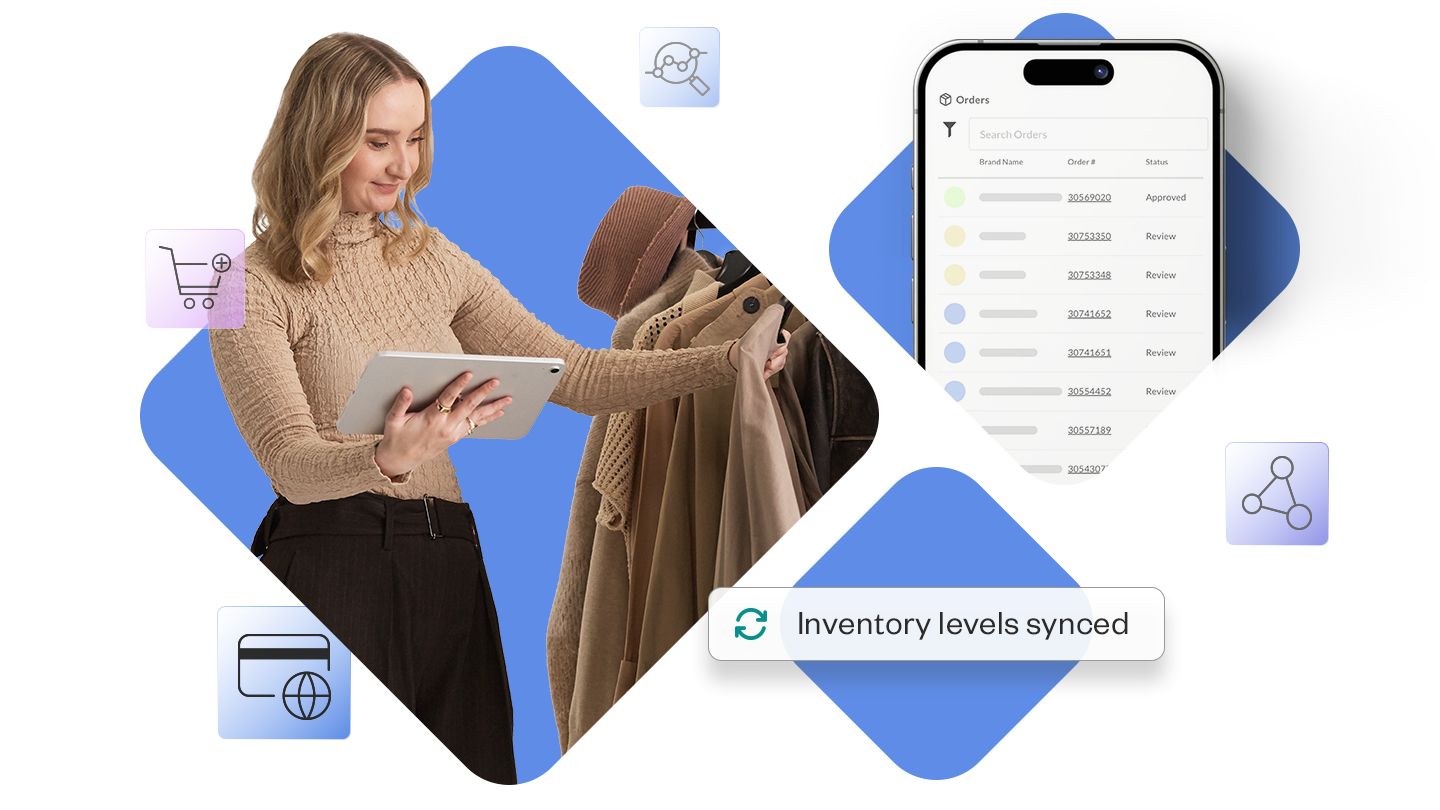
Cross-border B2B eCommerce with NuORDER helps brands manage international orders, payments, and global shipping.
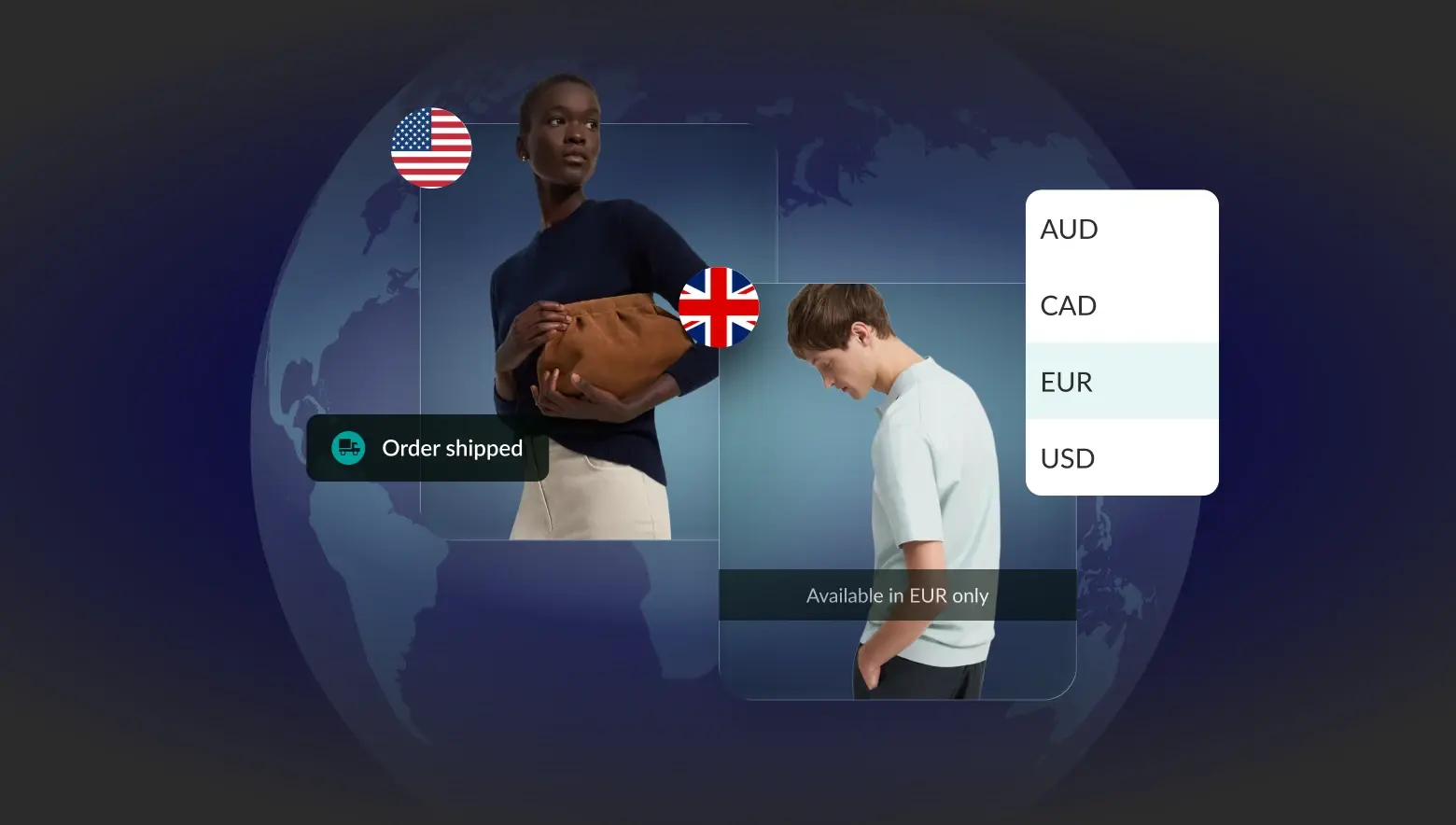
How does cross-border eCommerce work for B2B brands?
For B2B brands, growth rarely stops at national borders. A fashion label in Los Angeles may have buyers in London. A footwear brand in Italy may supply retailers in Canada. The demand is global, even if your headquarters is not.
Cross-border B2B eCommerce is what makes those relationships possible at scale.
Instead of relying solely on distributors, agents, and long import chains, brands can sell directly to international business buyers through digital platforms. Orders are placed online, pricing is customized by account, currencies are handled automatically, and shipping and compliance are built into the process.
But how does it actually work behind the scenes? And what makes cross-border B2B different from traditional export models?
Let’s break it down.
Key takeaways
-
Cross-border B2B eCommerce allows brands to sell directly to international buyers while managing pricing, payments, and shipping digitally
- Localized storefronts, multi-currency payments, and integrated logistics help brands reach new markets efficiently.
- Careful attention to compliance, taxes, and buyer experience is essential for successful global B2B operations.
What cross-border B2B eCommerce really means
At its core, cross-border B2B eCommerce is the sale of goods or services between businesses located in different countries through an online platform.
It replaces or reduces manual workflows such as emailed order forms, spreadsheet pricing lists, and disconnected payment systems. Instead, brands use a centralized digital platform to manage product catalogs, buyer-specific pricing, order approvals, payments, and fulfillment.
Unlike B2C cross-border eCommerce, B2B transactions tend to involve:
-
Larger order volumes
-
Negotiated pricing or tiered pricing
-
Net payment terms
-
Credit checks
-
Account-based access
-
Reorder workflows
Because of that complexity, cross-border B2B requires more than just a standard online storefront. It requires infrastructure designed for wholesale.
The digital layer: Localized storefronts and account-based pricing
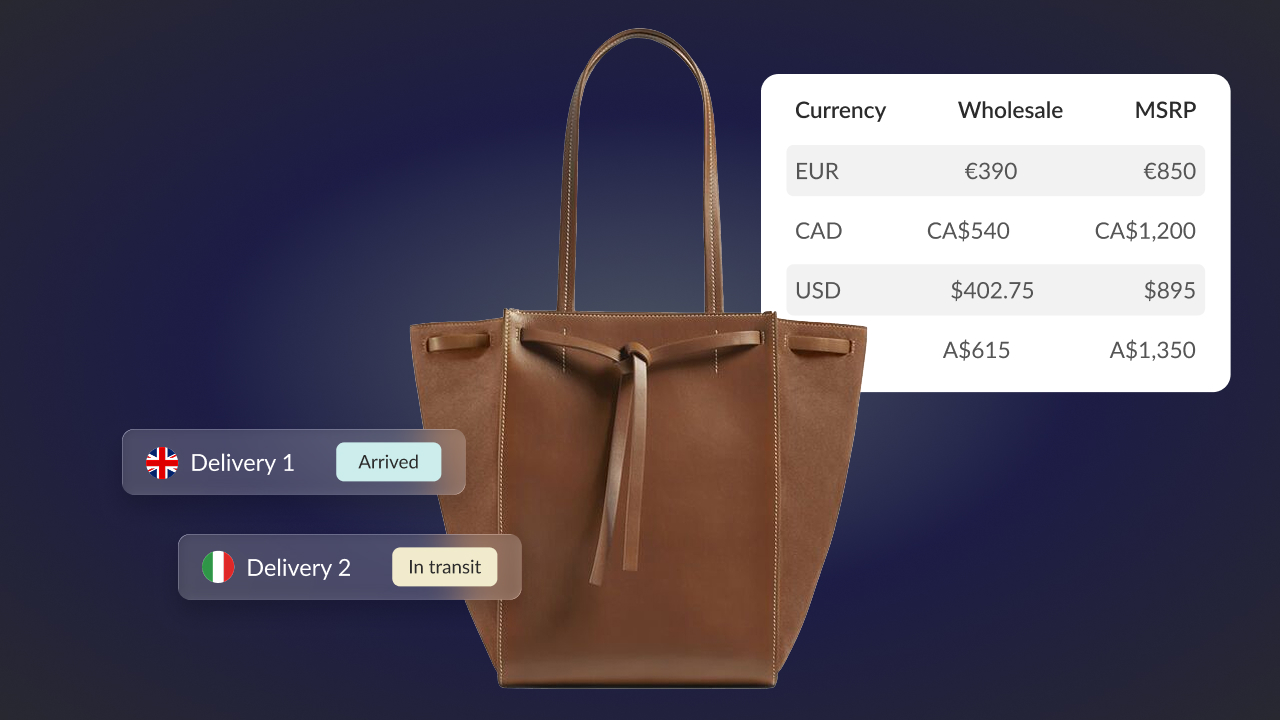
The first layer of cross-border B2B eCommerce is the digital experience. Brands typically use a dedicated B2B eCommerce platform that allows them to display products in multiple currencies, offer region-specific assortments, localize language and content, adjust pricing by market or account, and control who sees what through buyer logins.
This is where cross-border sales begin. A buyer in Germany logs into a brand’s B2B portal. They see pricing in euros, product availability for their region, and terms specific to their account. The brand does not need a physical office in Germany to support that transaction. The eCommerce platform acts as the digital bridge.
For many brands, this direct-to-buyer model shortens the supply chain. Instead of going through multiple intermediaries, international retailers and distributors can place orders directly with the brand.
That visibility also benefits the seller. Brands gain insight into purchasing behavior across regions, seasonal demand shifts, and product performance by market.
Payments and currency management
Payments are often one of the most complicated parts of cross-border B2B.
Unlike consumer eCommerce, wholesale transactions frequently involve net terms such as Net 30 or Net 60. Buyers may expect invoicing instead of immediate credit card payments. Orders may be large enough that exchange rate fluctuations become a real financial risk.
A strong cross-border B2B setup typically includes:
-
Multi-currency pricing
-
Exchange rate management
-
Support for local payment methods
-
Credit approval workflows
-
Automated invoicing
Some systems allow exchange rates to be locked at the time of order placement, which helps reduce uncertainty for both parties. Without integrated payment infrastructure, brands often fall back on manual wire transfers and disconnected accounting systems. That creates delays, reconciliation challenges, and increased risk.
In cross-border B2B eCommerce, the goal is clarity. Buyers understand what they owe. Sellers understand when they will be paid.
Logistics and fulfillment across borders
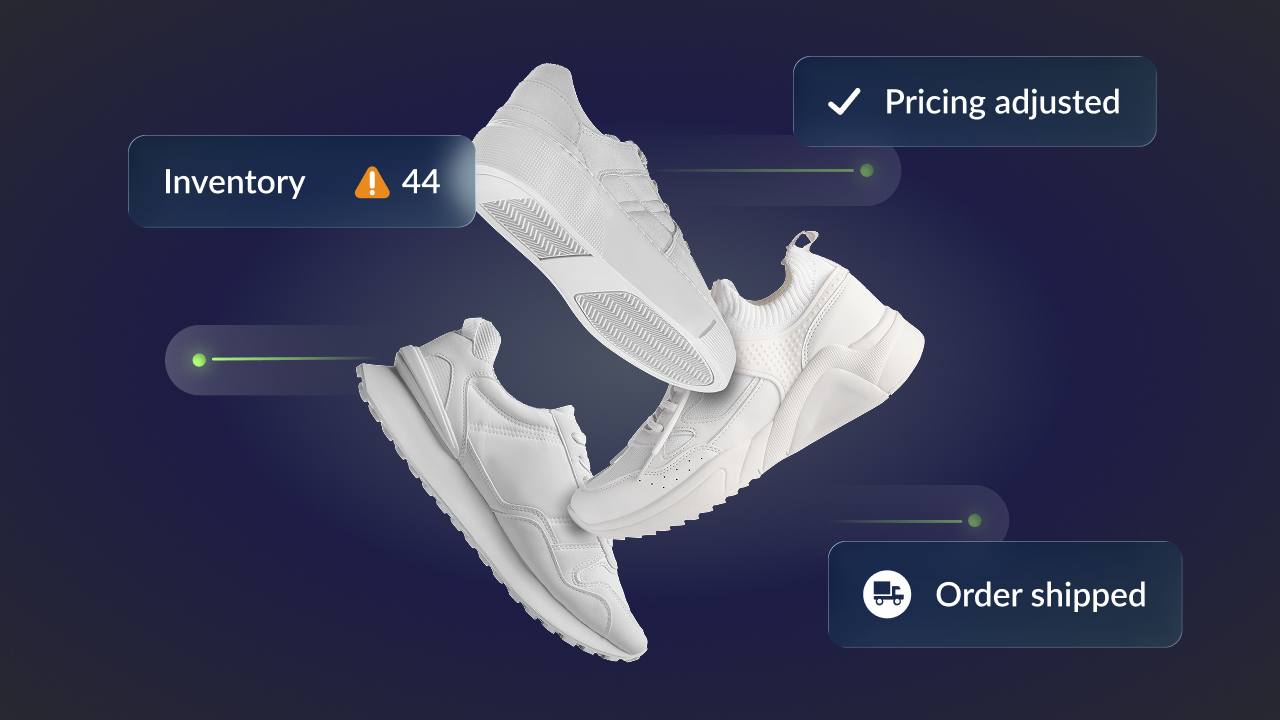
Once an order is placed, fulfillment begins. Cross-border logistics typically relies on third-party logistics providers, or 3PLs, to handle warehousing, picking and packing, freight coordination, customs documentation, and final delivery. Brands may ship directly from a domestic warehouse, use regional distribution centers, or work with freight forwarders for bulk shipments.
Customs clearance is a critical step. Each country has its own tariffs, duties, and tax requirements such as VAT or GST, and brands must clearly define who is responsible for those costs. Many eCommerce systems now calculate total landed cost at checkout, giving buyers visibility into duties and taxes before confirming the order.
Although international logistics are complex, digital coordination makes it far more predictable than traditional manual processes.
Compliance, tax, and regulatory considerations
Selling internationally is not just about shipping products. It also involves navigating regulatory requirements. Brands must consider:
-
Import and export restrictions
-
Product safety standards
-
Labeling requirements
-
VAT or GST registration
-
Data privacy laws such as GDPR
Cross-border B2B eCommerce platforms often integrate with tax engines and compliance tools to automate parts of this process That reduces the risk of miscalculated taxes or incomplete documentation. However, technology does not eliminate responsibility. Brands still need clear policies and professional guidance to operate across jurisdictions. The benefit of eCommerce is visibility. Every transaction is recorded digitally, making audits and reporting easier to manage.
Why B2B brands expand globally
For many wholesale brands, cross-border eCommerce is about strategic growth.
First, it opens access to new markets without requiring immediate physical expansion. A brand can test demand in a region digitally before investing in offices or local teams.
Second, it diversifies revenue. If one market slows due to economic conditions, another region may offset that decline.
Third, it increases operational efficiency. Automated order processing, invoicing, and inventory updates reduce manual tasks and human error.
Fourth, it strengthens buyer relationships. Retailers appreciate the ability to place orders online, review past purchases, and manage their accounts in one place.
The result is not just international reach, but better control over the wholesale channel.
Common obstacles in global B2B selling
Despite the advantages, cross-border B2B is not simple. Localization can be underestimated; it’s not just a translation. It includes adapting payment expectations, business norms, date formats, and customer support processes. Currency volatility can impact margins if not managed carefully. International returns are expensive and complicated. Clear return policies and possibly regional return hubs are important. Technology fragmentation is another issue. Brands sometimes patch together separate systems for eCommerce, ERP, payments, and logistics. When those systems do not communicate well, errors multiply.
Finally, many brands underestimate change management. Moving wholesale buyers from email-based ordering to a digital portal requires training and communication. Cross-border eCommerce works best when it is treated as a strategic initiative rather than a side project.
How NuORDER supports cross-border B2B eCommerce
Cross-border B2B eCommerce works through the integration of digital storefronts, account-based pricing, international payment systems, logistics partnerships, and compliance tools. Each layer plays a role.
The digital platform manages the buying experience. Payment systems handle currency and terms. Logistics partners move goods across borders. Compliance tools support regulatory accuracy.
When these elements are connected, brands can sell directly to international business buyers with greater speed, visibility, and control. For wholesale brands looking to scale globally, the question is less about whether cross-border eCommerce works and more about whether their current systems are built to support it.
This is where purpose-built B2B platforms matter.
NuORDER brings together digital wholesale selling, account management, merchandising, and eCommerce functionality in a single environment designed specifically for brands and retailers. By centralizing product data, pricing, buyer access, and order workflows, it supports the kind of cross-border operations described above without forcing brands to stitch together disconnected tools.
If you are evaluating how to expand internationally through wholesale eCommerce, exploring how NuORDER approaches B2B eCommerce is a great next step.
Cross-border eCommerce for B2B FAQs
What is the 80-20 rule in eCommerce?
The 80-20 rule, also known as the Pareto principle, suggests that roughly 80 percent of revenue often comes from 20 percent of customers or products. In B2B eCommerce, this can mean that a small group of wholesale accounts drives the majority of sales. Identifying and supporting those key buyers with personalized pricing, curated assortments, and efficient ordering tools can significantly impact growth.
How does eCommerce work for B2B?
B2B eCommerce allows businesses to sell products or services to other businesses through an online platform. Buyers log into account-based portals, view negotiated pricing, place bulk orders, select payment terms, and track shipments. Behind the scenes, the system connects with inventory, payment processing, and logistics providers to manage the order lifecycle from placement to fulfillment.
What are common B2B eCommerce mistakes?
Common mistakes include underestimating localization needs, failing to support net payment terms, neglecting compliance requirements, and relying on disconnected systems. Another frequent issue is treating B2B like B2C, without accounting for account hierarchies, approvals, and negotiated pricing.
What are the 4 types of B2B?
The four common types of B2B are: manufacturer to wholesaler, wholesaler to retailer, manufacturer to retailer, service provider to business. Each type can benefit from ecommerce infrastructure, particularly when operating across borders.
Share article


Get on the list
Wholesale tips and industry news you can’t miss, delivered weekly