What does global eCommerce readiness look like?
Discover what global eCommerce readiness looks like and how businesses prepare to sell across international markets.

What is global eCommerce?
Global eCommerce is the selling of products or services—online—to customers in international markets beyond the borders of a company’s home country. Unlike domestic eCommerce, global eCommerce requires businesses to manage multiple currencies, tax structures, languages, cultural nuances, logistics networks, and regulations. When brands expand internationally, they can reach new customer segments, diversify their revenue streams, and scale their growth beyond local markets that might be saturated within their category or niche.
Global eCommerce strategies usually include localized websites, international marketing campaigns, and partnerships with regional logistics providers who are experts in their home territories and understand local regulations well. Businesses that go global successfully also invest in scalable infrastructure and the kind of deep customer insights that can support their long-term expansion.
NuORDER helps brands simplify both domestic and international wholesale by providing a modern B2B commerce platform that connects them with retailers, streamlines orders, and supports scalable global growth.
Key takeaways
-
The complexities of global eCommerce call for a different level of preparedness than focusing solely on domestic sales.
-
Global eCommerce success calls for the right localized customer experiences, international logistics and fulfillment, scalable digital infrastructure, and market intelligence and compliance.
-
Get familiar with common challenges and assess your global eCommerce readiness before you scale into international markets.
-
The right unified commerce platform can help you go global.
Why global eCommerce readiness matters for growing brands
Unlike domestic eCommerce, selling wholesale on the global stage opens the door to many, many, many more opportunities. However, it’s not just a matter of finding aligned retailers in international markets—you have to elevate your operations to successfully meet the complexities of global expansion. And scaling your operations for global sales will impact everything from technology and logistics to the customer experience.
Get ready to deliver consistent experiences—regardless of geography, currency, or language. Get the right infrastructure in place beforehand so you’ll be better equipped to handle cross-border traffic, payment processing, and regulatory compliance. When you’re truly prepared for global eCommerce, you can reduce a wide range of risks, including delayed shipments, inaccurate tax calculations, poor localization that can damage customer trust, and unnecessary fines and fees. What’s more, advance preparation is actually a serious competitive advantage when it comes to entering new markets.

Key elements of global eCommerce readiness
Localized customer experience
If you have a website with multi-language capabilities, shoppers can browse and purchase in the languages they prefer. And if you offer local currencies, your customers can access transparent pricing. It’s also a great idea to offer the most popular payment methods in their regions to boost checkout completion rates and trust. Finally, you can create localized content and product messaging to reflect cultural nuances and regional buying preferences.
International logistics and fulfillment
Make sure your cross-border shipping strategies account for delivery times, customs documentation, and import regulations. Automatically calculate duties and tax at checkout to remove the unnecessary burden on buyers. Be selective about your local partners. Seek international carriers that have great track records for reliability and that offer transparent, easy tracking. Finally, ensure your return policies can accommodate global customers in ways that make sense for their unique needs. Make it easy and provide clear instructions (preferably in their local language).
Scalable digital infrastructure
So what does scalability look like when it comes to your tech? Use an eCommerce platform that can support high traffic volumes and global transactions without issue. Use your platform to manage multiple stores. For example, you can create region-specific storefronts from a centralized backend to offer an easier and more enticing buying experience. On a similar note, headless or modular architectures can help you adapt to changing markets and technologies with greater ease. Finally, always stay compliant with international security standards; secure payment gateways are nonnegotiable.
Market intelligence and compliance
First, do some market research to figure out which international regions you’d like to expand to first. Next, make sure you have access to data-driven insights. They’ll help you gain a far better understanding of local demand, pricing strategies, and competitive landscapes. Get to know country-specific regulations to ensure you’ll stay compliant with data privacy and consumer protection laws. Configure your global eCommerce platform for regional tax structures.
Technology that supports global eCommerce expansion
To be an effective part of your tech stack, your eCommerce platform must support international functionality, such as currency conversion, language localization, and tax configuration. Platforms like enterprise eCommerce systems provide centralized management across multiple global storefronts so you can run your operations from a single hub.
The best eCommerce platforms also integrate seamlessly with your marketing tools for email, social media advertising, and analytics. It’s also a great idea to secure a great CRM and data platform that can give you a 360-degree view of your customer interactions across digital and physical channels. Finally, use automation tools to streamline order processing, inventory updates, and your customer service workflows.
Signs your business is ready for global eCommerce
Your platform supports multi-currency and multi-language experiences
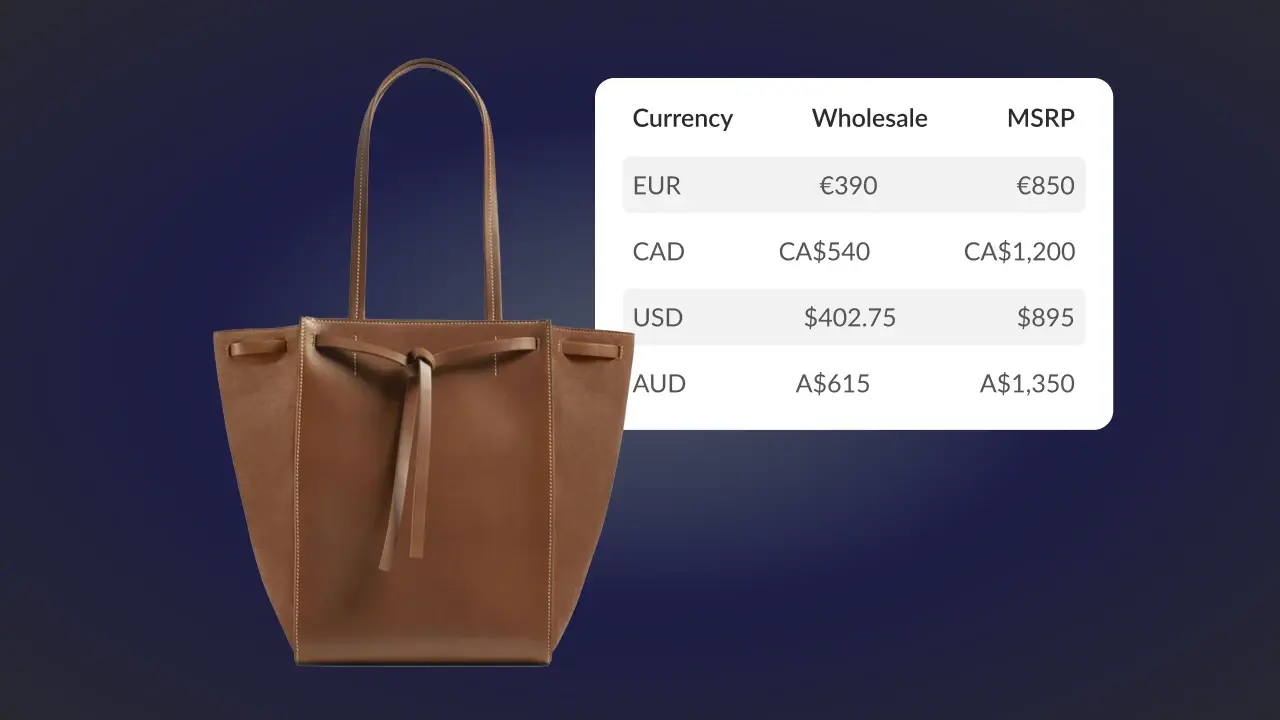
You’re in a great position to go global if your customers can shop and complete purchases with their local currencies and in the languages they prefer. Make sure your platform has the power to automatically adjust pricing and regional content based on buyers’ geographic locations.
Your logistics network supports cross-border fulfillment
As you get ready to go global, make sure your shipping providers can reliably deliver your products internationally and provide transparent tracking. Also be sure to integrate customs and tax documentation into your order management process.
Your data and analytics provide global insights
Before you go global, make sure you can analyze customer behavior across regions. They’re valuable insights that can help inform your marketing and inventory decisions.
You can also use analytics tools to discover high-performing international markets and potential opportunities for expansion.
Your commerce platform can scale internationally
Finally, you’re in a great place to grow on an international scale if you have infrastructure that supports high traffic volumes across multiple global storefronts. Make sure it also offers seamless integrations across your marketing, inventory, ERP, and customer service systems.
Common challenges in global eCommerce expansion
While global eCommerce presents a wide range of opportunities, it’s important to address common challenges before you start to expand. For instance, language barriers and poor localization can create friction for international customers. Complex tax rules and compliance needs can vary widely from country to country. High shipping costs and long delivery timelines can discourage buyers from finalizing their orders. You can face major operational and customer service challenges if you only have limited visibility into your international inventory and orders. Finally, if you have a fragmented tech stack, you won’t be able to share data across your platforms in a seamless, intuitive way.
How to assess your global eCommerce readiness
1. Evaluate your customer experience across markets
Assess whether your website can support localized content, currencies, and payment methods. Then identify gaps that might exist in your product information, translations, and checkout processes.
2. Review your operational infrastructure
Find out if your logistics providers can support reliable international delivery. But don’t just take their word for it—look for customer reviews and testimonials to get a clearer picture of their weaknesses and strengths. Next, evaluate whether your inventory systems are capable of tracking stock across warehouses and regions.
3. Analyze your technology stack
Make sure your eCommerce platform can integrate with your CRM, ERP, and marketing tools. And assess whether it can manage multiple web stores from a single backend.
4. Study market opportunities
Research demand, competition, and pricing structures in promising international markets. Be sure to prioritize regions where brand awareness or demand already exists to increase your odds for success.
The role of unified commerce platforms in global growth
Successful global eCommerce strategies rely on unified platforms that connect your sales channels, inventory systems, and customer data. These integrated commerce environments improve operational efficiency by reducing manual processes and disconnected systems—crucial elements for doing business at scale. And centralized data opens the door to real-time visibility into your inventory levels, orders, and customer interactions around the globe. You can also use the customer insights you collect across channels to personalize your international buying experiences which is a great way to deepen relationships with buyers and encourage larger or additional sales.
When you use modern commerce platforms that truly support your international operations, you simplify collaboration between you, retailers and other global partners. NuORDER enables faster, smarter, more collaborative commerce by connecting brands and retailers within a unified platform designed for scalable global operations.
Learn why NuORDER is one the world’s leading modern B2B eCommerce platforms.
Global eCommerce readiness FAQs
What does global eCommerce readiness mean?
Global eCommerce readiness is a business’ ability to successfully sell products across international markets. The most important considerations include localization support, international logistics, regulatory compliance, and scalable eCommerce technology.
What are the key components of global eCommerce readiness?
Localized customer experiences, cross-border logistics, scalable digital infrastructure, regulatory compliance, and data-driven market insights are key components of global eCommerce readiness.
How do businesses prepare for global eCommerce expansion?
Businesses get ready to go global by researching international markets, building localized storefronts, integrating payments and logistics systems, and ensuring their eCommerce tech can scale.
What technology supports global eCommerce?
Platforms that can support global eCommerce successfully typically offer such features as multi-currency checkout, multi-language content management, automated tax calculations, and integrations with marketing and CRM tools.
Share article


Related articles
Get on the list
Wholesale tips and industry news you can’t miss, delivered weekly