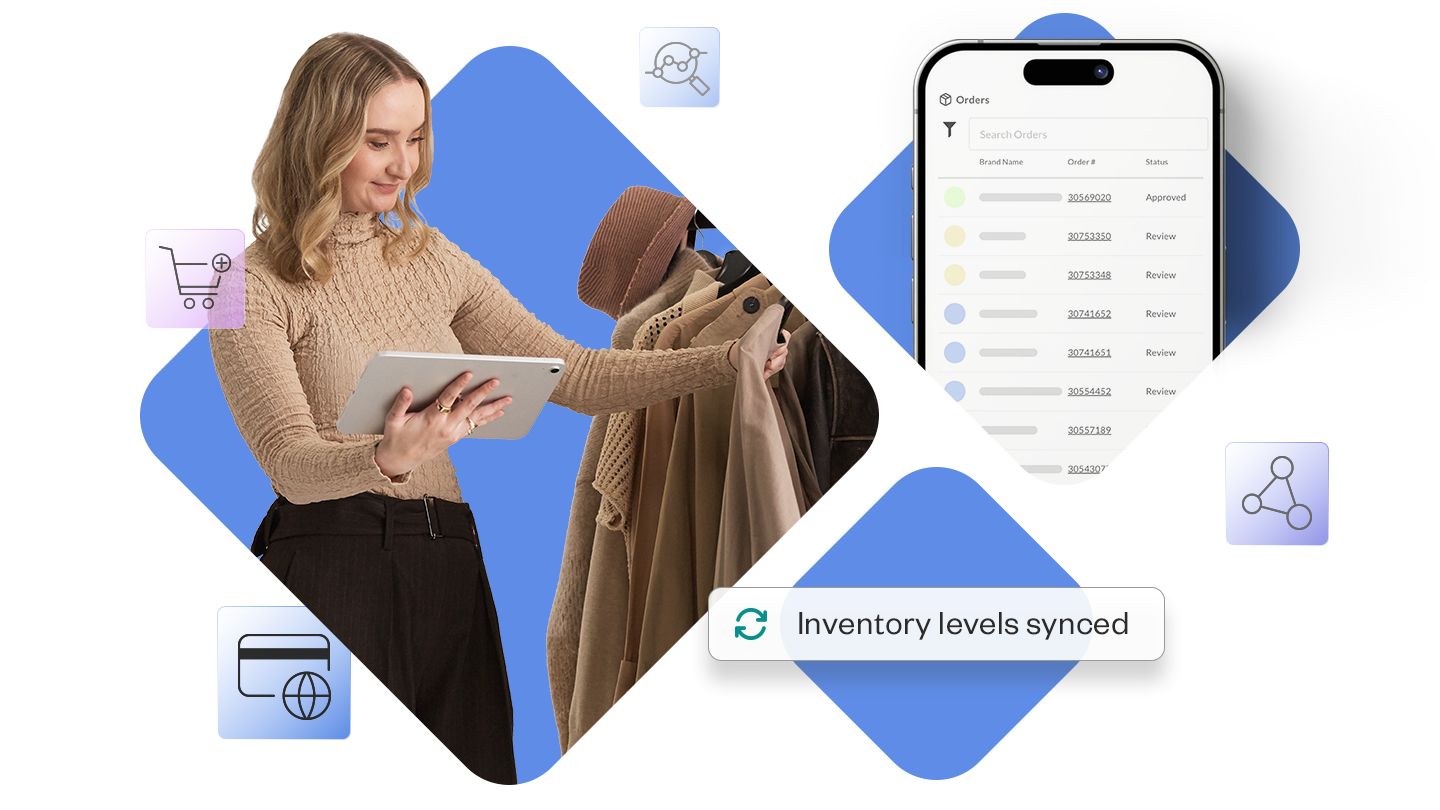
The idea of selling internationally might seem daunting but the right tools make all the difference. Of course, there are many different tools on the market with different options and capabilities for storefronts, marketplaces, marketplace management, B2B platforms, payments, and taxes and duties. Some are better primed for certain outcomes than others while others are specialty tools. Wondering where to start? Here’s a curated list of global eCommerce solutions that can actually help you sell successfully across borders.
The 9 best global eCommerce solutions and tools
Here’s an easy-to-skim breakdown of the top tools and what each excels in most:
1. Lightspeed—Best for hybrid POS and eCommerce
G2 rating: 4.4/5
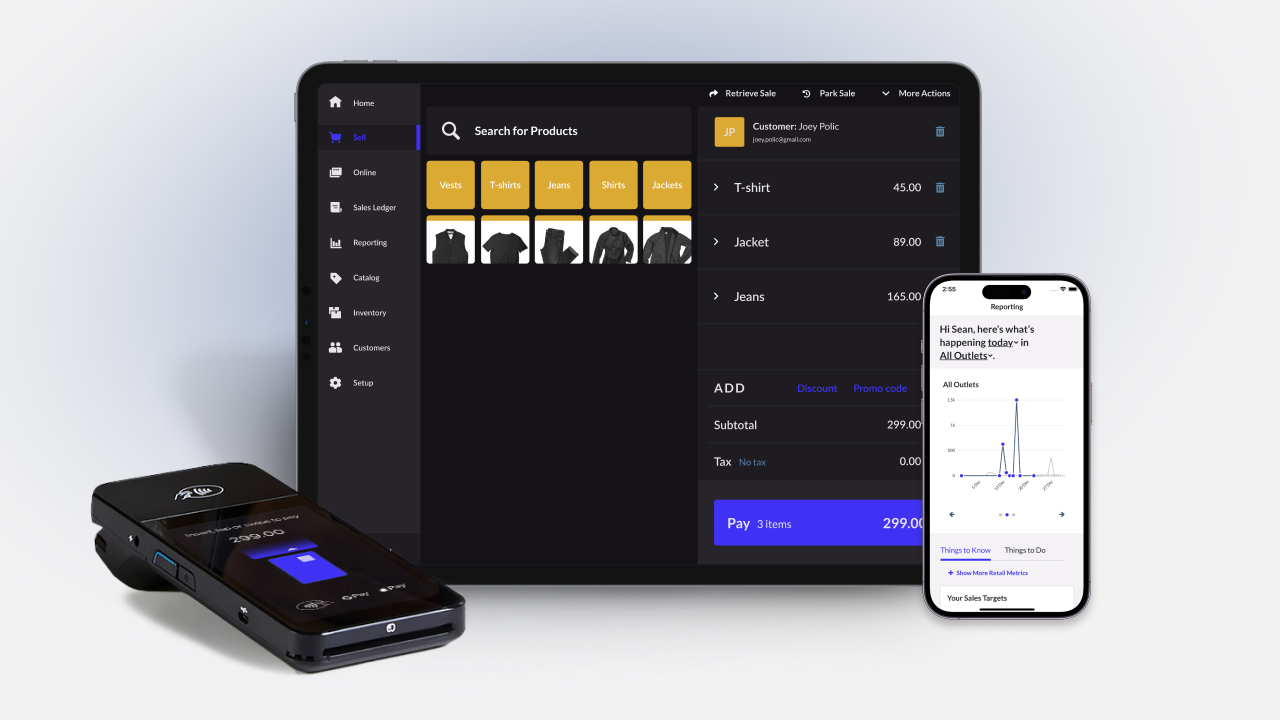
Lightspeed is a unified commerce platform that combines POS, eCommerce, payments, and inventory management so retailers and hospitality brands can run all of their operations from a single system. While Lightspeed is an excellent choice for many industries, the platform offers powerful, industry-specific tools for companies in retail, golf, and hospitality. The combination of a fast, intuitive platform and deep domain and industry expertise makes Lightspeed a powerful contender for doing business on the global stage.
Features we love:
- Omnichannel POS and eCommerce
- Centralized inventory and purchasing
- Powerful reporting and analytics
- Integrations that connect Lightspeed with tools across your tech stack.
Lightspeed is an ideal global eCommerce platform for multi-location retailers, restaurants, and hospitality businesses that need in-store, online, and back-office operations to perform reliably across regions. The platform also excels as a single hub to manage your inventory, sales, and insights around the globe, so there’s no need to stitch together separate POS and eCommerce tools.
2. Amazon—Best for marketplace-driven reach
G2 rating: 4.5/5
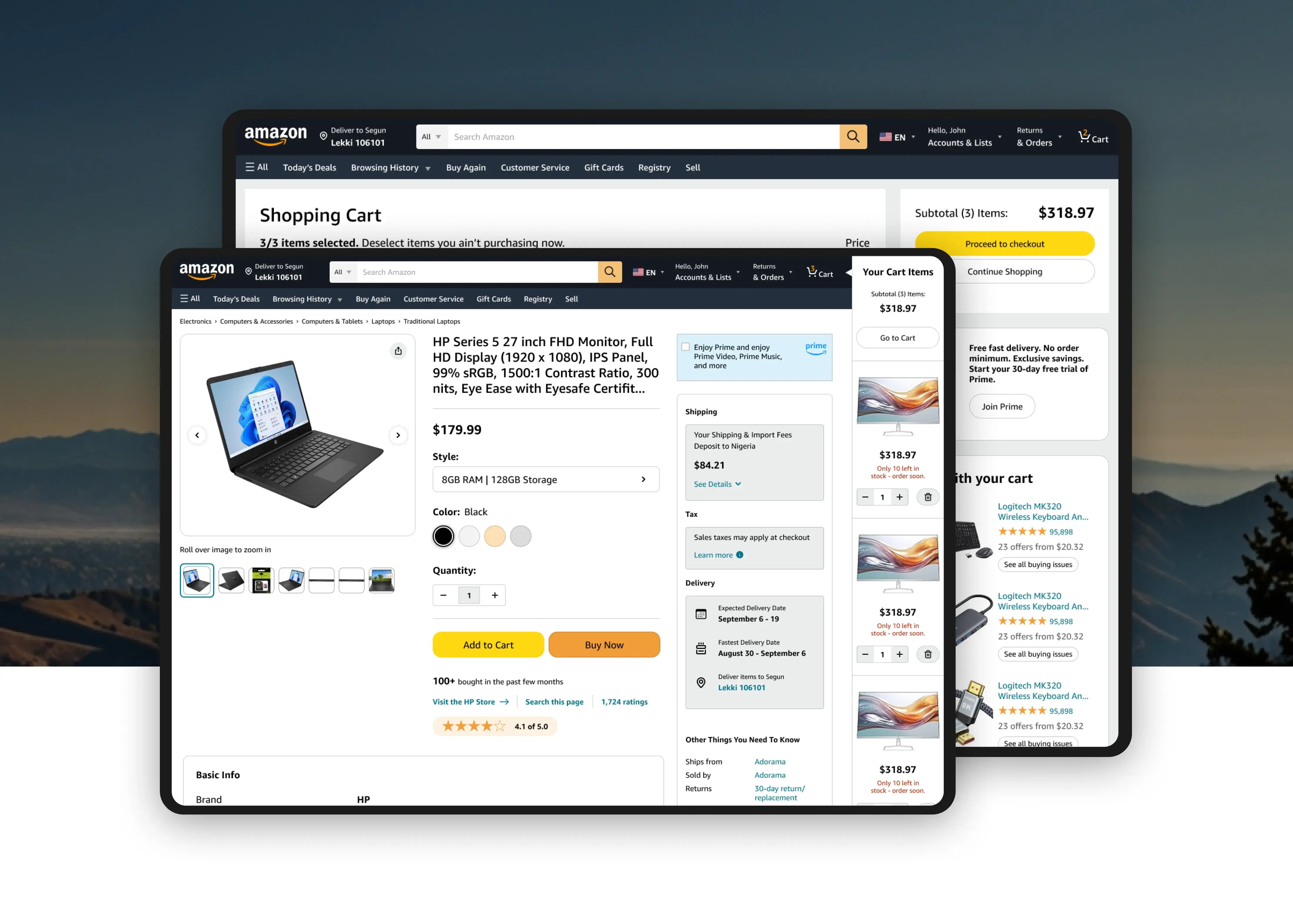
Amazon is the largest eCommerce marketplace in the world. It offers brands access to massive global demand and built-in buyer convenience and trust. The Amazon marketplace also makes it easy to list and sell products and prominently showcase reviews.
Features we love:
- Fulfillment by Amazon (FBA)
- Powerful product search and recommendations
- Localized country sites
- Robust advertising tools
Since it’s a marketplace, Amazon is best suited for brands that want to quickly expand their international reach by listing their products in a place where customers already search and buy. It’s particularly useful as a high-intent acquisition and consumer sales channel that complements, rather than replaces, your owned eCommerce or B2B platforms.
3. NuORDER—Best for global B2B eCommerce
G2: 4.2/5

NuORDER is a global B2B eCommerce and wholesale platform that connects brands and retailers. The platform’s robust features, including Virtual Showroom and Assortments, streamlines order workflows and make it easy to buy and sell from afar. NuORDER simplifies global sales with support for multiple currencies, multiple languages, custom pricing, and more.
Features we love:
- Digital catalogs and assortments
- Virtual Showrooms
- Retailer-specific pricing and assortments
- Strong ERP and inventory integrations
Brands that sell wholesale to retailers across multiple markets that need a modern way to present their lines, capture orders, and manage assortments globally should consider NuORDER. It’s especially powerful when you want to scale B2B buying and merchandising, reduce manual order entry, and give retail partners a premium, self-serve experience.
4. Adobe Commerce—Best for deep customization
G2: 4.0/5
Formerly known as Magento Commerce, Adobe Commerce is an enterprise platform designed for deeply customized, multi-site builds. The eCommerce platform is tailored to support highly customized, multi-site and multi-language implementations. Adobe Commerce is a cloud-native solution designed for scale.
Features we love:
- Highly extensible architecture
- Rich B2B modules
- Sophisticated catalog and pricing rules
- Robust support for multi-store, multi-region setups
Adobe Commerce is best for enterprises with complex needs, including full control over their storefronts, workflows, and integrations across many brands or regions. It’s a strong fit when you have development resources and you want a tailored commerce experience that goes beyond what most SaaS platforms offer out of the box.
5. Salesforce Agentforce Commerce—Best for CRM-driven enterprises
G2: 4.3/5
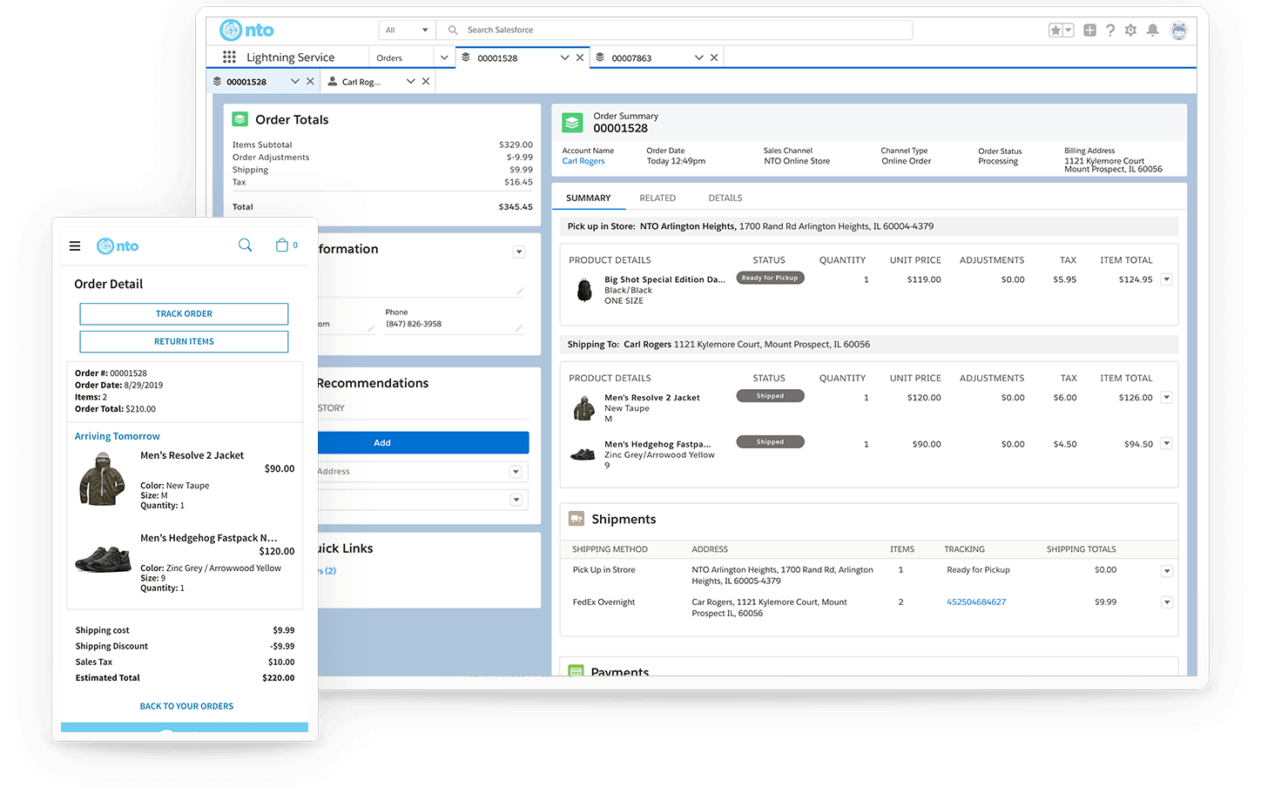
Salesforce Agentforce Commerce is an enterprise commerce cloud that plugs into the broader Salesforce ecosystem for unified customer data and experiences. The Agentforce component is AI that helps teams merchandise and helps customers shop. It’s designed for global scale.
Features we love:
- Native connections to Salesforce CRM and Marketing Cloud
- Strong merchandising and personalization tools
- Support for multi-site global commerce.
This platform is ideal for enterprises that have already invested in Salesforce that need commerce to be tightly aligned with their sales, service, and marketing data. Salesforce Agentforce Commerce is particularly valuable if you need end-to-end visibility into the customer lifecycle to orchestrate personalized journeys across channels and regions.
6. BigCommerce—Best for complex, multi-region sites
G2: 4.2/5
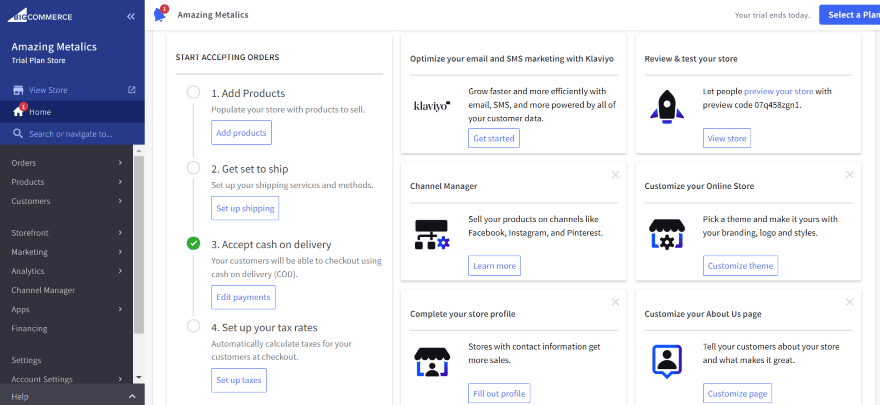
The SaaS eCommerce platform, BigCommerce, is known for strong APIs and a native multi-storefront designed to launch unique brands or to scale across different segments of customers or regions. With features like headless and omnichannel commerce, BigCommerce serves small businesses and enterprises alike. They also support brands with both B2C and B2B needs.
Features we love:
- Multi-storefront from a single backend
- Open API-first architecture
- Built-in cross-border tools
- B2B features like company accounts and price lists
BigCommerce is best for brands that need to run multiple regional or brand sites from a single platform that also want headless or composable options. It’s a solid choice if you want more flexibility than many out-of-the-box SaaS platforms, without the burden of a self-hosted enterprise solution.
7. Stripe—Best for international payments
G2: 4.3/5
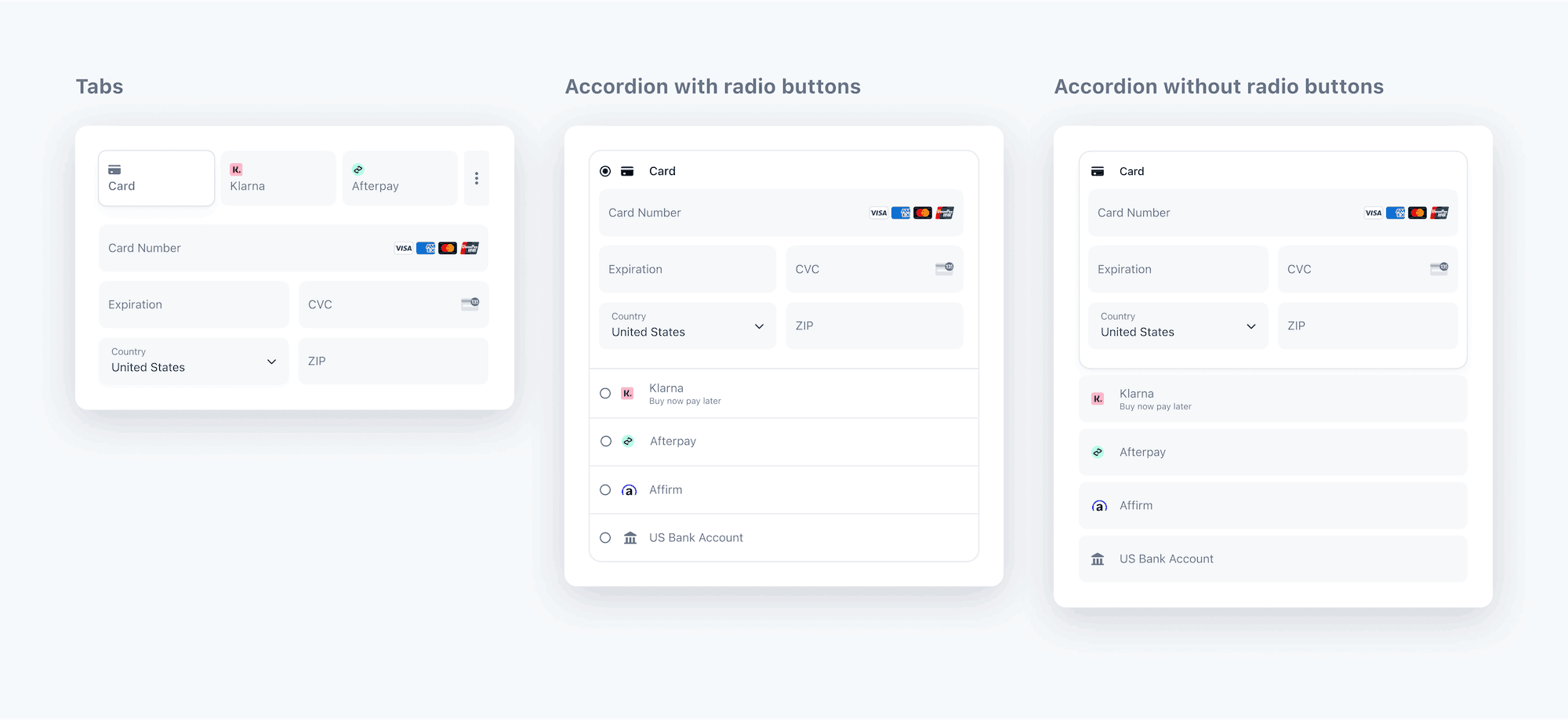
The global payments platform Stripe offers extensive international coverage. The integrated suite offers billing, subscriptions, payouts, and more. The company has teams and offices around the world to support global commerce.
Features we love:
- Support for many local payment methods
- Multi-currency processing
- Advanced fraud and risk tools
- Developer-friendly APIs and documentation
Brands that want to sell into multiple countries that also want a single payments layer can consider Stripe. The platform can handle different currencies and payment methods, and it has a flexible, API-first payments infrastructure that can plug into different storefronts, marketplaces, and B2B portals.
8. Zonos—Best for duties and taxes
G2: 4.8/5
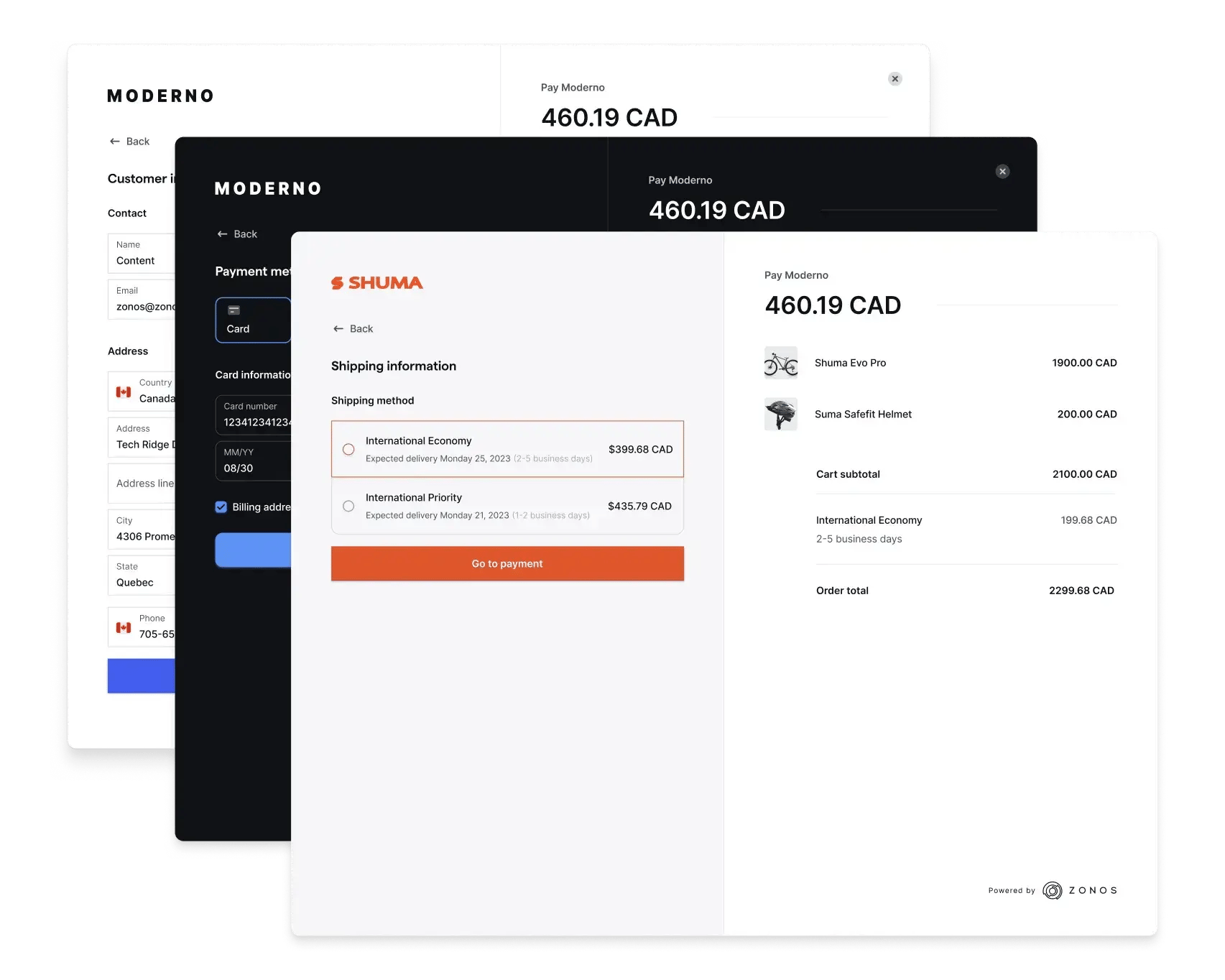
Zonos is a cross-border technology provider focused on landed-cost calculations, duties and taxes, and compliant international checkout experiences. The platform tackles some of the most complex considerations of global eCommerce to reduce guesswork, friction, and costs. Zonos helps brands improve the buying experience for international buyers.
Features we love:
- Landed-cost engine
- HS code and duty estimation
- Tax and fee calculation
- Integrations that surface true costs at checkout
This platform best serves brands that ship internationally and want to eliminate surprise duties and fees. It’s most notable when you need to increase cross-border conversion and stay compliant with evolving tax and import rules without building that logic yourself.
9. ChannelEngine—Best for marketplace orchestration
G2: 4.3/5
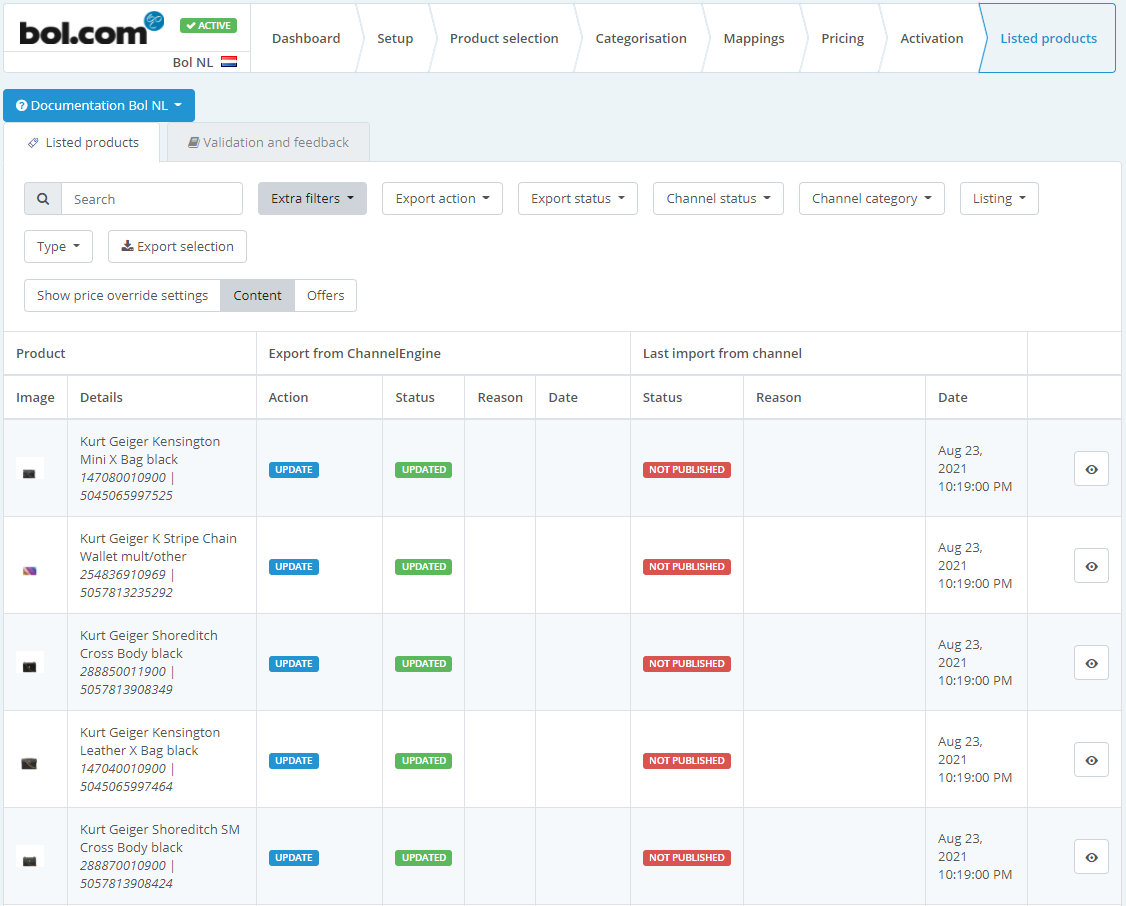
ChannelEngine is a marketplace management platform designed for greater reach and plenty of visibility. The platform connects your eCommerce stack to dozens of marketplaces from a single hub. Many of those marketplaces are international, helping brands scale.
Features we love:
- Central product feed management
- Automated listing and repricing
- Unified order routing
- Wide marketplace coverage
This platform is well-suited for brands and retailers that want to sell on many marketplaces without building individual, one-off integrations. ChannelEngine is especially helpful when you need to scale your marketplace presence across regions while keeping product data, pricing, and order management in one place.
There are many effective global eCommerce solutions on the market. The best tool(s) for your brand comes down to your unique needs, the capabilities of your team, and the markets you intend to serve. Do your due diligence to determine the right tool or combination of tools that can prepare your tech stack for global success.
Learn why NuORDER is the leading partner for brands expanding into global B2B eCommerce.
Share article


Get on the list
Wholesale tips and industry news you can’t miss, delivered weekly