---
title: "Domestic vs International Wholesale: Key Differences | NuORDER"
description: Learn the key differences between domestic and international wholesale selling, including logistics, costs, regulations, and market reach.
image: https://blog.nuorder.com/hubfs/blog_domestic_internationalwholesale_hero.webp
---
[](https://nuorder.com)

- Solutions
- [Brand](https://www.nuorder.com/wholesale/)
- [Department Stores](https://www.nuorder.com/assortments/)
- [Specialty Retailers](https://www.nuorder.com/wholesale-buying/)
- [⏩ **Watch on demand** Winning in Wholesale: Closing the Tech Gap](https://go.nuorder.com/winning-wholesale-closing-the-tech-gap?utm_campaign=Winning+in+wholesale&utm_medium=display&utm_source=www&utm_content=blog+nav)
- Products
- [Wholesale](https://www.nuorder.com/wholesale)
- [eCommerce](https://www.nuorder.com/wholesale/ecommerce/)
- [Advanced Sales Tools](https://www.nuorder.com/wholesale/advanced-sales-tools/)
- [Order Management](https://www.nuorder.com/wholesale/order-management/)
- [Flexible Configurations](https://www.nuorder.com/wholesale/flexible-configurations/)
- [Integrated Payments](https://www.nuorder.com/wholesale/integrated-payments/)
- [Actionable Insights](https://www.nuorder.com/wholesale/actionable-insights/)
- [Assortments](https://www.nuorder.com/assortments/)
- [For Brands](https://www.nuorder.com/assortments/brands/)
- [For Retailers](https://www.nuorder.com/assortments/retailers/)
- [Point of Sale](https://www.lightspeedhq.com/pos/retail/)
- [📖 **Get the Guide ** The Death of Disconnected Wholesale: Learn how wholesale has become more connected](https://go.nuorder.com/death-of-disconnected-wholesale-guide)
- Resources
- Resource Library
- [Case Studies](https://www.nuorder.com/resources-archive/#filter-case-study)
- [Blog](https://blog.nuorder.com/)
- [Knowledge Base](https://helpdesk.nuorder.com/hc/en-us/)
- [Learning & Support](https://learning-support.nuorder.com/)
- [📖 **NEW!** State of B2B eCommerce 2026: Wholesale Reengineered](https://go.nuorder.com/report-state-b2b-ecommerce-2026-wholesale-reengineered?utm_campaign=2026+b2b+report&utm_medium=display&utm_source=www&utm_content=blog+nav)
Log In
Get Started
Blog home B2B eCommerce Blog eCommerce tools All topics

## Blog menu
Blog home B2B eCommerce Blog eCommerce tools All topics

[ wholesale ](https://6465908.hs-sites.com/topic?slug=wholesale&page=1)
# What’s the difference between domestic and international wholesale selling?
Learn the key differences between domestic and international wholesale selling, including logistics, costs, regulations, and market reach.
### Discover a better way to run your wholesale
[ Talk to our team **
](https://cta-service-cms2.hubspot.com/web-interactives/public/v1/track/click?encryptedPayload=AVxigLK26dqakqd%2FGfw8YDOhem1QoEDs7VL9UzC6foJig7hO%2F3kMQMzp6USlKsEZ0IQmM2cqePGYwdQdBbg0KKDZIYwtr9sHcIcTbPgU%2B1wL4NHySGVMsBNQto4jeX9wTIyGoUaoCoY5wHNN%2Fhyhvf03FkXxUfLOcLH18Mom%2FBxUrQ%2Bi&portalId=6465908)
## Understanding wholesale selling
Wholesale selling is the practice of selling products in volume (bulk) to retailers, distributors, or other businesses that go on to resell those goods to end customers. Because they purchase in greater quantities and hold seller’s permits, wholesalers typically purchase goods from manufacturers or brands at lower-than-retail prices. This makes it financially viable for wholesalers to distribute those goods through established supply chains for resale. When businesses operate in wholesale models, they can [scale distribution to reach more customers and markets](https://go.nuorder.com/brands/b2b-ecommerce-leader). Domestic and international wholesale have all of this in common, but they differ significantly when it comes to logistics, regulations, and market reach.
As global commerce expands and [digital B2B platforms](https://blog.nuorder.com/what-is-a-b2b-ecommerce-platform-anyway) grow, many businesses evaluate whether they’d like to focus on domestic wholesale markets or [expand on an international scale](https://blog.nuorder.com/a-complete-guide-to-global-ecommerce-and-expanding-to-foreign-markets). Regardless of what they choose, NuORDER can help brands simplify both domestic and international wholesale. Its modern [B2B eCommerce platform](https://blog.nuorder.com/what-is-a-b2b-ecommerce-platform) connects wholesalers with retailers, streamlines orders, and supports scalable global growth.
### Key takeaways
- Domestic wholesaling and international wholesale selling offer unique advantages, and special challenges of their own.
- They differ in several ways—most notably in market reach, logistics and shipping, regulations and compliance, communication, market knowledge, and financial considerations.
- B2B eCommerce tools can resolve or simplify many of the challenges that are inherent in both domestic and wholesale selling.
## How domestic wholesaling works
Domestic wholesaling is the selling of products to retailers or distributors that are based within the same country. This means they operate according to a single regulatory system, currency, and shared legal framework. And their logistics networks tend to be simpler, thanks to domestic freight carriers, regional distribution centers, and national shipping providers.
Delivery times are often shorter too, making inventory planning much simpler for both retailers and wholesalers. Finally, when businesses transact with other domestic companies, communication tends to be a lot simpler to navigate. They’re more likely to share the same language and cultural norms, and if they’re not in the same time zone, they’re just a time zone or few away.
### Typical domestic wholesale supply chain
| **Stage** | **What happens** | **How it works** |
| --- | --- | --- |
| Manufacturer or brand | Goods are produced | Products are either manufactured locally or imported and stored domestically |
| Wholesale distribution | Inventory is purchased or distributed | Wholesalers buy in bulk or manage direct distribution on behalf of brands |
| Retail ordering | Retailers place orders | Buyers order through sales reps, B2B marketplaces, or wholesale platforms |
| Domestic logistics | Goods move across the country | Logistics providers handle warehousing, trucking networks, and regional delivery |
| Retail sales | Products reach consumers | Retailers sell through brick-and-mortar stores or online channels |
## How international wholesaling works
International wholesaling is the selling of products across national borders to retailers or distributors within foreign markets. These transactions require coordination between multiple regulatory systems, currencies, and shipping networks. Unlike domestic wholesale, businesses selling internationally need to navigate customs documentation, import duties, taxes, and compliance with foreign trade regulations. For shipping, international wholesalers often partner with freight forwarders, global logistics providers, and customs brokers (domain experts in these complex, ever-evolving areas).[When brands sell their goods through international wholesale channels](https://blog.nuorder.com/global-ecommerce-solutions), they can inspire global demand and expand into markets with promising retail opportunities.
### Key steps in cross-border wholesale transactions
| **Stage** | **What happens** | **How it works** |
| --- | --- | --- |
| Export preparation | Export requirements are fulfilled | Includes product classification, documentation, and regulatory compliance |
| International freight | Goods are transported across borders | Managed via air cargo, ocean shipping, or multimodal transportation |
| Customs clearance | Goods are cleared in the destination country | Duties, tariffs, and import regulations are reviewed and satisfied |
| Local distribution | Products move through regional channels | Distributed via wholesalers, retailers, or local partners |
| Payment processing | Cross-border payments are set up | Handled through international banking systems, trade finance, or global payment platforms |
## Key differences between domestic and international wholesale selling
While both models involve selling goods in bulk to business buyers, domestic and international wholesale encompass have very different operational complexities and potential for growth potential.
### Market reach
In terms of market reach, domestic wholesale focuses on a single national market and local retail networks, while international wholesale offers access to multiple countries and regions. [Global wholesale ](https://blog.nuorder.com/wholesale-ecommerce-nuorder)makes it possible for businesses to tap into emerging markets, diversify their revenue streams, and reduce their reliance on a single economy.
### Logistics and shipping
Domestic logistics are usually less expensive because the shipments remain within the same country—they’re often faster, too. Conversely, international shipping can lead to longer transit times by international carriers. What’s more, every shipment needs to be cleared by customs, which represents just one of several potential delays that can happen at the port. Finally, global supply chains typically call for more warehouses, as well as the support of freight forwarders and regional distribution partners.
### Regulations and compliance
Domestic wholesalers follow a single set of business regulations and tax rules, which brings ease and clarity to conducting business within the same nation. In contrast, international wholesalers must comply with import laws, tariffs, product standards, and customs procedures in every one of their target markets. These regulatory differences can affect labeling, packaging requirements, and product certifications.
### Communication and market knowledge
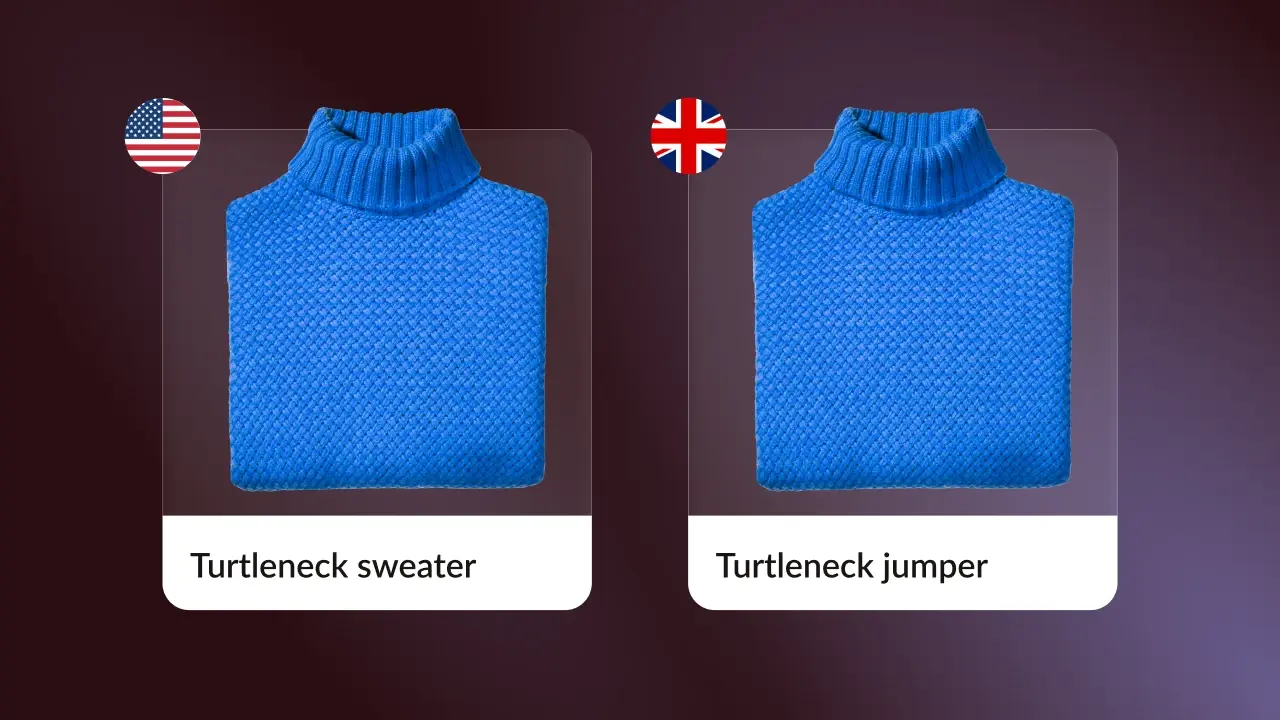
Domestic wholesalers usually understand local buyer behavior, seasonal demand, and retail trends. International wholesalers need to adapt to cultural differences, [language barriers](https://blog.nuorder.com/ecommerce-localization), and different purchasing practices from region to region. That’s why successful cross-border sellers always conduct extensive market research before they enter new regions.
Caption style
### Financial considerations
Domestic transactions use one currency and standard payment terms. In contrast, international wholesale might involve currency exchange risk, international banking fees, and trade finance tools. Returns, chargebacks, and dispute resolution can also be more complex in cross-border deals and transactions.
## Advantages and challenges of domestic wholesale
Domestic wholesale comes with a strong set of advantages:
- Lower shipping costs and shorter delivery timelines
- Simplified regulatory compliance and tax reporting
- Stronger relationships with local retailers and distributors
- Easier communication due to shared language and business culture
However, it’s important to note that it’s not without its challenges. Domestic wholesale offers limited growth potential compared to global markets, and revenue opportunities are restricted to the confines of domestic retail market’s size.
## Advantages and challenges of international wholesale
International wholesale offers some unique advantages, including the following:
- Access to a significantly larger, global base of buyers
- Opportunities to expand into fast-growing international retail markets
- The ability to diversify revenue across multiple regions and economic cycles
However, engaging in wholesale selling on an international scale can have its drawbacks. International sales introduces higher operational complexity (thanks to logistics, compliance, and international regulations). It can also result in longer lead times for production, shipping, and delivery—and costs tend to increase due to tariffs, customs duties, and global supply chain management needs.
## When businesses choose domestic vs international wholesale
Many brands start with domestic wholesale because it offers lower risk and operational complexity. The hurdles to get started are significantly smaller. Then as they grow, they’re often ready to explore international wholesale, an attractive option for expanding distribution and reaching new buyers. When companies reach the point when they have scalable manufacturing, strong logistics partnerships, and global demand, it really stands to improve the transition to international wholesale channels. Now [digital B2B marketplaces and commerce platforms make it even easier for brands](https://blog.nuorder.com/lightspeed-commerce-launches-a-new-multi-brand-shopping-and-ordering-experience-in-the-marketplace) to manage both their domestic and international wholesale relationships from a single system.
## How B2B eCommerce platforms support global wholesale growth
Modern wholesale operations increasingly rely on digital platforms to manage orders, product catalogs, and retailer relationships. [Online B2B marketplaces](https://blog.nuorder.com/online-b2b-marketplace-nuorder) and commerce platforms allow brands to reach buyers beyond traditional trade shows and sales networks; that’s the beauty of tech. What’s more, wholesalers can use these integrated tools to manage pricing, inventory, order tracking, international buyer communication, and other mission-critical B2B considerations. They also use the deep data analytics and performance insights these tech tools provide to identify new market opportunities, understand buyer demand across regions, and to find clues that can inform future product development and sales. Finally, many wholesale platforms provide integrations with eCommerce systems, logistics tools, and digital storefronts so wholesalers can use them as a single hub that touches their entire operations.
## Scaling domestic and international wholesale with digital commerce
Brands that seek to expand their wholesale operations often need better tools to manage buyers, orders, and product catalogs across multiple markets. As wholesale operations grow, manual processes can slow sales. They can also create inefficiencies between brands and their retail partners. In contrast, platforms designed specifically for B2B commerce streamline these processes while making it easier to manage domestic and international wholesale relationships in one place.
[Learn why NuORDER is a leading modern B2B eCommerce platform](https://www.nuorder.com/start/)—and how it helps brands connect with retailers, manage orders, and efficiently scale their global wholesale operations.
## Domestic and international wholesale FAQs
### What is domestic wholesale selling?
Domestic wholesale selling is the act of selling products in bulk to retailers or distributors within the same country. The transactions occur under a single regulatory system, and usually involve simpler logistics and faster shipping.
### What is international wholesale selling?
International wholesale selling is the act of selling goods to retailers or distributors in different countries. These transactions require cross-border logistics, customs documentation, and compliance with foreign regulations.
### Is international wholesaling more profitable than domestic wholesaling?
International wholesaling can open the door to larger markets and more revenue opportunities, but it's not without its challenges. It also entails higher costs, longer shipping times, and greater operational complexity.
### What challenges do businesses face when selling wholesale internationally?
Businesses often face such challenges as customs regulations, tariffs, currency exchange risks, longer supply chains, and the need to gain a deep understanding of local market demand.
### How can businesses manage domestic and international wholesale operations more efficiently?
Many brands use digital B2B commerce platforms to manage product catalogs, retailer relationships, order processing, and international buyer communication in a centralized system. They also use the deep data and insights they provide to improve their understanding of demand (at both the retailer and regional levels).
Share article
[](https://www.instagram.com/nuorder/) [](https://www.instagram.com/nuorder/) [](https://www.facebook.com/NuORDERwholesale/) [](mailto:heroes@nuorder.com)
Inside this post 

## Related articles
[wholesale](https://6465908.hs-sites.com/topic?slug=wholesale&page=1)
#### [ How to digitize your wholesale business: A step-by-step guide for B2B sellers ](https://blog.nuorder.com/how-to-digitize-wholesale-business)
[wholesale](https://6465908.hs-sites.com/topic?slug=wholesale&page=1)
#### [ What do modern retailers expect from wholesale brands? ](https://blog.nuorder.com/what-retailers-expect-from-wholesale-brands)
[wholesale](https://6465908.hs-sites.com/topic?slug=wholesale&page=1)
#### [ The death of disconnected wholesale: Why the old playbook no longer works ](https://blog.nuorder.com/the-death-of-disconnected-wholesale-guide-nuorder)
[wholesale](https://6465908.hs-sites.com/topic?slug=wholesale&page=1)
#### [ Beyond the tech gap: How brands are creating better wholesale experiences ](https://blog.nuorder.com/beyond-the-tech-gap-how-brands-are-creating-better-wholesale-experiences)
## Get on the list
Wholesale tips and industry news you can’t miss, delivered weekly
### Are you ready to *transform* your wholesale business?
See how NuORDER by Lightspeed can help you reach new heights.
[ Talk to an expert
](https://cta-service-cms2.hubspot.com/web-interactives/public/v1/track/click?encryptedPayload=AVxigLKTDTbBempP%2BRIjgS9pAHdxVMcaOeuSCue926M3eS2Rv%2BdhlcAIirVFnV1lTIGUbsza0Fi2DJZGmb5f94C0BOHDgW4mgifcbgw8devaI11srUFx5DCBpB0Lg4jOVK9Tv6D5DWpy68tMh6%2BJiSpfUiu6tmeWXBL5FV79tyUkVbdm&portalId=6465908)

Demo request
Log in
- Network
- [Exclusive Retailers](https://www.nuorder.com/exclusive-retailers)
- [Partner Program](https://www.nuorder.com/partners/)
- [Resources ](https://www.nuorder.com/resources-archive/)
- [Content Library](https://www.nuorder.com/resources-archive/)
- [Blog](https://blog.nuorder.com/)
- [Case Studies](https://www.nuorder.com/resources-archive/#filter-case-studies)
- [eBooks & Guides](https://www.nuorder.com/resources-archive/#filter-ebooks)
- [Webinars](https://www.nuorder.com/resources-archive/#filter-webinars)
- [Learning & Support](https://learning-support.nuorder.com/)
- [Knowledge Base](https://helpdesk.nuorder.com/hc/en-us/)
- Company
- [About Us](https://www.nuorder.com/about-us/)
- [Careers](https://www.lightspeedhq.com/careers/)
- [Contact Us](https://www.nuorder.com/contactus/)
- [Privacy Policy](https://www.lightspeedhq.com/legal/privacy-policy/)
- [Terms & Conditions](https://www.nuorder.com/terms-and-conditions/)
Get the latest wholesale tips and industry news from our blog delivered to your inbox.
@2025 NuORDER Inc. All Rights Reserved

- [Resources ](https://www.nuorder.com/resources-archive/)
- [Content Library](https://www.nuorder.com/resources-archive/)
- [Blog](https://blog.nuorder.com/)
- [Case Studies](https://www.nuorder.com/resources-archive/#filter-case-studies)
- [eBooks & Guides](https://www.nuorder.com/resources-archive/#filter-ebooks)
- [Webinars](https://www.nuorder.com/resources-archive/#filter-webinars)
- [Learning & Support](https://learning-support.nuorder.com/)
- [Knowledge Base](https://helpdesk.nuorder.com/hc/en-us/)
- Network
- [Exclusive Retailers](https://www.nuorder.com/exclusive-retailers)
- [Partner Program](https://www.nuorder.com/partners/)
- Company
- [About Us](https://www.nuorder.com/about-us/)
- [Careers](https://www.lightspeedhq.com/careers/)
- [Contact Us](https://www.nuorder.com/contactus/)
- [Privacy Policy](https://www.lightspeedhq.com/legal/privacy-policy/)
- [Terms & Conditions](https://www.nuorder.com/terms-and-conditions/)
Demo request
Log in
Get the latest wholesale tips and industry news from our blog delivered to your inbox.
@2025 NuORDER Inc. All Rights Reserved