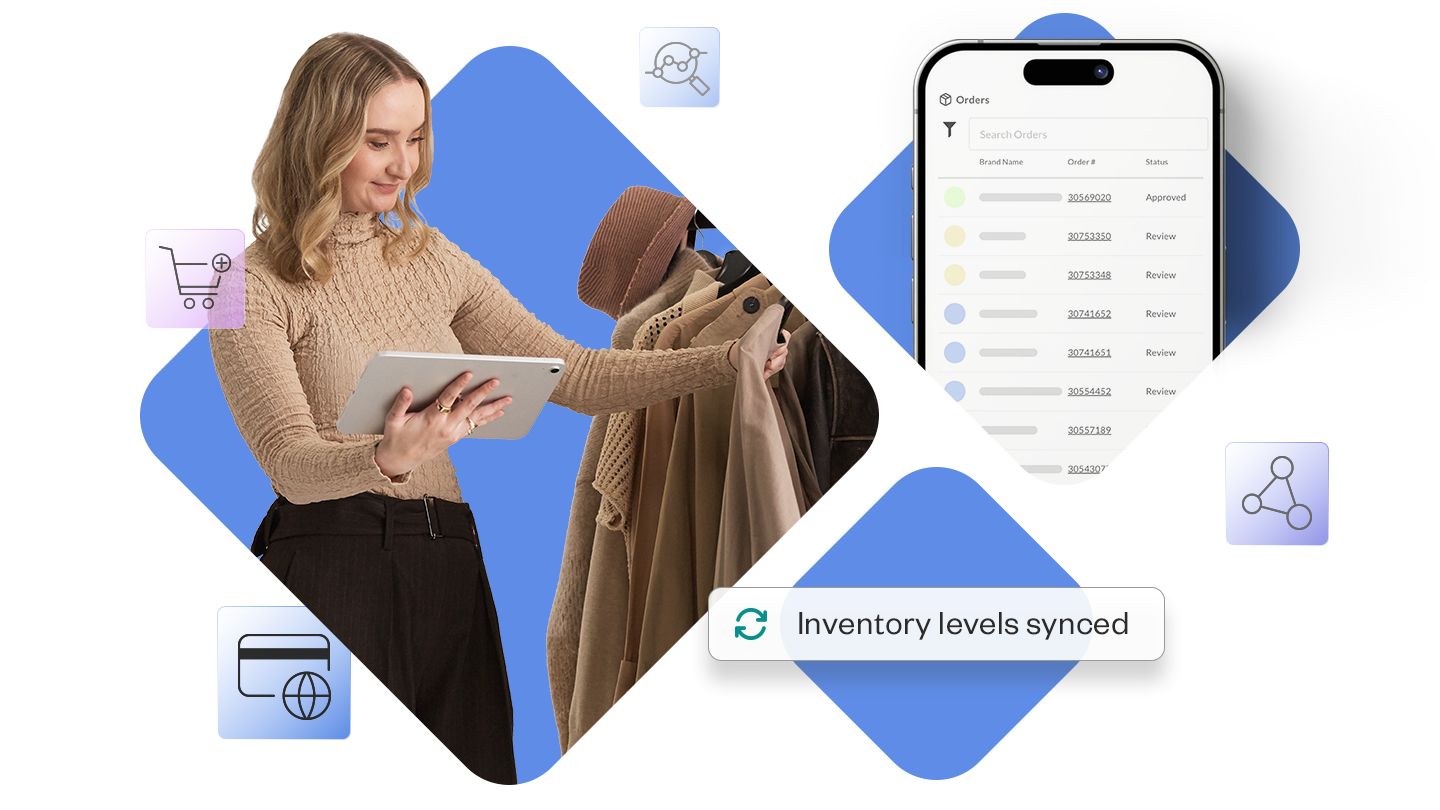
Why is wholesale becoming more global and digital?
Discover why wholesale is becoming more global and digital, from B2B eCommerce growth to supply chain shifts and evolving buyer expectations.

This is a really interesting time for wholesale; a myriad of factors have converged to shape it into a far more global and digital industry. Global trade volumes and cross-border commerce have expanded rapidly, pushing wholesalers to operate beyond regional markets to connect with international buyers and suppliers.
The forces driving wholesale toward a global and digital model
B2B client expectations mirror B2C shopping experiences, including attractive and highly detailed imagery, instant product visibility, seamless checkout, and real-time order tracking. Supply chains have become more complex and interconnected; they require digital tools that provide visibility across inventory, logistics, partner networks, and more.
Competition from digital-native distributors and direct-to-consumer (DTC) brands is accelerating the shift toward technology-driven operations. And last but not least, wholesale companies are increasingly adopting connected platforms like NuORDER that integrate sales, operations, and fulfillment to manage larger, more distributed networks.
Read on to see how you can make the most of these factors to maximize your wholesale business.
Key takeaways
-
Buyers’ changing expectations call for more B2C-like experiences in wholesale.
-
Integrated systems are advancing and optimizing wholesale operations.
-
Global supply chain disruptions were the impetus for this rapid digital transformation.
-
Businesses are using digital tools to work more efficiently and increase profits.
-
B2B platforms are raising the standards of what it means to do business in wholesale.
The rise of B2B eCommerce and the “Amazonized” buyer experience
1. Buyers now expect self-service ordering
Many B2B buyers prefer the convenience of browsing product catalogs, checking availability, and placing orders online. They can use digital portals to order anytime, from nearly anywhere while skipping error-prone manual processes.
2. Real-time data has become essential
Buyers now expect easy access to live inventory updates. They also expect accurate delivery timelines and access to personalized pricing based on their histories or accounts. Digital platforms make this both practical and possible.
3. Faster purchasing cycles are becoming the norm
Automated ordering and digital product catalogs shorten the time between discovery and purchase. Businesses have become accustomed to placing repeat orders very quickly and efficiently—even at higher transaction volumes.
How global expansion is reshaping wholesale opportunities
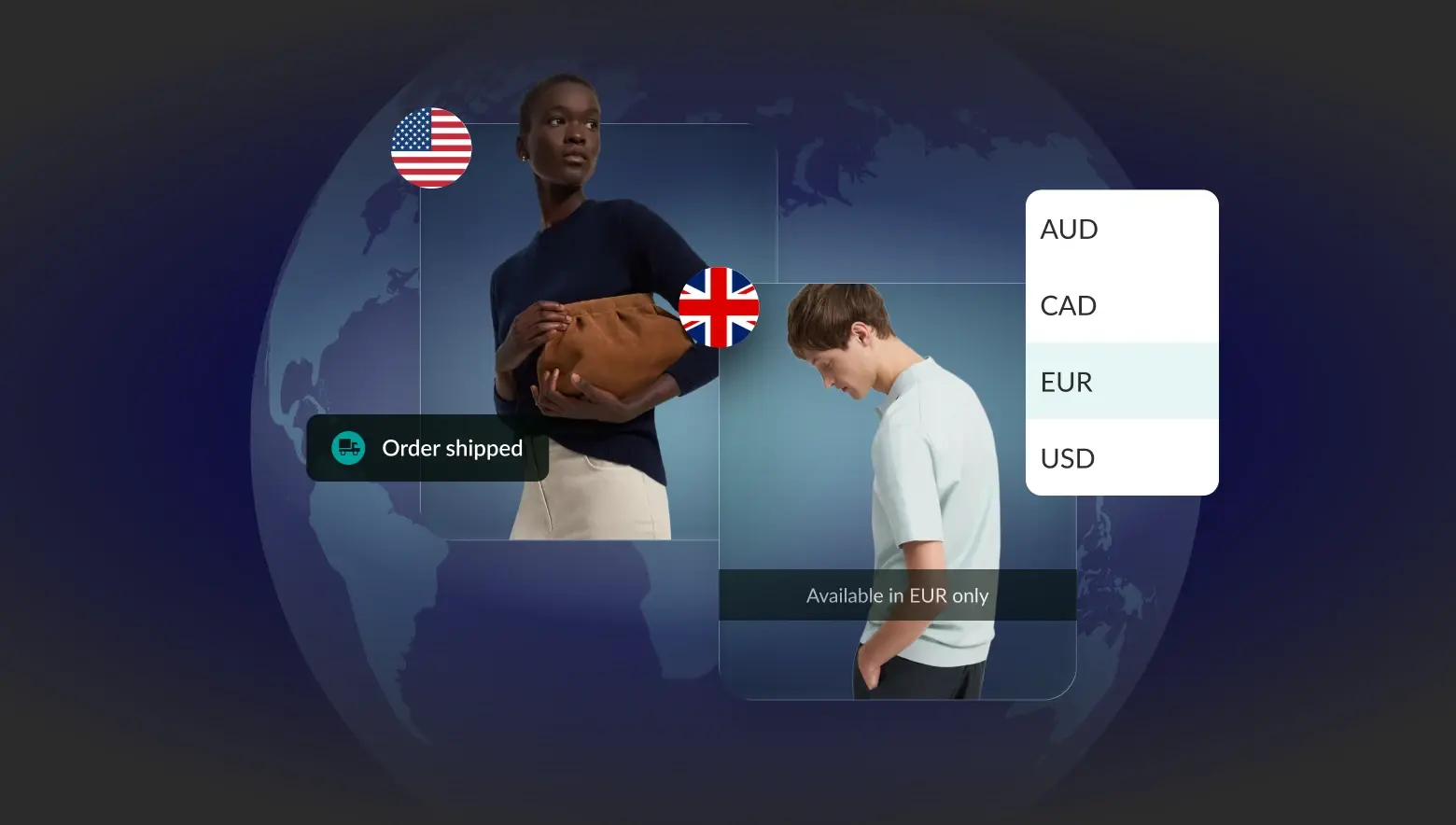
As a wholesaler, you can use digital platforms like NuORDER to reach retailers and buyers in international markets without establishing physical distribution centers in every region. Cross-border eCommerce opens the door to new customer segments and diversified revenue streams. And price differences can make a significant impact when you offer products that command higher margins in different markets. What’s more, when you source globally, you gain access to suppliers from multiple regions, which improves the range and variety of your offerings and reduces the inherent risk of relying on a single supply chain. Finally, when you take your wholesale business global, you can use online marketplaces and international trade platforms to simplify your payment processing, logistics coordination, and compliance.
The role of integration in digital wholesale platforms
Many wholesalers still rely on legacy systems, such as ERPs that were not designed to connect with modern eCommerce platforms and CRM tools. But when platforms are properly integrated, they make seamless connections across inventory management, financial, sales, and logistical systems to create a unified data ecosystem. And integrated systems offer real-time data synchronization, which ensures product availability, pricing, and customer information remain consistent across all of your channels.
When your systems are connected, you can automate so much more. When it comes to your wholesale platform, that looks like eliminating or reducing manual data entry, reducing the risk of human error, and processing your orders a lot faster. Finally, when all of your collective wholesale infrastructure is connected, you can scale with clear visibility into your performance insights and operations.
Why supply chain disruptions accelerated digital transformation
The COVID-19 pandemic exposed weaknesses in traditional supply chains that relied heavily on manual coordination and localized sourcing. As a result, businesses started adopting digital systems to improve transparency across their suppliers, inventory levels, and logistics partners. Those digital tools allowed them to quickly adjust sourcing strategies whenever disruptions would occur. Online collaboration platforms continue to help wholesalers communicate with their partners more efficiently; while their data-driven insights help them optimize inventory and anticipate changes in demand.
How digital tools improve efficiency and profitability for wholesalers
Automation reduces operational costs
You can use digital tools to automate recurring tasks like order entry, invoice generation, and inventory updates. In the process, you’ll reduce manual labor which reduces your administrative costs and the risk of human error.
Self-service tools reduce support workload
When you use self-service tools, your clients can access product information, place orders, and track incoming shipments at their convenience. Not only does this improve the buying experience, but it also frees up your sales and support teams’ schedules to focus on higher-value activities (such as relationship building and strategic account management).
Data insights support smarter decision-making
You can use analytics platforms to gain visibility into sales performance, product demand, sell-through rates, and more. They also give you access to real-time data; use it to adjust your pricing, purchasing, and promotional strategies in a timely fashion.
How wholesalers are competing with direct-to-consumer brands
Today, there are lots of things you can do as a wholesaler to compete effectively against D2C brands. For example, many wholesalers are expanding their value proposition beyond product distribution to offer services too, such as logistics support, financing options, and data insights for retail partners. You can also make it easier for retailers to do business with you by incorporating digital product catalogs and ordering platforms into the buying process. Finally, you can also use tech to act as a full-service partner, connecting brands, retailers, and logistics providers in a single ecosystem.
Emerging trends shaping the future of wholesale
-
AI-powered forecasting and analytics: Machine learning tools help predict demand patterns and optimize inventory planning.
-
Vertical-specific B2B marketplaces: Industry-focused marketplaces connect specialized brands and retailers within a single digital ecosystem.
-
Sustainability and efficiency initiatives: Digital tools reduce the need for physical samples, printed catalogs, and frequent travel.
-
Cloud-based operations: Cloud infrastructure allows companies to scale quickly and access their systems from virtually anywhere.
-
Collaborative digital platforms: Shared platforms improve communication between brands, distributors, and retailers.
Why connected B2B platforms are shaping the future of wholesale
As wholesale becomes more global and digital, businesses need platforms that allow brands and retailers to collaborate efficiently. Brands are using digital product catalogs to showcase collections while allowing retailers to explore assortments and place orders in one place.
These shared platforms are also streamlining communication, making it easier to get aligned on pricing, inventory, product details, shipping, and more. These centralized systems are powerful: wholesalers can use them to manage relationships across large networks of retailers and partners around the globe.
Learn why NuORDER is the most connected and integrated leading B2B software solution.
FAQs about the future of wholesale
What predictions define where wholesale is heading over the next 3–5 years?
Wholesale is expected to increasingly become more digital. The industry expects AI-driven analytics, global B2B marketplaces, and automated supply chains will play larger roles in how businesses manage inventory, orders, and partnerships.
Why has eCommerce grown so quickly?
eCommerce has expanded due to improved digital infrastructure. There’s also been a significant shift in buyer expectations (they seek convenience), along with widespread adoption of online purchasing platforms across B2C and B2B.
What are the current trends in wholesaling?
Today’s key wholesale trends include the growth of B2B eCommerce platforms, supply chain operations automation, AI-powered demand forecasting, and greater participation in global digital marketplaces.
How are digital platforms changing wholesale operations?
Digital platforms centralize product catalogs and streamline ordering processes to help wholesalers operate more efficiently. They also provide real-time insights they can use to become more effective retail partners.
Why are global supply chains important for wholesalers?
Wholesalers can tap global supply chains to source products from diverse suppliers (for greater differentiation) and to reduce their dependence on a single market (which reduces risk).
Share article


Related articles
Get on the list
Wholesale tips and industry news you can’t miss, delivered weekly