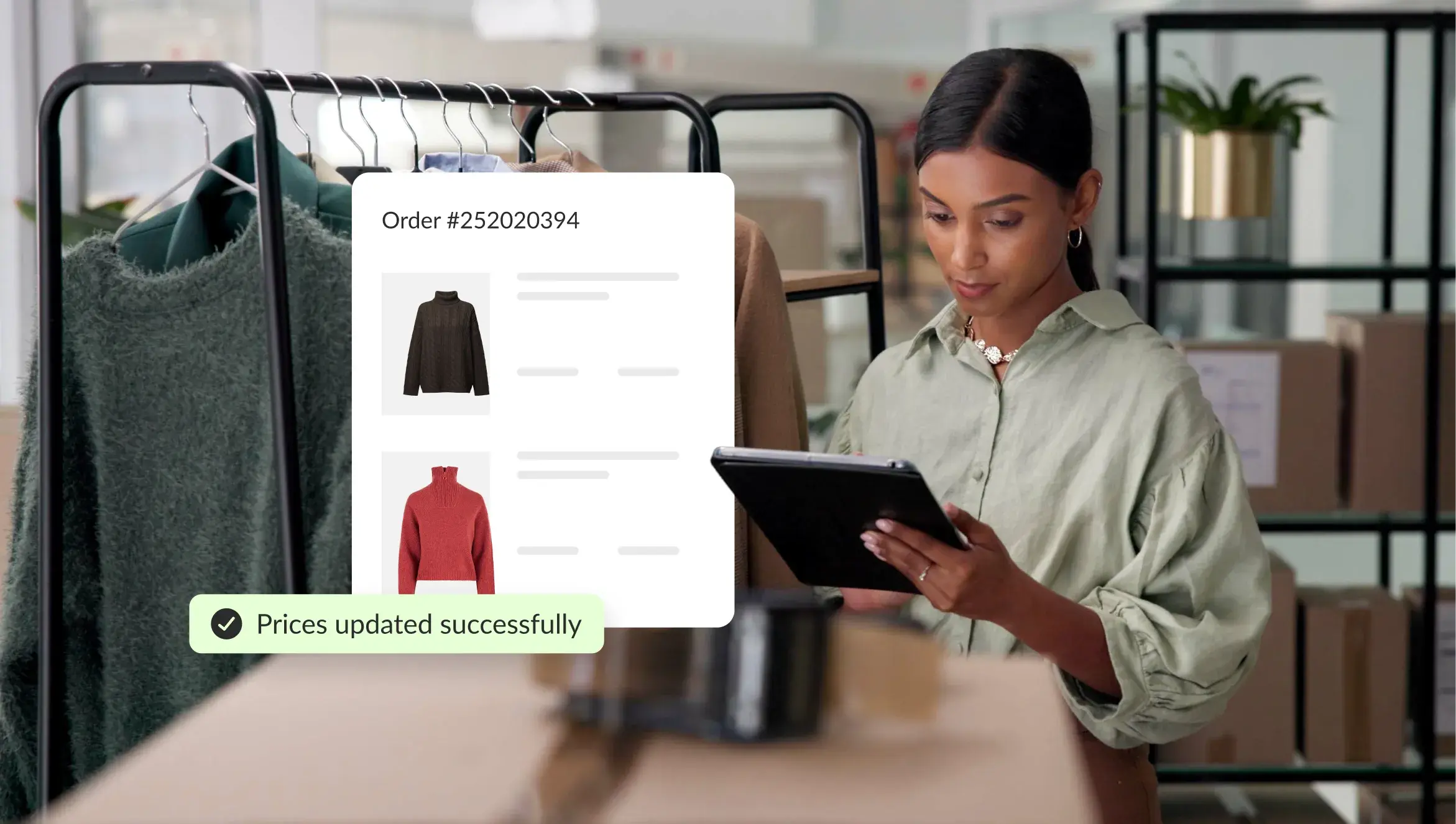
wholesale

Wholesale margins: What brands need to know to protect profitability

Learn what drives wholesale margins, what a healthy margin looks like, and how brands protect profitability at scale.

banner_image

Discover a better way to run your wholesale

Wholesale margins can look healthy on paper and still subtly shrink in practice, chipped away by supplier terms, pricing missteps, and operational inefficiencies that add up over time. For brands selling at scale, even small margin erosion compounds into a real hit to profitability. This article breaks down what a healthy wholesale margin actually looks like, the factors that most commonly erode it, and the practical steps brands can take to protect it going forward.

Key takeaways


  • Wholesale margins are shaped by pricing strategy, supplier terms, and operational efficiency.

  • Margin protection is a strategic priority—because even small margin erosion compounds significantly at scale.

  • It’s important to aim for a margin that falls within a healthy benchmark range.

  • It’s essential to know all the factors that erode margins so you can deploy practical moves to protect them.

What are wholesale margins, and why do they matter

Wholesale margin is the percentage of revenue you retain after costs. It differs from markup, which represents the percentage increase retailers add to a SKU’s price to sell it in a profitable manner to end consumers via their websites and stores. Wholesale margins represent the profitability of specific SKUs after you’ve factored in how much it cost to sell them (cost of goods sold, also known as COGS). 

Margins affect your ability to reinvest in the day-to-day operations of your business and your ability to successfully navigate unexpected events or unstable economic conditions. Margins also provide cues into your business’ long-term health and viability, as well as your ability to stay competitive in the market.

What is a good wholesale margin?

It depends. The ranges of what would be considered to be good wholesale margins vary greatly across industries, business models, and market conditions. For instance, the average gross profit margin for the apparel industry is 56.88% and 43.88% in the footwear industry, according to data from NYU Stern School of Business. 

Margin and markup are related, but distinct. You need enough wholesale margin to run a profitable business and to turn a profit at the individual SKU level, but your wholesale prices also have limits. Keep in mind that retailers will need to add markup to your wholesale prices, so if your wholesale prices are too high, for instance, they could make certain SKUs unsellable for retailers that sell in certain price brackets. 

To illustrate, let’s say you sell a sundress at a premium that was designed for the Better Contemporary market, but by the time a retailer adds markup, it would actually mean they’d need to sell the dress at an Advanced Contemporary price point. If their store and their market is only Better Contemporary, they’d be unable to sell that SKU in their store. 

Key factors that impact wholesale margins

There are several different factors that can impact your wholesale margins that might not be so obvious at first glance. Your supplier’s prices and payment terms can move your margins up or down. Product demand can also affect margins; for instance, slow-moving merchandise might need to be discounted to encourage merchants to buy more and fast-moving merchandise can command higher wholesale prices. Competitors’ pricing strategies can also influence your margins, as well as macroeconomic conditions, such as healthy consumer spending power and high consumer confidence or lower discretionary spending. 

Then there are the operational factors that impact your margins that are within your control. When you replace manual operational processes and when you connect the key systems within your tech stack, you can prevent the subtle margin reductions they produce in the background. We’ll explore this in further detail in the next section.

How brands protect and improve wholesale margins

Take these practical, actionable steps to protect and improve your margins.

Smarter pricing and sales tools

Sales and operational teams can use advanced sales tools to strategically set and adjust pricing. Picture using a smart sales tool that identifies slow-moving categories or SKUs. Over time, you can stop producing low-performing products to restore the health of your margins. What’s more, when you use smart sales tools you can identify patterns and insights regarding why certain items did not sell or certain types of products that don’t sell on a broader scale. In turn, this will enhance the health of your production decisions going forward and improve profits. These tools can also help you eliminate stressful guesswork and allow you to move beyond unreliable, outdated spreadsheets. 
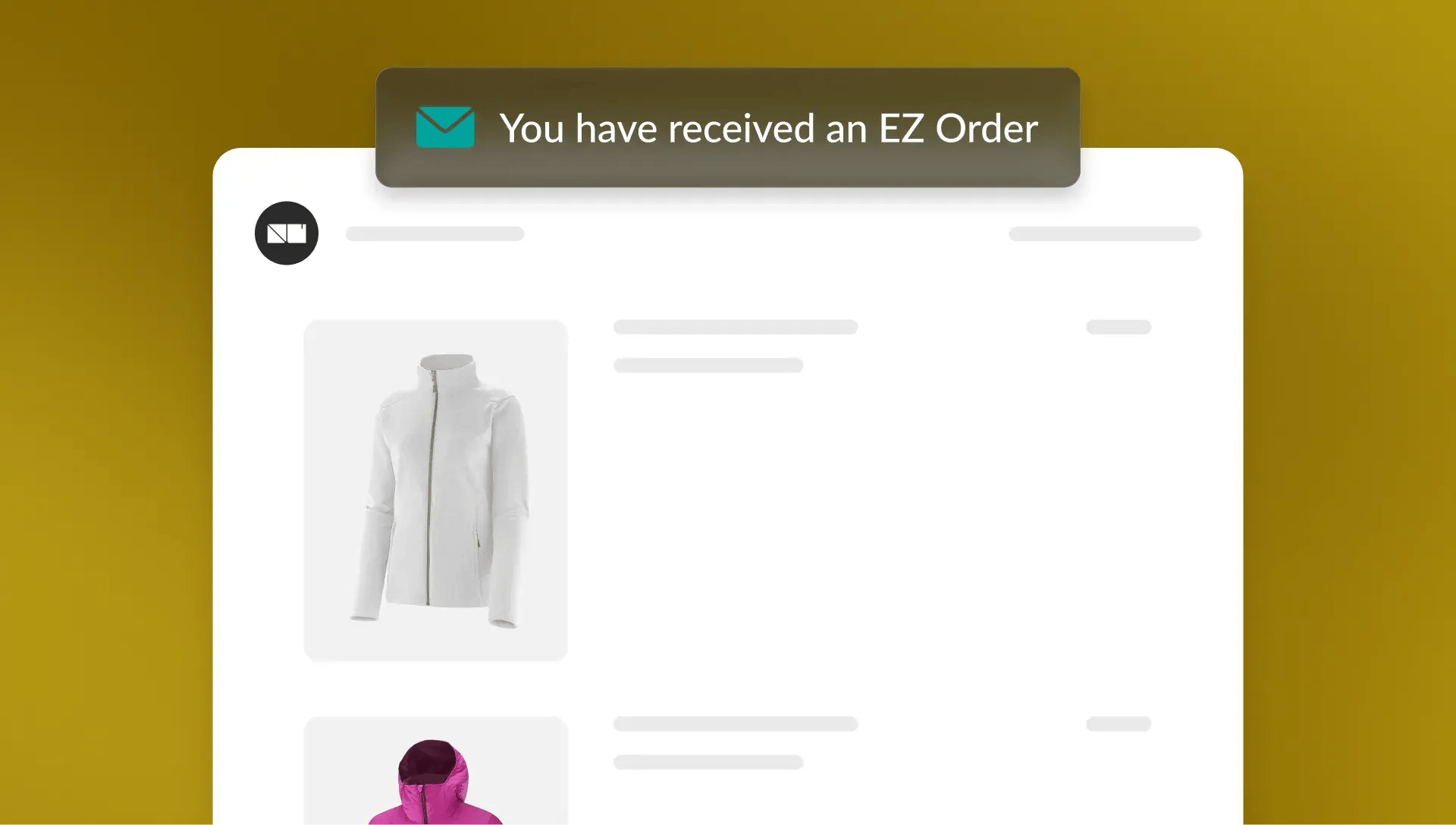
Advanced sales tools

Streamlined payments and reduced overhead

Use integrated payments to reduce the need for manual reconciliation. Streamlined payments can also greatly reduce margin-eroding processing costs.

Flexible terms and configurations

When you have flexible configurations in your wholesale platform, you can negotiate with buyers and apply custom pricing, terms, and discounts by account without resorting to manual, repetitive processes. And when that pricing is accessible from that centralized hub, you can quickly reference your smart pricing and sales tools to ensure you negotiate in ways that are actually viable for your margins.

Common mistakes that erode wholesale margins

Avoid the most common wholesale margin missteps to protect your profits. While your intuition can be an important intangible asset in your business, such as when it comes to identifying what trends and categories will resonate with end consumers, it’s important to rely on data when it comes to pricing. Turn to in-depth data and insights to avoid selling high-demand products for less money than you should be and to avoid selling slow-moving products at rates that are too high. 

Also ensure that you have clear, up-to-date visibility into your inventory at all times. This will help you avoid overstock, stockouts, and costly markdowns that can severely reduce your margins. It can also help you improve your relationships with buyers and encourage more frequent reorders and more robust sales. When your wholesale platform integrates with your inventory to offer this level of transparency, buyers can submit orders at their convenience and reorder mid-season without second guessing whether you actually have the items and quantities they click.  Finally, stop excessive operational costs in their tracks; replace manual, disconnected order and payment processes with integrated, automated systems. 

Inventory Management-1


How NuORDER helps brands protect wholesale margins

NuORDER’s B2B commerce platform makes it easy to protect and improve your margins. Brands use it to gain a clear picture of what’s producing healthy margins or what’s eroding their profits. The wholesale platform offers brands a streamlined, centralized hub where they can access integrated, up-to-date, and smart pricing, orders, and payments to reduce the operational friction that subtly erodes margins over time.

Ready to protect your wholesale margins?

Planning and protecting your wholesale margin isn’t a one-time calculation, but rather an ongoing practice that requires active care. Profitability is the heart of every business; carve some time out of your calendar to evaluate whether your approaches to pricing, inventory, and operations are supporting your margins or undermining their health. 

Ready to gain more control over your pricing and margins? Discover how a connected platform can simplify the process.

FAQs about wholesale margins

What is a good wholesale margin?

What’s considered to be a good wholesale margin will vary depending on the business model, industry, and even market condition at hand. The average is between 56.88% and 43.88% for gross profit margins in the apparel and footwear industries, respectively.

What is the difference between wholesale margin and markup?

Wholesale margin is a number for brands that represents the percentage of revenue that  remains after the cost of goods sold (COGS). Markup is a number that pertains to retailers that represents the percentage increase in price they add to a SKU to go on to resell it to end consumers. Wholesale margin and markup are both tied to profitability.

How can wholesale brands improve their profit margins?

Brands can improve their wholesale margins by using smarter tools for pricing, sales and inventory management, setting up flexible configurations for account-based details in their wholesale platforms, and by streamlining payments and other operational processes. 

How does inventory management impact wholesale margins?

When you have a well-integrated inventory management system, you’ll have ongoing visibility into your true inventory at all times. It protects your wholesale margins by reducing the risk of stockouts, overstock, and expensive markdowns.

Share article

Inside this post

Get on the list

Wholesale tips and industry news you can’t miss, delivered weekly

Are you ready to transform your wholesale business?

See how NuORDER by Lightspeed can help you reach new heights.