Wholesale leaders have a clearer idea of where they want to go. The harder question may be whether the infrastructure behind their business is ready to take them there.
Our 2026 State of B2B eCommerce Report, based on research with 200 senior wholesale leaders, points to three shifts worth watching: brands are being more deliberate about where they expand, B2B eCommerce has become part of the infrastructure behind wholesale,and brands are looking to grow the depth of existing retail accounts alongside expanding their reach.
Here’s what that could mean for the next chapter of wholesale.
Expansion is becoming more intentional
Wholesale growth used to be closely associated with adding more doors, but the direction of travel is changing.
We’ve seen 52% of wholesale leaders say strengthening existing retail partnerships is an expansion priority, while 47% are focused on entering new geographic markets. New product categories follow at 44%.
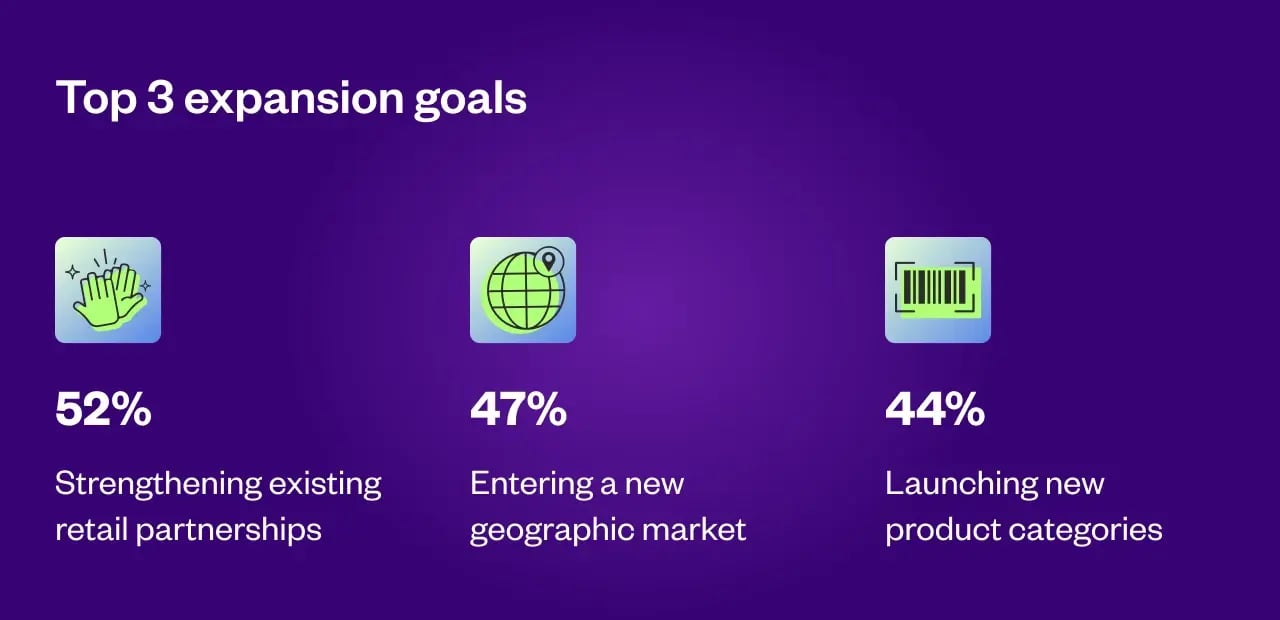
That combination says something about where brands see opportunity: not simply in finding more retailers, but in making more of the relationships and markets that fit their business.
Geographic expansion is also becoming more diversified. Europe, in particular, is seeing increased attention as brands look beyond their existing markets.
For brands, that raises a practical question: can the infrastructure supporting wholesale keep pace with a business that is becoming more international and more deliberate about where it grows?
B2B eCommerce has become part of the infrastructure
B2B eCommerce is becoming less of a standalone channel and more of the infrastructure behind wholesale itself. If you’re using NuORDER with even one retailer, you’re already part of that infrastructure—the question is how much of it you’re actually using
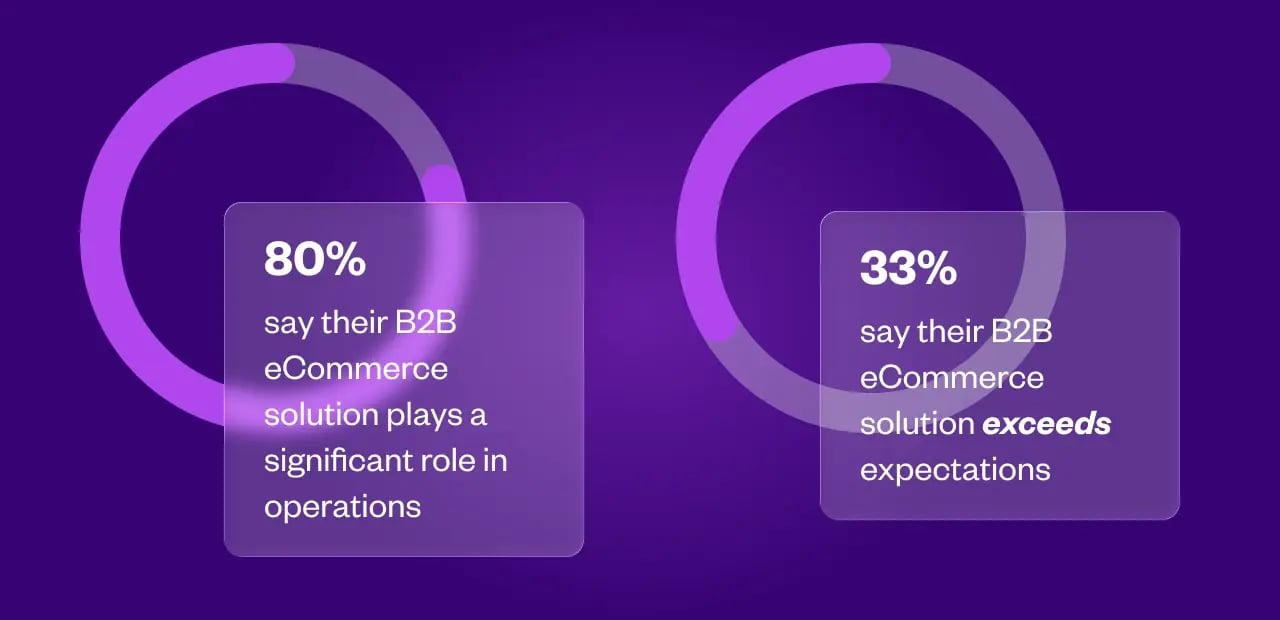
Nearly 80% of wholesale leaders say their B2B eCommerce solution plays a significant or critical role in operations. Another 33% say their solution exceeds expectations. Brands rely on these systems for the everyday mechanics of wholesale, from ordering and pricing to inventory visibility and retailer interactions.
At the same time, the systems behind wholesale aren’t always as connected as the strategy itself. Only 9% of respondents report fully integrated ERP systems with seamless data flow, while 86% rely on partial integration and some manual processes.
That gap matters as wholesale becomes more data-driven. AI is becoming part of that equation, too, with inventory forecasting, routine process automation, pricing optimization, and real-time decision-making among the leading use cases. The more brands ask technology to help them make better decisions, the more important it becomes to have reliable, connected data underneath it.
B2B eCommerce is no longer simply a digital way to place an order; it’s becoming part of the operating infrastructure that makes a more sophisticated wholesale strategy possible.
Share article


Get on the list
Wholesale tips and industry news you can’t miss, delivered weekly