
For years, wholesale was treated as the machinery behind the fashion business: necessary, complex, and largely invisible to the customer. Orders were placed, inventory moved, and invoices were reconciled. The real brand-building was assumed to happen elsewhere.
But wholesale has quietly taken on a much larger role; for many fashion brands, it accounts for as much as 60% of total sales. More importantly, it has become a source of information about where products are resonating, which markets are moving, and where the next opportunity might lie.
The brands paying closer attention are treating wholesale not simply as a sales channel, but as the infrastructure that shapes how the business grows.
Growth is becoming a question of precision
Traditionally, the wholesale growth story was largely about expansion: more storefronts, more territories, and more accounts. Today, though, the more interesting question is what happens when brands look at wholesale with great precision.
A carefully chosen retail partner can offer more than another distribution point. It can give a brand access to a new customer base, a new market, and new insights into demand without requiring the brand to build an entire operation from the ground up. That makes wholesale particularly valuable in a market where expansion comes with greater pressure to protect margins, manage inventory, and maintain brand strength.
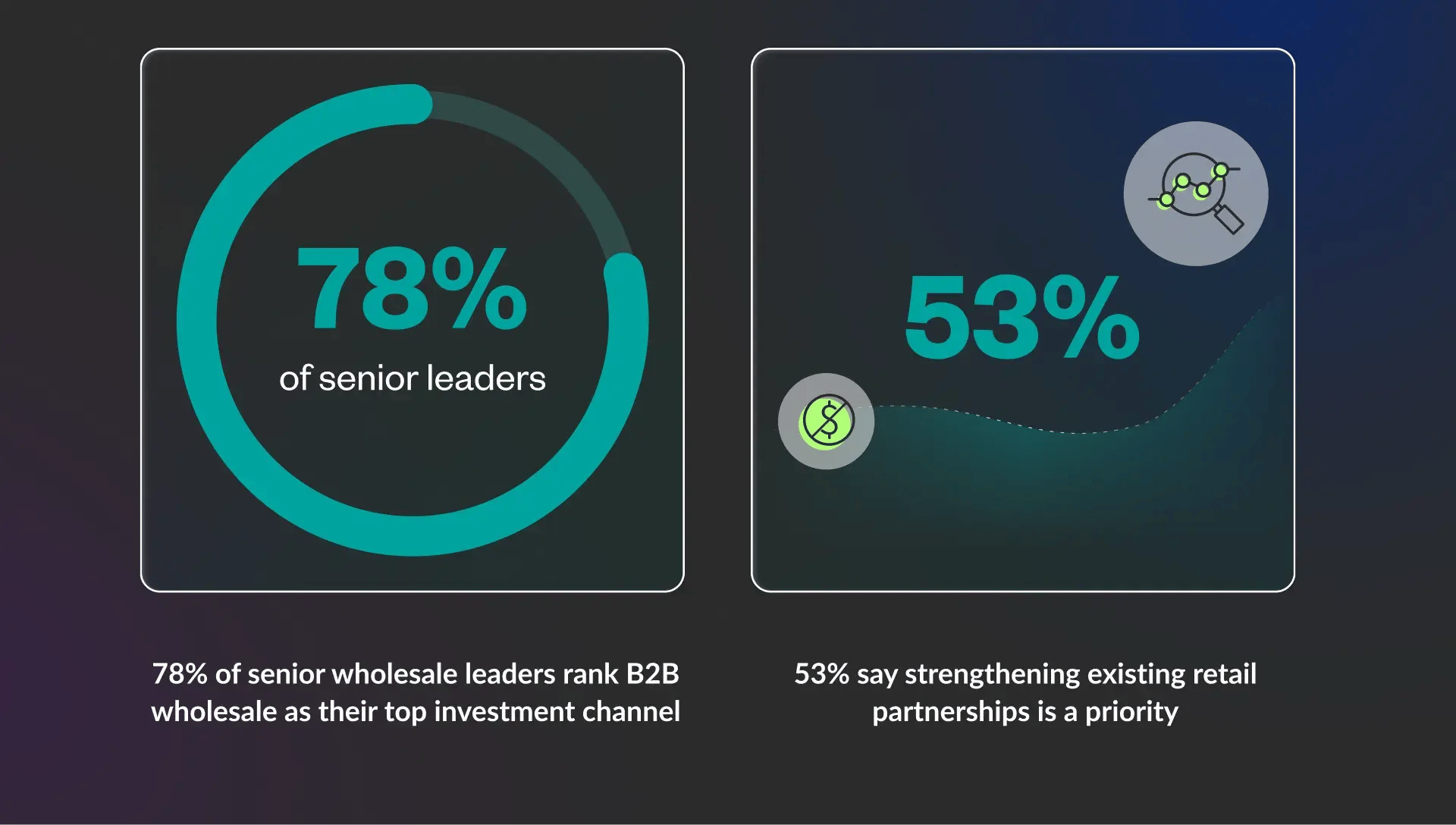
That shift is reflected in where the industry is investing its time. According to NuORDER's 2026 State of B2B Report,, 78% of senior wholesale leaders rank B2B wholesale as their top investment channel, while 53% say strengthening existing retail partnerships is a priority.
The emphasis is moving from distribution for distribution’s sake toward a more considered relationship between brands, retailers, product, and the market.
What retailers can tell brands
Wholesale has another advantage that is easy to overlook: it puts brands closer to the people making decisions about what consumers will want next.
Buyer behavior, orders, reorders, assortment choices, and sell-through can all reveal something about demand. Major retailers may offer scale and sophisticated consumer data while independent retailers can provide a more localized perspective, often with a closer read on the customers and communities they serve.
Together, those signals can give brands a broader view of the market than any single channel can provide.
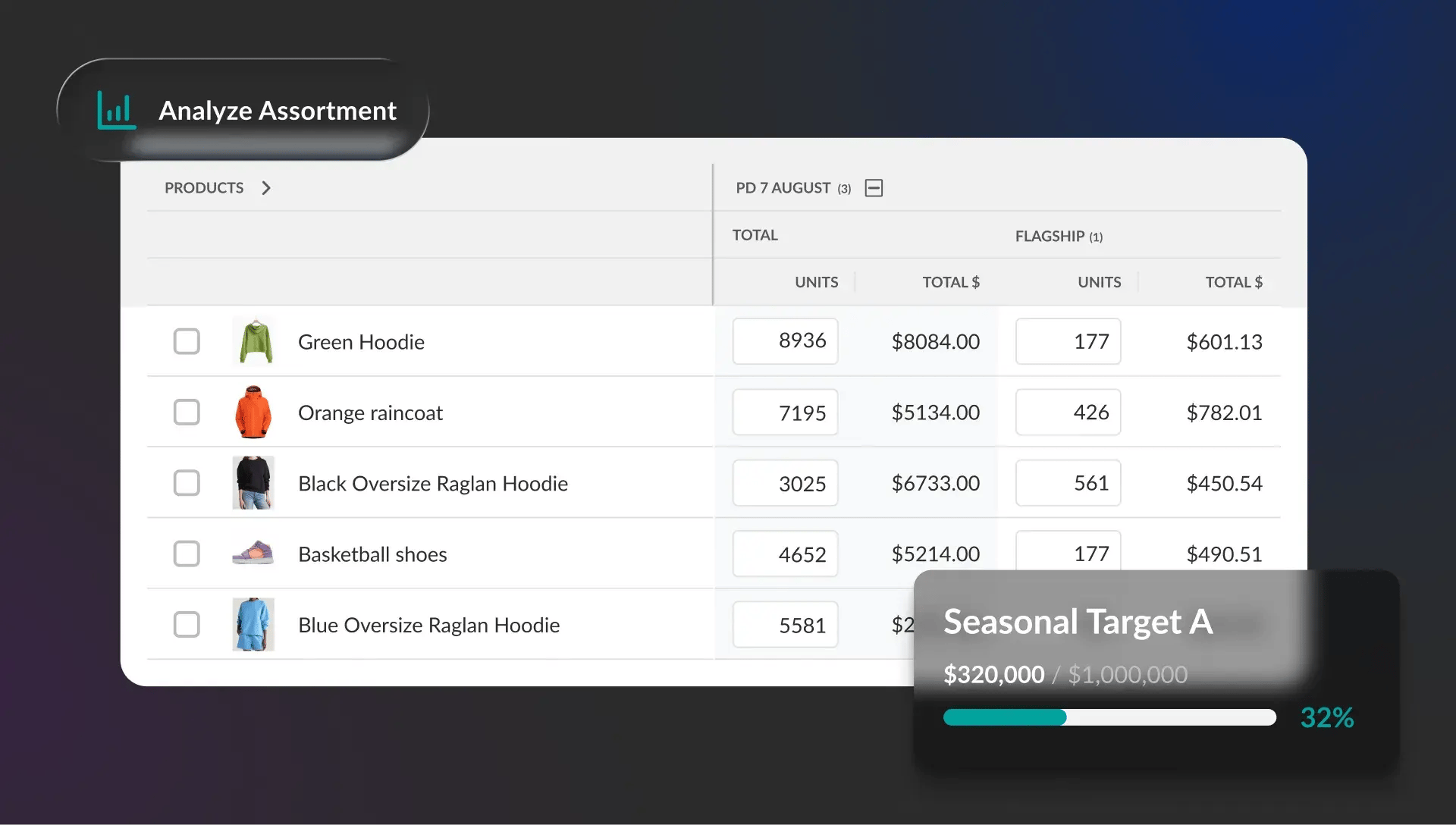
Recent industry data shows that 67% of wholesale professionals frequently use sell-through data in their daily processes, with 22% describing it as critical to their workflows. And the implications extend well beyond sales reporting; when brands can see what’s moving, where it’s moving and how that differs by account or market, those signals can inform merchandising, inventory, and product strategy.
A product performing well in one market may point to an opportunity elsewhere. A slower assortment can prompt a reshuffling of allocation. A pattern across several retailers may shed light on a shift in demand before it becomes more obvious through other channels.
Taken together, these signals can give brands a clearer read on where demand is building and where it may be starting to shift.
Growth without compromise
There’s a misconception that wholesale growth always comes at the expense of brand control. For DTC-first brands in particular, selective distribution can be a strategic choice. The right retail partners can extend reach while preserving a more considered approach to where products appear, how they are presented, and which customers they reach.
Wholesale can also provide a controlled way to test a market, though. Rather than committing immediately to a permanent physical presence or significant local investment, a brand can use retail partnerships to understand demand and build familiarity before deciding how far they want to go. That makes the channel particularly relevant to international growth, where the cost of getting a market wrong can be significant.

Share article


Get on the list
Wholesale tips and industry news you can’t miss, delivered weekly