
Brand

How brands empower retailers to create connection and community

Explore how brands and retailers can work together to foster community engagement through storytelling, partnerships, and smarter tech.

banner_image

Discover a better way to run your wholesale

Community has become a powerful differentiator in retail. Shoppers are looking for more than just products or services; they’re looking for places and brands that make them feel connected. As business becomes increasingly fast-paced and digitized, that sense of belonging only grows stronger.
But building community isn’t always straightforward for brands. Most don’t control the physical spaces where those “third place” moments happen. That responsibility often falls to retailers, who are the ones interacting with customers day to day. Still, brands have more influence than it may seem. With the right tools, stories, and support, they can empower retailers to create those meaningful in-store connections around their products.

And when brands and retailers work together to foster community, the impact goes far beyond sales. Customers stay loyal, share experiences with others, and naturally bring new people into the fold—creating a cycle of connection that strengthens everyone involved.

Storytelling as a tool for identity and belonging

Retailers can use storytelling to connect emotionally with customers and cultivate that sense of identity and belonging that today’s consumers yearn for. A good brand story relays the real reason the product was created, often highlighting the owner’s initial inspiration or struggle.

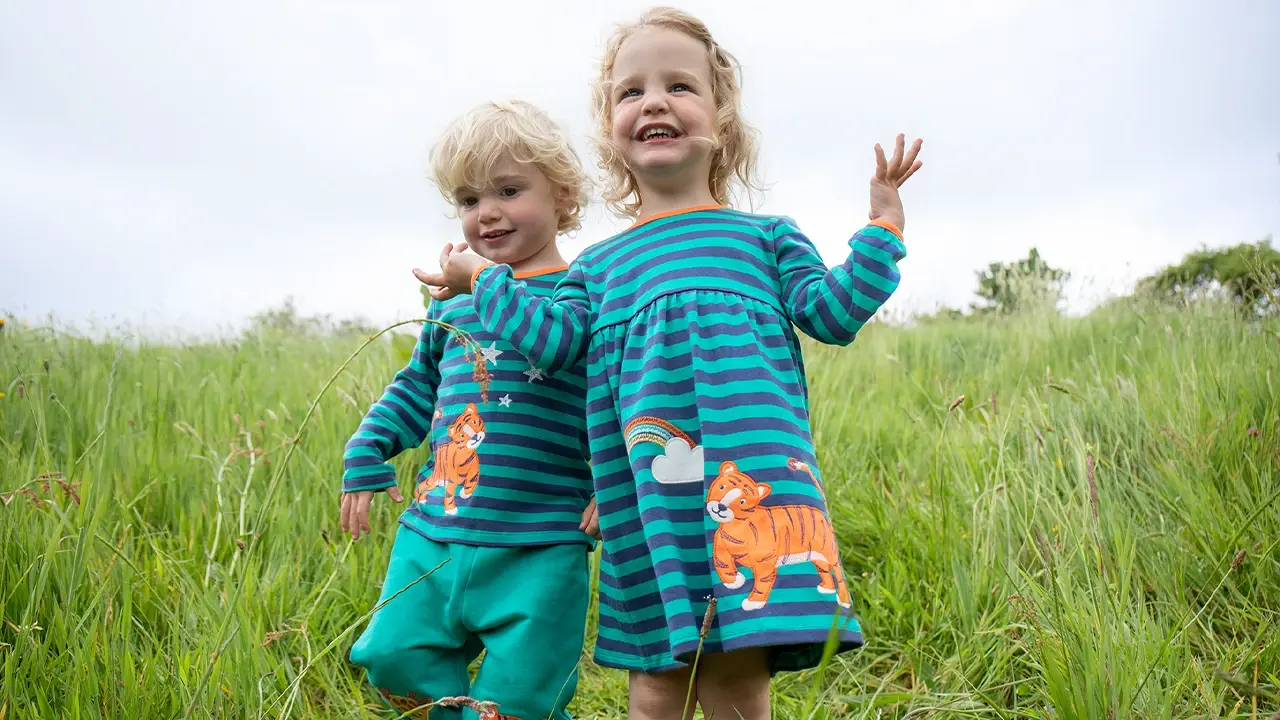
These background stories add depth to the product, allowing customers to connect with the people behind the brand. Frugi, a sustainable children’s clothing brand, was founded out of the owner’s desire to protect the environment. While many sustainable brands use neutral colors in the clothing lines, Frugi differentiated itself by opting for bright, nostalgic colors that are instantly recognizable and can be loved for years to come.

By providing them with their background stories, missions, or visions, brands can make it easier for store teams to bring that story to life. When retailers have ready-to-use narratives and assets, they can confidently share the “why” behind a product with their customers, helping them create deeper, more meaningful connections in-store.

Building community through hyper-local experiences

Retailers often create their strongest connections with customers through local events —whether that’s a workshop, a product demo, a community meetup, or a small celebration tied to the neighborhood. These hyper-local moments bring people together in ways that feel personal and relevant, helping shoppers see the store not just as a place to buy something, but as a familiar part of their community.

Brands can play a key role in these hyper-local experiences. By partnering with retailers on these initiatives, they can help elevate the experience and make it feel more cohesive. Co-marketing kits—such as co-branded signage, simple event promotions, talking points, or product demo materials—give retailers the tools they need to spotlight the brand in a way that feels natural and local.

Brands can also contribute by offering curated assortments tailored to the community the retailer serves. When the products on display reflect local interests or tastes, shoppers feel recognized and understood—and the connection between brand, retailer, and customer becomes much stronger.

Partnerships that deepen connection and expand reach

Retailers can enter into partnerships with other businesses in order to deepen connection with their customers and expand reach. When shoppers see two businesses they already trust collaborating, it creates a sense of excitement and curiosity—and often introduces them to brands they may not have discovered otherwise.

Brands can help retailers make the most of these opportunities by recommending complementary partners and sharing insight into what types of collaborations resonate with their customers. Because brands understand how their products are used—and which activities or lifestyles they naturally align with—they’re well positioned to suggest meaningful pairings.

For example, an athleticwear brand might encourage a retailer to team up with a yoga studio for a pop-up class or product trial. An outdoor apparel brand could help facilitate a community hike or meetup with a local adventure guide. These simple partnerships give retailers an easy way to create memorable experiences while extending the brand’s reach to new, highly engaged audiences.

Blog_CommunityinRetail_CommunityEvent-1

How tech + data strengthen community (without losing the human touch)

Technology gives brands a clearer picture of how customers shop, what they respond to, and how their preferences shift across regions. When brands share these insights with their retail partners, it becomes much easier for store teams to create more relevant, personalized experiences on the sales floor. For example, simple reporting on trending fits, colors, or product pairings can help retailers have more confident conversations with customers and merchandise their assortments in ways that feel intuitive to the community they serve.

This is where the human element comes back in: better data leads to better real-world interactions. When retailers understand the story behind a product—who it resonates with, why it performs well in certain markets, and how customers tend to use it—they’re able to build stronger connections with shoppers.

Community building may happen in the store, but brands can meaningfully support it from behind the scenes. By sharing insights, offering curated assortments, and making product education easy to access, brands give retailers the tools they need to foster deeper, more memorable relationships with their customers.

Share article

Inside this post

Get on the list

Wholesale tips and industry news you can’t miss, delivered weekly
Are you ready to transform your wholesale business?

See how NuORDER by Lightspeed can help you reach new heights.