
Inventory management

What is a digital line sheet?

A digital line sheet is the modern B2B sales tool replacing static PDFs—discover what it includes, why it matters, and how NuORDER makes them dynamic.

banner_image

Discover a better way to run your wholesale

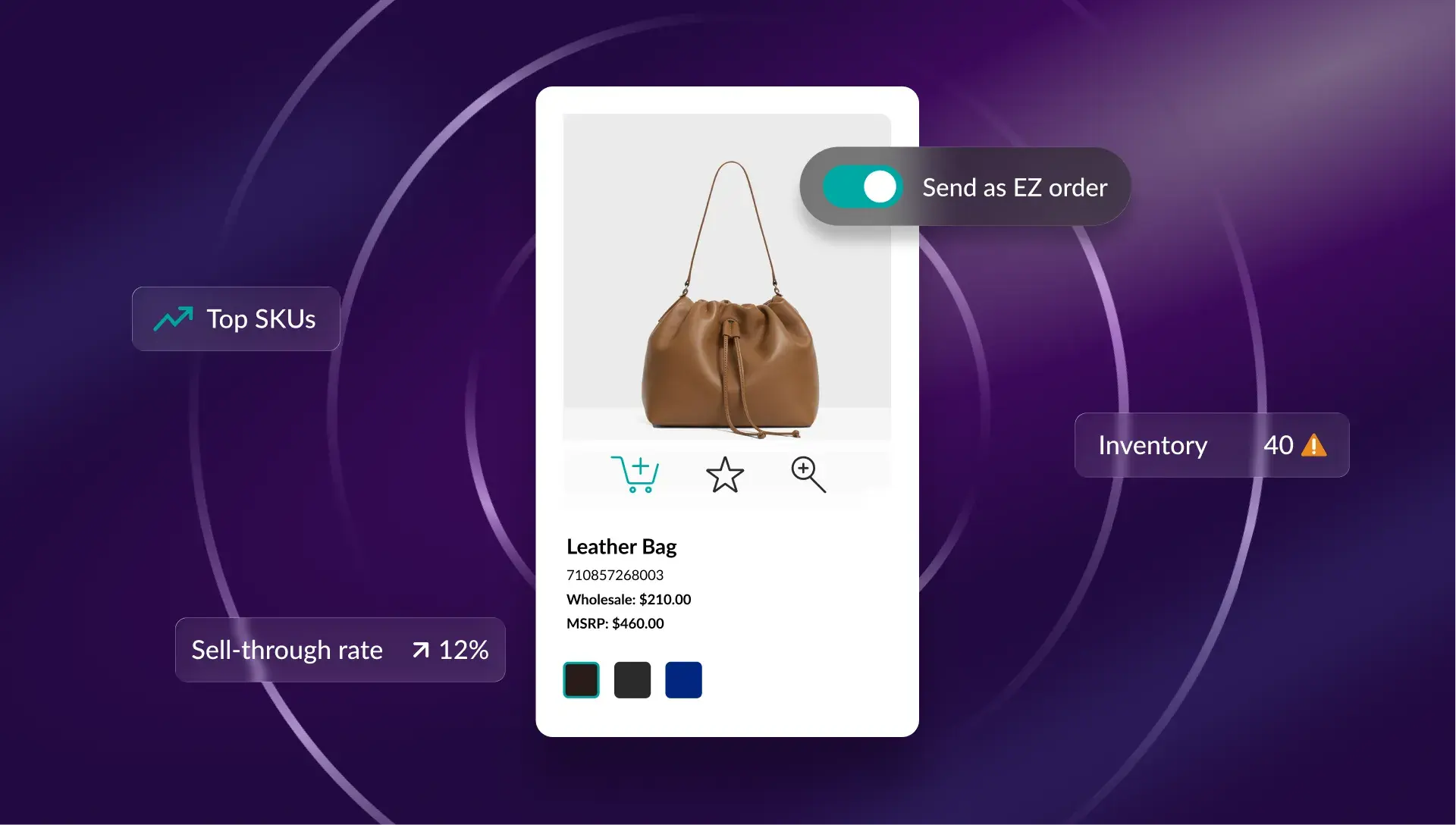
Many wholesale brands continue to rely on the time-intensive and error-prone methods of the past. They’re emailing PDFs and managing static spreadsheets to present their product lines to buyers, which require manual updates or replacements every time there’s an inventory or pricing change. However, digital linesheets are an entirely different story. A digital linesheet is an easily editable, sharable, and shoppable version of the classic wholesale tool that can be produced via a modern platform like NuORDER so that it can be updated in real time. Every linesheet should contain the following elements: product visuals, product details, wholesale pricing and MSRP, ordering logistics, delivery windows and lead times, and brand and order information.

In contrast to their traditional PDF and print counterparts, digital linesheets are easy to merchandise, update, and tailor digital linesheets to specific accounts or to apply visibility rules to show certain aspects to specific buyers (such as regional-specific assortments and currencies). The result is a faster, more modern buying process that saves time and significantly reduces the risk of human error. 

And they’ve never been more important than today in 2026. Buyers have come to expect the ease, visual interest, and convenience of B2C eCommerce shopping in the B2B wholesale realm. Digital linesheets fit the bill.
Key takeaways


  • Digital linesheets are far more dynamic than their traditional print and PDF counterparts; they also open the door to buyer-specific B2B eCommerce strategy.

  • They offer sophisticated customization and personalization options and even click-through shopping.

  • Every digital linesheet should include key product, merchandising, pricing, ordering, and logistics information.

  • Linesheets and lookbooks are not the same thing.

What is a digital linesheet?

A digital linesheet is an interactive B2B sales document that wholesalers use to present product collections—pricing, SKUs, imagery, and ordering terms—to retail buyers online. It’s different from traditional PDF or print linesheets in that classic linesheets become outdated as soon as any inventory, ordering, or pricing details change. Digital linesheets can be updated in real time and shared via links rather than bulky email attachments or multiple-page print files. 

Essential elements of digital linesheets

Every digital linesheet should include:

  • Product visuals: Feature high-quality product images or flat technical drawings for every SKU. Buyers rely on visuals to assess style, colorways, and quality before they commit to placing an order.

  • Product details: Include any applicable style numbers, SKUs, descriptions, available materials, and size runs. These are the transactional identifiers buyers (and their purchasing systems) need to place and track orders with accuracy.

  • Wholesale prices and MSRP: Include the wholesale cost per unit and the suggested retail price for each item. Account-specific or tiered pricing should only be visible to the appropriate buyer.

  • Ordering logistics: Add minimum order quantities (MOQ), pack sizes, colorways, and material options. These terms define the conditions of the sale and help buyers plan their buys.

  • Production lead times and delivery windows: Be sure to include any dates that pertain to seasonal availability, along with shipping windows and production lead times. Buyers need this information to plan their Open-to-Buy calendars and to coordinate with their store floorsets.

  • Brand and ordering information: Include contact details, order submission instructions, and key payment terms. This final element ensures buyers have everything they need to order immediately.

Why digital linesheets matter for wholesale brands

When you leave traditional linesheets behind for digital linesheet software, you’re greeted with several business-boosting benefits:

Real-time updates

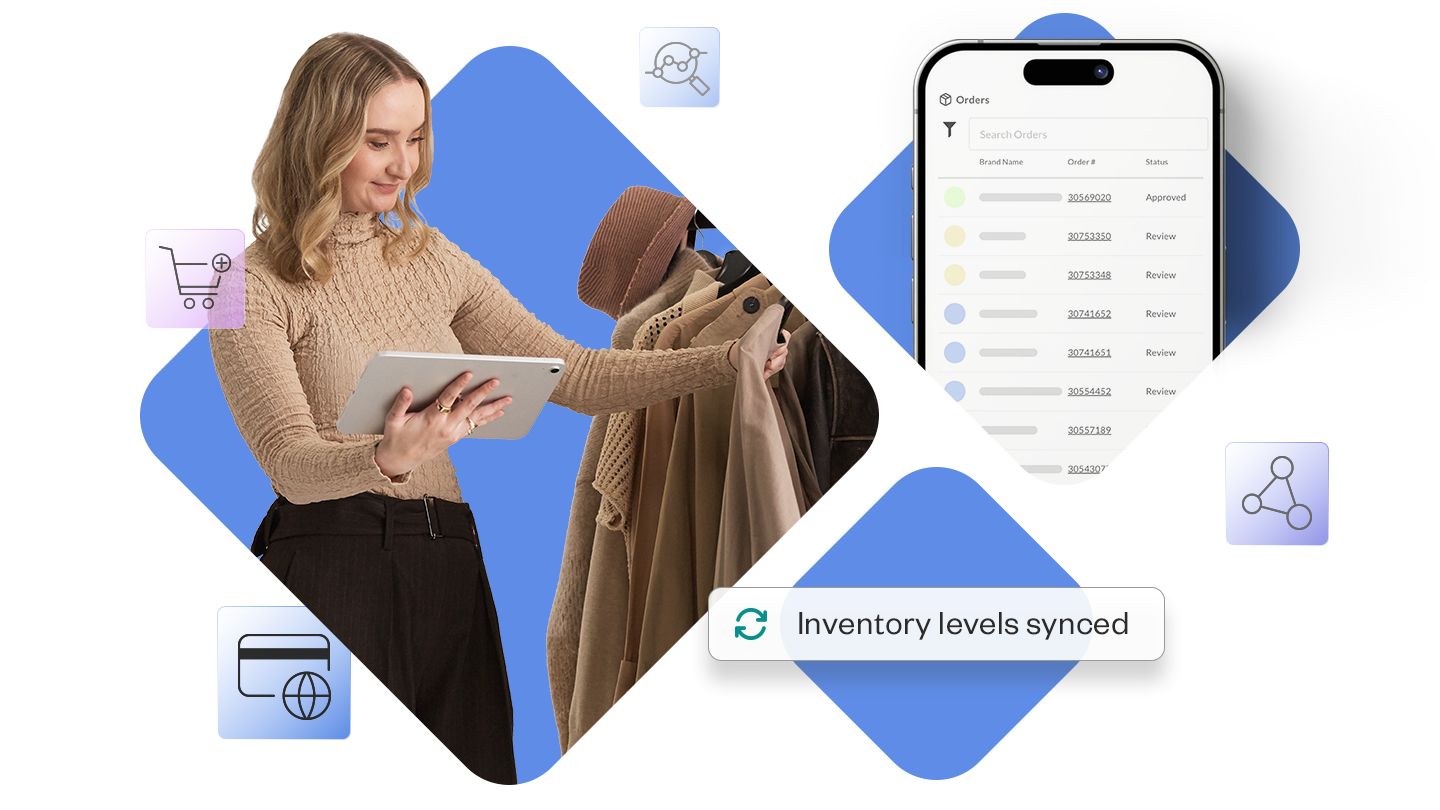
With real-time updates, you can preserve the accuracy of your linesheets and save a considerable amount of time. Since digital linesheets sync with your live inventory and pricing, you can update a collection, adjust wholesale prices, or pull discontinued SKUs without needing to resend a PDF. This ensures that every time a buyer views your digital linesheet, they’re only seeing its most up-to-date iteration. This allows buyers to order faster, and it increases how much they feel they can rely on you to operate with the utmost professionalism.

Interactive ordering

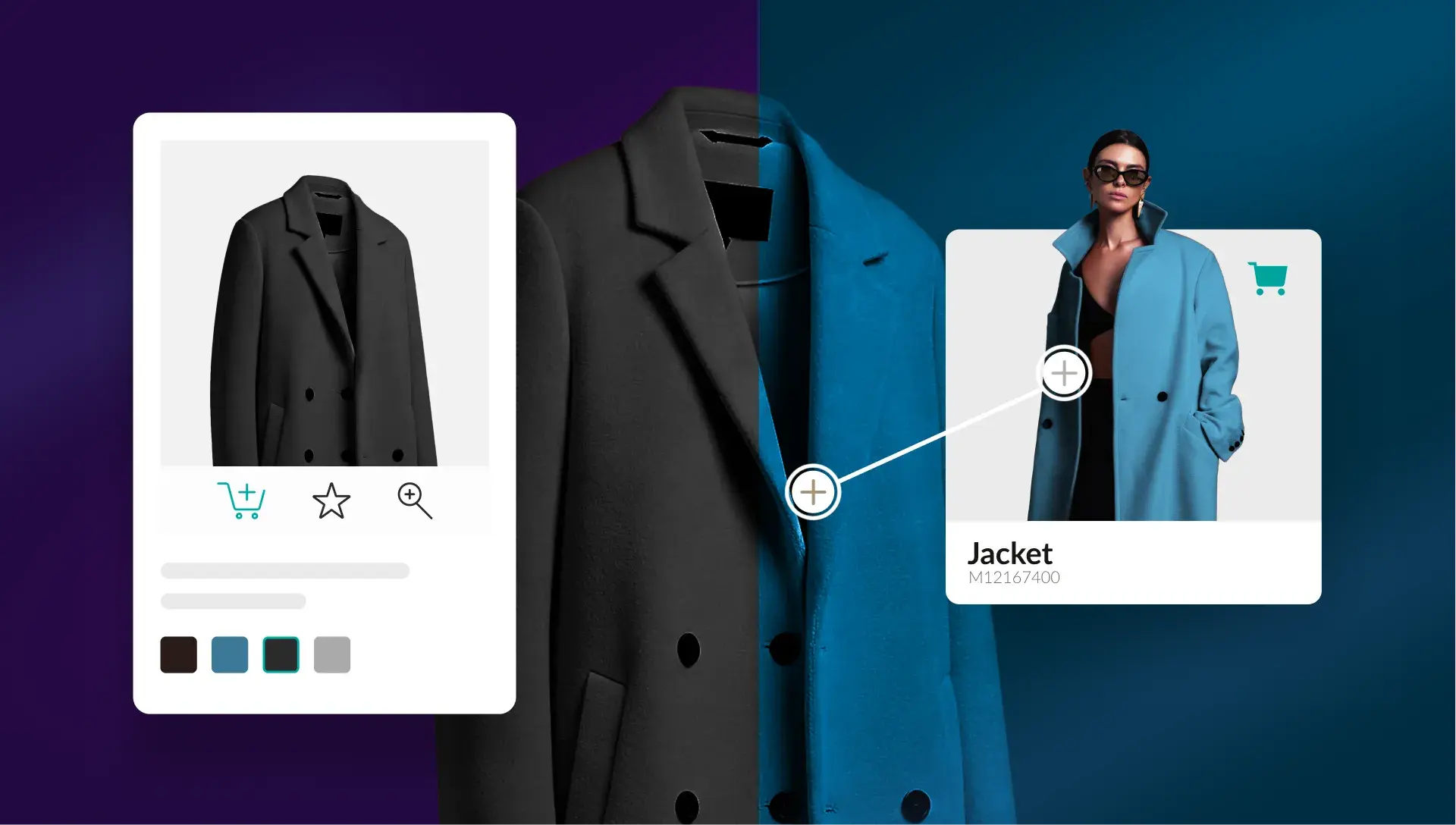
Digital linesheets allow buyers to browse and buy within the same platform or B2B eCommerce solution. They can just click to add to cart and complete their transaction in a platform like NuORDER, right then and there. Merchants greatly appreciate the ability to order on their own time and with ease—no manual orders and back-and-forth email correspondence necessary. This is another example of how digital linesheets can enhance your relationships with buyers.

Personalization and buyer-specific views

Digital linesheets also help you save time and reduce the risk of error by allowing you to customize them per buyer. You have the option of only showing the products and price tiers that are relevant to each retailer, or by region, account tier, or assortment preference. This would not be a realistic undertaking with traditional linesheets—whether for their initial creations or their updates along the way.

Brand professionalism and sales intelligence

A polished, well-organized digital linesheet is another opportunity to demonstrate your credibility and professionalism to buyers. They stand out… especially at trade shows, during market appointments, and in remote sales scenarios; and they make excellent first impressions. What’s more, their digital nature means they’re able to offer useful analytics. You can find out when a buyer has viewed your linesheet and which products they spent the most time viewing to provide important, actionable insights to your reps.

Digital linesheet vs. lookbook: What’s the difference?

A lookbook is a brand storytelling tool that evokes mood and atmosphere via lifestyle imagery; a digital linesheet offers essential buying information. Lookbooks bring the energy—they present the world of your brand and express your signature aesthetic. You’d typically share your lookbook with a buyer when they’ve just discovered your brand for the first time. So it’s important to have both digital linesheets and lookbooks. You can learn more about the power of linesheets by reading results-driven B2B eCommerce case studies.

How NuORDER brings digital linesheets to life

Learn the methods for creating digital linesheets and best practices; for the past five years, NuORDER has continuously revolutionized the digital linesheet. And it’s a seamless process with NuORDER because it’s native to the platform’s design. You can use it to create digital B2B catalogs that update automatically as your inventory and pricing change. You can also present buyer-specific pricing and product visibility and retailers can place buys directly from your digital linesheets. Finally, the B2B eCommerce platform can give your sales rep an edge with dashboards that identify key, actionable analytics around buyer engagement. 

NuORDER helps the world’s leading apparel, accessories, and lifestyle brands replace static files with a strategic, connected wholesale experience.


Digital linesheet FAQs

What is a digital linesheet?

A digital linesheet is an interactive B2B sales document that presents a brand’s product collection to wholesale buyers online—complete with pricing, SKUs, imagery, and ordering terms. Unlike a static PDF, it updates in real time and orders can be made directly within the document.

What is the difference between a linesheet and a catalog?

A catalog is story-driven and designed to showcase brand identity and product range in a visually rich format; a linesheet is transactional, offering buyers key information (SKUs, pricing, MOQs, availability) so they can make fast, informed decisions. Both tools serve different moments in the sales process: catalogs build desire, while linesheets close the sale.

What is the difference between a linesheet and a sell sheet?

A sell sheet is a one-page marketing document that’s used to pitch a single product or product line to prospective buyers or retailers; a linesheet spans an entire collection and features the full range of essential purchasing information (pricing, SKUs, variants, MOQs…).

What is the difference between a linesheet and a lookbook?

A lookbook is a visually driven, brand storytelling document designed to evoke an emotional connection and showcase how products may be styled; a linesheet is a transactional, data-focused document that gives merchants all of the key buying information they need. Lookbooks introduce people to the world of the brand, while linesheets support buyers when it’s time to purchase.

Share article

Inside this post

Get on the list

Wholesale tips and industry news you can’t miss, delivered weekly
Are you ready to transform your wholesale business?

See how NuORDER by Lightspeed can help you reach new heights.