---
title: 9 Biggest Challenges of Global eCommerce Growth | NuORDER
description: Scaling internationally? Discover the biggest challenges of global eCommerce growth and how to manage them with NuORDER.
image: https://blog.nuorder.com/hubfs/blog_9challengesofglobalecommerce_hero.webp
---
[](https://nuorder.com)

- Solutions
- [Brand](https://www.nuorder.com/wholesale/)
- [Department Stores](https://www.nuorder.com/assortments/)
- [Specialty Retailers](https://www.nuorder.com/wholesale-buying/)
- [⏩ **Watch on demand** Winning in Wholesale: Closing the Tech Gap](https://go.nuorder.com/winning-wholesale-closing-the-tech-gap?utm_campaign=Winning+in+wholesale&utm_medium=display&utm_source=www&utm_content=blog+nav)
- Products
- [Wholesale](https://www.nuorder.com/wholesale)
- [eCommerce](https://www.nuorder.com/wholesale/ecommerce/)
- [Advanced Sales Tools](https://www.nuorder.com/wholesale/advanced-sales-tools/)
- [Order Management](https://www.nuorder.com/wholesale/order-management/)
- [Flexible Configurations](https://www.nuorder.com/wholesale/flexible-configurations/)
- [Integrated Payments](https://www.nuorder.com/wholesale/integrated-payments/)
- [Actionable Insights](https://www.nuorder.com/wholesale/actionable-insights/)
- [Assortments](https://www.nuorder.com/assortments/)
- [For Brands](https://www.nuorder.com/assortments/brands/)
- [For Retailers](https://www.nuorder.com/assortments/retailers/)
- [Point of Sale](https://www.lightspeedhq.com/pos/retail/)
- [📖 **Get the Guide ** The Death of Disconnected Wholesale: Learn how wholesale has become more connected](https://go.nuorder.com/death-of-disconnected-wholesale-guide)
- Resources
- Resource Library
- [Case Studies](https://www.nuorder.com/resources-archive/#filter-case-study)
- [Blog](https://blog.nuorder.com/)
- [Knowledge Base](https://helpdesk.nuorder.com/hc/en-us/)
- [Learning & Support](https://learning-support.nuorder.com/)
- [📖 **NEW!** State of B2B eCommerce 2026: Wholesale Reengineered](https://go.nuorder.com/report-state-b2b-ecommerce-2026-wholesale-reengineered?utm_campaign=2026+b2b+report&utm_medium=display&utm_source=www&utm_content=blog+nav)
Log In
Get Started
Blog home B2B eCommerce Blog eCommerce tools All topics

## Blog menu
Blog home B2B eCommerce Blog eCommerce tools All topics

[ ecommerce ](https://6465908.hs-sites.com/topic?slug=ecommerce&page=1)
# The 9 biggest challenges of global eCommerce growth, and how to fix them
Scaling internationally? Discover the biggest challenges of global eCommerce growth and how to manage them with NuORDER.
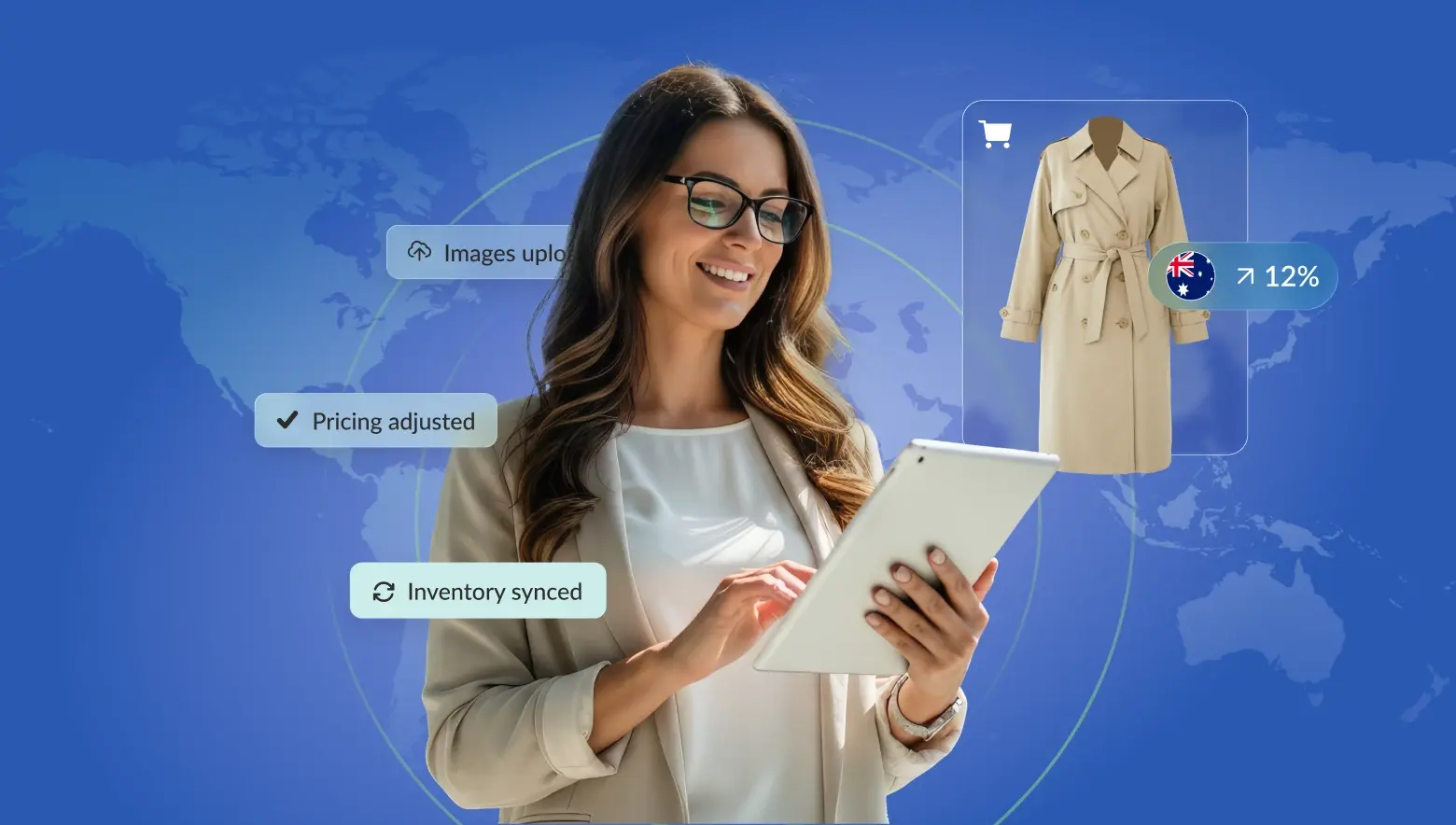
### Discover a better way to run your wholesale
[ Talk to our team **
](https://cta-service-cms2.hubspot.com/web-interactives/public/v1/track/click?encryptedPayload=AVxigLK26dqakqd%2FGfw8YDOhem1QoEDs7VL9UzC6foJig7hO%2F3kMQMzp6USlKsEZ0IQmM2cqePGYwdQdBbg0KKDZIYwtr9sHcIcTbPgU%2B1wL4NHySGVMsBNQto4jeX9wTIyGoUaoCoY5wHNN%2Fhyhvf03FkXxUfLOcLH18Mom%2FBxUrQ%2Bi&portalId=6465908)
## What are the biggest challenges of global eCommerce expansion?
Selling across borders sounds simple at first. If customers can access your site from anywhere, why not ship anywhere? The reality is more complicated. [Expanding globally](https://blog.nuorder.com/a-complete-guide-to-global-ecommerce-and-expanding-to-foreign-markets) shifts a business from managing a single market to juggling multiple legal systems, currencies, cultures, and fulfillment networks all at once.
For brands and wholesalers, the opportunity is enormous. So is the complexity. From logistics headaches to tax compliance and technology limitations, global eCommerce growth brings challenges that can quietly erode margins and strain operations if they are not handled carefully.
Here are the nine biggest obstacles companies face as they scale internationally, what makes them so difficult to manage, and how to solve them.
### Key takeaways
- Global growth multiplies complexity. Expanding across borders introduces logistics, tax, currency, and operational challenges that quickly compound without the right systems in place.
- Localization goes beyond translation. Success depends on adapting pricing, payments, messaging, and buying experiences to each market’s expectations, not just converting website copy.
- Centralized technology is critical. Disconnected systems create friction, while unified B2B eCommerce platforms, like NuORDER, help brands manage pricing, inventory, and retailer relationships at scale.
### 1. Cross-border logistics and last-mile delivery
Shipping within one country is hard enough. Shipping across borders introduces new layers of risk and cost. Customs clearance can delay orders unpredictably, and tariffs and duties fluctuate based on trade policy. In some regions, infrastructure gaps mean final delivery relies on smaller local couriers without advanced tracking capabilities.
Then there’s reverse logistics. International returns often cost more than the product itself. If customers are required to pay high return shipping fees or navigate confusing processes, they are unlikely to order again. A poor post-purchase experience damages trust quickly, especially in new markets where brand loyalty is still forming.
For wholesale businesses managing bulk shipments, showroom samples, and retailer replenishment across multiple countries, these logistics issues multiply. Visibility across inventory, shipments, and fulfillment partners becomes critical.
### 2. Regulatory and tax complexity
Every country has its own rules for imports, data privacy, labeling, and taxation. Keeping up is not optional. Customs duties and value-added tax rules differ by product category and destination. Miscalculations can result in unexpected fees for customers, which is one of the most common causes of abandoned international carts.
On top of that, data privacy laws like the European Union’s GDPR require strict handling of customer information. Product certifications and compliance standards vary widely as well. A product that is approved for sale in the United States may require additional testing or labeling in Europe or Asia. The administrative burden can overwhelm growing teams. Without accurate systems and centralized visibility, businesses risk penalties, shipment delays, or lost revenue.
### 3. Localization beyond translation
One of the most common mistakes in global eCommerce is assuming translation equals [localization](https://blog.nuorder.com/a-complete-guide-to-global-ecommerce-and-expanding-to-foreign-markets).
Translating product descriptions into another language is only the first step. True localization considers cultural preferences, imagery, sizing standards, seasonal timing, and even humor.
Payment preferences also vary significantly by region. While credit cards dominate in the United States, other markets rely heavily on local payment methods. If a site does not offer the preferred payment option, customers may abandon their purchase even if they love the product.
Wholesale eCommerce platforms face similar expectations. Retail buyers want product catalogs, pricing, and order workflows that reflect their local currency and business practices. Without that, friction builds and relationships suffer.
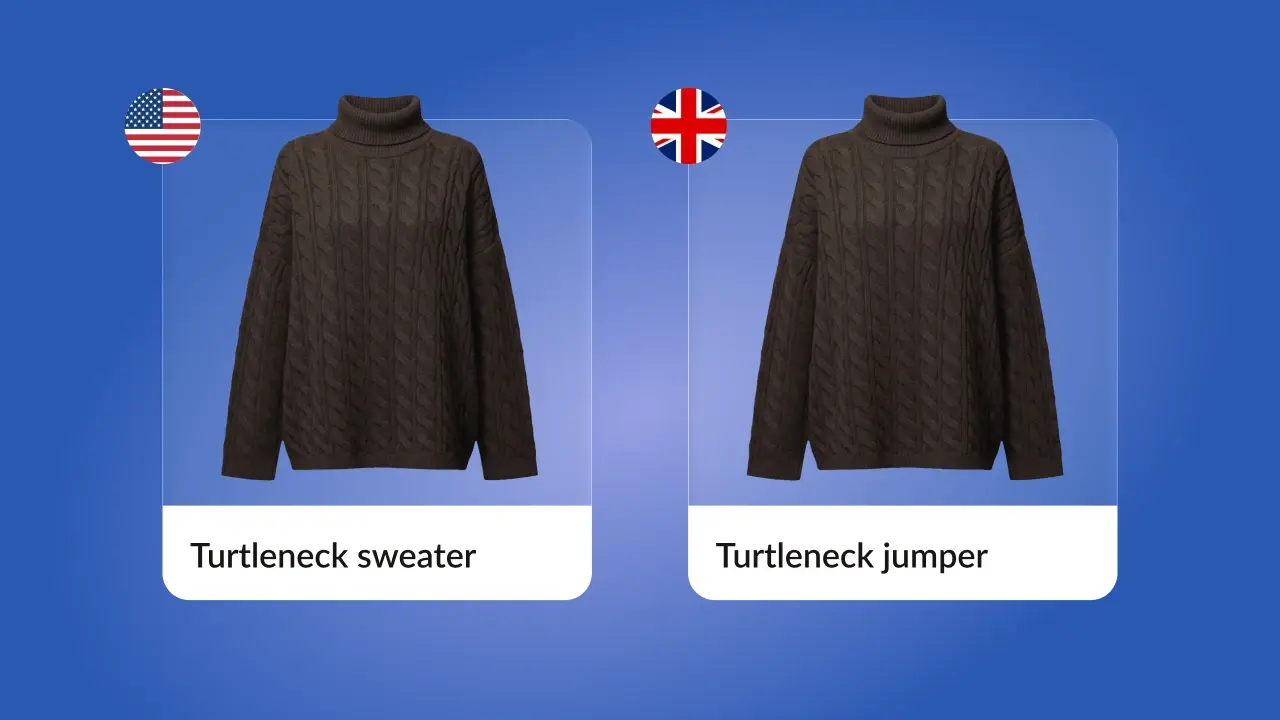
### 4. Currency fluctuations and pricing strategy
Selling in multiple currencies introduces foreign exchange risk. Strengthening home currency can make products appear more expensive overseas.
Maintaining consistent pricing across regions, marketplaces, and distribution channels becomes a constant balancing act. Businesses must account for shipping costs, local taxes, duties, and exchange rate volatility while still protecting margins.
For B2B sellers, pricing complexity grows further. Volume discounts, negotiated contracts, and region-specific promotions all need to be managed accurately, so a lack of centralized control can result in inconsistent pricing that confuses partners and damages trust.
### 5. Technology fragmentation
As companies expand, they often patch together systems to keep up. A separate platform for eCommerce, another for inventory, a third for order management, and often nothing more than spreadsheets to bridge the gaps.
Over time, this fragmented tech stack creates inefficiencies and inconsistent customer experiences. Data lives in silos. Teams spend hours reconciling numbers instead of analyzing them. Scaling to new regions requires duplicating work rather than building on a unified foundation.
In global wholesale environments, disconnected systems make it difficult to manage assortments, coordinate with retailers, and maintain accurate inventory visibility across markets. The result is slower decision making and missed opportunities.
### 6. Rising competition and customer acquisition costs
[Global eCommerce](https://blog.nuorder.com/global-ecommerce-solutions) growth also means global competition. Brands are not just competing with local players but with international marketplaces and direct-to-consumer disruptors. Digital advertising costs continue to rise, making it more expensive to acquire customers in saturated markets. Without strong brand differentiation and localized messaging, new entrants struggle to stand out.
Wholesale brands face similar pressures. Retailers have more choices than ever, and they expect intuitive digital buying experiences. If ordering feels cumbersome or outdated, buyers can quickly shift to competitors offering smoother digital tools.
### 7. Cybersecurity and fraud risks
Expanding into new regions increases exposure to fraud and cyber threats. Different jurisdictions have different security standards and enforcement mechanisms.
Cross-border transactions may trigger higher fraud rates due to unfamiliar billing addresses or payment methods. At the same time, data protection requirements vary widely, increasing compliance complexity. A single breach can damage reputation globally. Protecting customer and partner data requires vigilant security practices and systems designed to handle international scale.
### 8. Returns, time zones, and customer service
Customer service becomes more complicated across time zones and languages. Providing timely support in multiple regions requires either a large internal team or outsourced partners.
Returns management is equally challenging. International return shipping can be expensive and slow. Without clear policies and accessible support, customer satisfaction declines.
For B2B operations, retailer support adds another layer. Buyers need assistance with orders, inventory questions, and reorders across different business hours, and efficient communication tools and centralized data become essential.
### 9. Supply chain volatility
Global disruptions have shown how fragile supply chains can be. Port congestion, geopolitical tensions, and raw material shortages can ripple across international operations. For companies selling globally, supply chain instability can lead to stockouts in one region while excess inventory builds in another. Coordinating forecasting, production, and distribution across markets requires accurate, real-time data. Wholesale businesses, in particular, must balance commitments to retail partners with fluctuating supply conditions, where visibility and coordination are critical to maintaining trust.
## Support global eCommerce growth with NuORDER
Global eCommerce growth offers significant opportunity, but it also introduces layered operational, financial, and technological challenges. Logistics, compliance, localization, pricing, technology integration, and security all intersect. Challenges in any one area can undermine progress in others. For B2B brands and wholesalers, the stakes are even higher. Managing digital catalogs, retailer relationships, regional pricing, and cross-border fulfillment demands a centralized approach rather than disconnected tools.
That is where purpose-built platforms make a difference. Solutions like NuORDER are designed specifically for wholesale eCommerce, giving brands a single place to manage digital assortments, pricing, inventory visibility, and retailer collaboration across markets. Instead of stitching together multiple systems, businesses can create a consistent buying experience for retail partners worldwide while maintaining control behind the scenes.
If you are evaluating how to support international growth without adding unnecessary complexity, [explore how NuORDER approaches B2B eCommerce](https://www.nuorder.com/wholesale/ecommerce/).
## Challenges of global eCommerce growth FAQs
### What are the challenges facing global eCommerce?
Global eCommerce faces challenges such as cross-border logistics delays, tariff and tax compliance, currency volatility, cultural and payment localization, cybersecurity risks, fragmented technology systems, rising customer acquisition costs, and complex returns management. Each of these factors can affect margins, customer trust, and operational efficiency.
### What are the 7 C's of eCommerce?
The 7 C’s of eCommerce typically refer to key elements that shape online strategy are Content, Context, Commerce, Community, Customization, Communication, and Connection. Together, these components guide how businesses design digital experiences and interact with customers.
### What are the 5 C's of eCommerce?
The 5 C’s often focus on broader business considerations: Company, Customers, Competitors, Collaborators, Climate. This framework helps businesses assess market conditions and strategic positioning when expanding online.
### What are the factors affecting the growth of eCommerce?
Key factors include internet penetration, payment infrastructure, logistics networks, regulatory environments, consumer trust, competitive intensity, technology capabilities, and macroeconomic conditions. For global growth specifically, currency stability, trade policies, and localization capabilities play especially important roles.
Share article
[](https://www.instagram.com/nuorder/) [](https://www.instagram.com/nuorder/) [](https://www.facebook.com/NuORDERwholesale/) [](mailto:heroes@nuorder.com)
Inside this post 

## Related articles
[ecommerce](https://6465908.hs-sites.com/topic?slug=ecommerce&page=1)
#### [ What is a digital line sheet? ](https://blog.nuorder.com/digital-line-sheets)
[ecommerce](https://6465908.hs-sites.com/topic?slug=ecommerce&page=1)
#### [ 9 B2B eCommerce platform features you need in 2026 ](https://blog.nuorder.com/b2b-ecommerce-platform-features)
[ecommerce](https://6465908.hs-sites.com/topic?slug=ecommerce&page=1)
#### [ How is Wholesale eCommerce different from DTC eCommerce? ](https://blog.nuorder.com/how-is-wholesale-ecommerce-different-from-dtc-ecommerce)
[ecommerce](https://6465908.hs-sites.com/topic?slug=ecommerce&page=1)
#### [ The 9 biggest challenges of global eCommerce growth, and how to fix them ](https://blog.nuorder.com/challenges-of-global-ecommerce-growth)
## Get on the list
Wholesale tips and industry news you can’t miss, delivered weekly
### Are you ready to *transform* your wholesale business?
See how NuORDER by Lightspeed can help you reach new heights.
[ Talk to an expert
](https://cta-service-cms2.hubspot.com/web-interactives/public/v1/track/click?encryptedPayload=AVxigLKTDTbBempP%2BRIjgS9pAHdxVMcaOeuSCue926M3eS2Rv%2BdhlcAIirVFnV1lTIGUbsza0Fi2DJZGmb5f94C0BOHDgW4mgifcbgw8devaI11srUFx5DCBpB0Lg4jOVK9Tv6D5DWpy68tMh6%2BJiSpfUiu6tmeWXBL5FV79tyUkVbdm&portalId=6465908)

Demo request
Log in
- Network
- [Exclusive Retailers](https://www.nuorder.com/exclusive-retailers)
- [Partner Program](https://www.nuorder.com/partners/)
- [Resources ](https://www.nuorder.com/resources-archive/)
- [Content Library](https://www.nuorder.com/resources-archive/)
- [Blog](https://blog.nuorder.com/)
- [Case Studies](https://www.nuorder.com/resources-archive/#filter-case-studies)
- [eBooks & Guides](https://www.nuorder.com/resources-archive/#filter-ebooks)
- [Webinars](https://www.nuorder.com/resources-archive/#filter-webinars)
- [Learning & Support](https://learning-support.nuorder.com/)
- [Knowledge Base](https://helpdesk.nuorder.com/hc/en-us/)
- Company
- [About Us](https://www.nuorder.com/about-us/)
- [Careers](https://www.lightspeedhq.com/careers/)
- [Contact Us](https://www.nuorder.com/contactus/)
- [Privacy Policy](https://www.lightspeedhq.com/legal/privacy-policy/)
- [Terms & Conditions](https://www.nuorder.com/terms-and-conditions/)
Get the latest wholesale tips and industry news from our blog delivered to your inbox.
@2025 NuORDER Inc. All Rights Reserved

- [Resources ](https://www.nuorder.com/resources-archive/)
- [Content Library](https://www.nuorder.com/resources-archive/)
- [Blog](https://blog.nuorder.com/)
- [Case Studies](https://www.nuorder.com/resources-archive/#filter-case-studies)
- [eBooks & Guides](https://www.nuorder.com/resources-archive/#filter-ebooks)
- [Webinars](https://www.nuorder.com/resources-archive/#filter-webinars)
- [Learning & Support](https://learning-support.nuorder.com/)
- [Knowledge Base](https://helpdesk.nuorder.com/hc/en-us/)
- Network
- [Exclusive Retailers](https://www.nuorder.com/exclusive-retailers)
- [Partner Program](https://www.nuorder.com/partners/)
- Company
- [About Us](https://www.nuorder.com/about-us/)
- [Careers](https://www.lightspeedhq.com/careers/)
- [Contact Us](https://www.nuorder.com/contactus/)
- [Privacy Policy](https://www.lightspeedhq.com/legal/privacy-policy/)
- [Terms & Conditions](https://www.nuorder.com/terms-and-conditions/)
Demo request
Log in
Get the latest wholesale tips and industry news from our blog delivered to your inbox.
@2025 NuORDER Inc. All Rights Reserved