Five footwear habits that make or break a wholesale strategy
Footwear wholesale has more moving parts than almost any retail category. The fastest growing brands are turning that complexity into a competitive edge.
The footwear brands flooding back to wholesale in 2026 are walking into a tougher room than they left. After a decade of DTC-first bets, wholesale has found its way back to the forefront of real priorities. In fact, NuORDER's 2026 State of B2B eCommerce Report found that 78% of senior leaders now rank wholesale as their #1 investment channel, and the winners are competing on precision over volume.
Brands that read the shift early are already pulling ahead. On a recent earnings call, Birkenstock CEO Oliver Reichert noted that his brand reaches consumers through “12,000 high-quality touch points: via wholesale partners versus 90 of its own doors—and added that “in a flat U.S. market, retail revenue at our top 10 wholesale partners was up 25 percent.”
For a footwear buyer, that precision comes down to a series of frictions or wins—whether the size curve was right, whether the available-to-serve (ATS) feed was current, whether the ship date held. Get the operations right and you’re a partner buyers fight to keep. Miss them and you may quietly lose doors. In footwear, precision lives in five key places.
1. Size and width runs: Math retailers can't afford to get wrong
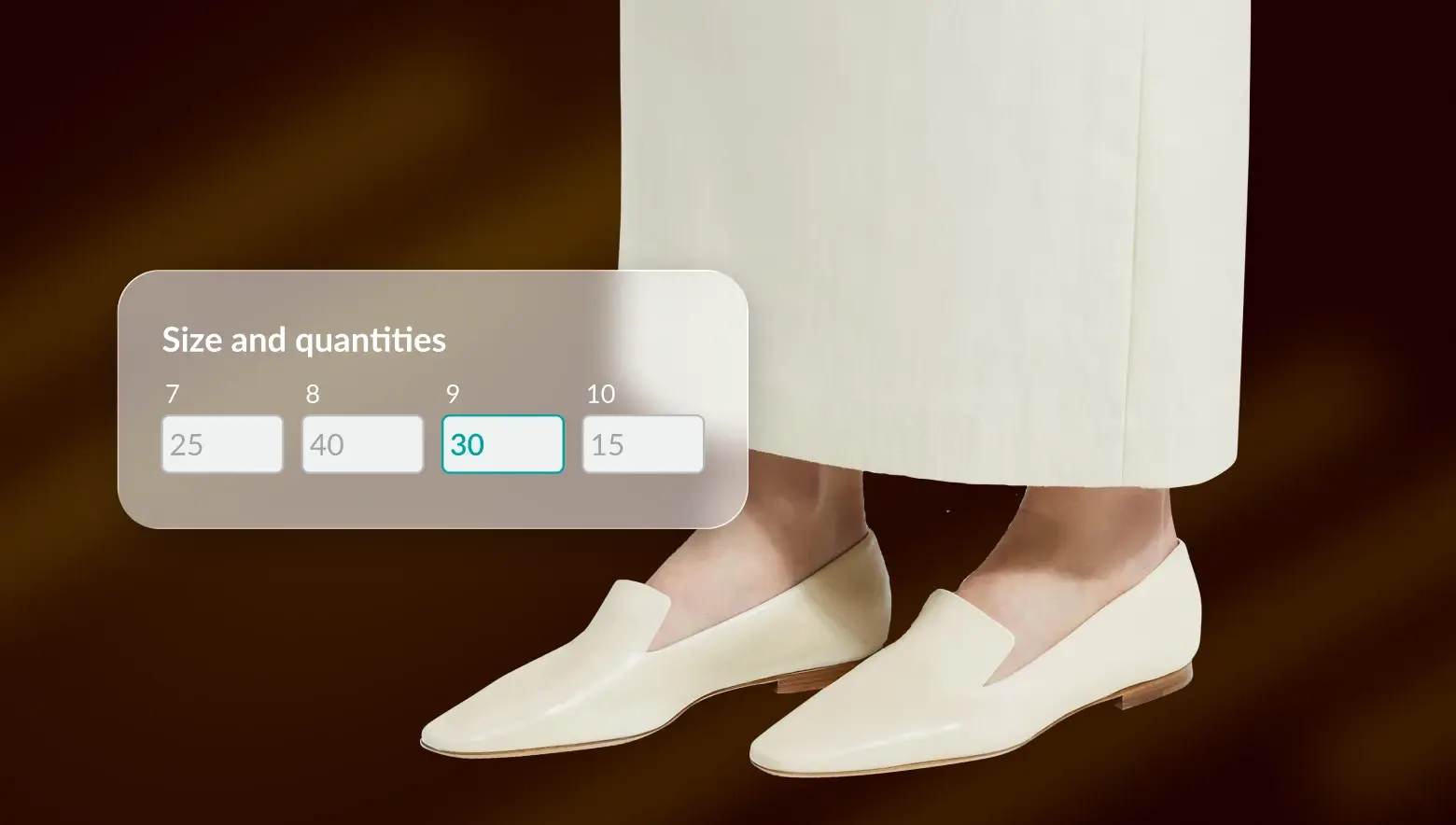
Start with the SKU math. A single footwear style typically runs across eight to 12 sizes, often in two or three widths, in multiple colorways, across seasonal drops. One style on a spec sheet can easily translate to a hundred or more individual SKUs in the warehouse—and a broken size curve at any one of those accounts is a slow-bleed markdown waiting to happen.
The fix is upstream: account-specific size curves that reflect how that retailer's customer actually shops, localized to geography and door type.
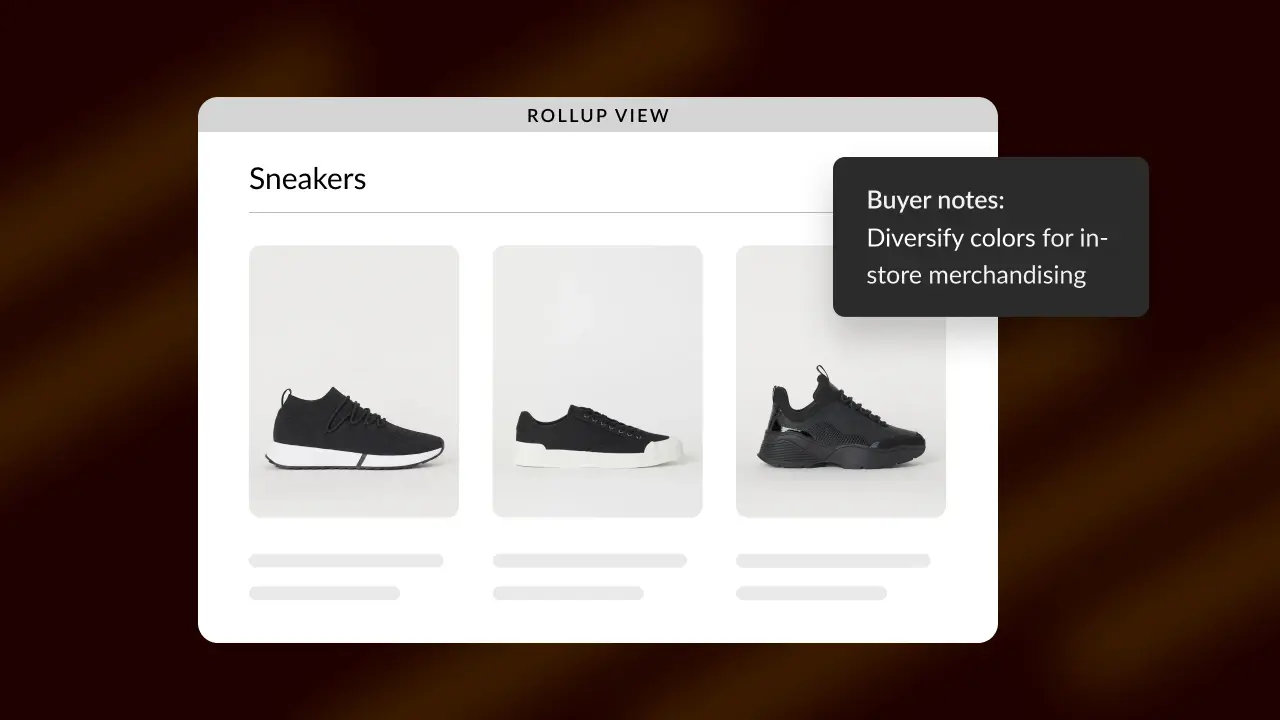
Digital tools catch the problems before the PO ships. Visual roll-ups surface duplicate buys and gaps across assortments; automated size curves scale what a planner used to rebuild in Excel for every account. NuORDER Assortments was built for exactly this kind of work—and when the size math is right, the rest of the relationship gets easier.
2. Pre-book, ATS, and replenishment in one view
Footwear runs on two clocks at once. Pre-book is forward planning. Reorders are the in-season scramble to get more of the styles that are working, before inventory runs out. Brands that show buyers both—real-time ATS positions beside pre-book calendars—make reordering frictionless and win the late-season business others lose while emailing for an availability check.
This is also where the “Toggle Tax” from our 2026 industry report shows up in daily operations. Every minute a buyer spends bouncing between a PDF linesheet, a sales rep’s inbox, and an ATS spreadsheet is a minute they're not placing an order. Order management built on live inventory closes that gap — and turns 24/7 digital ordering from a feature into a revenue driver.
3. Digital presentation that works harder to sell fit
Comfort and fit are top priorities for footwear shoppers, and buyers can’t squeeze a sample over Zoom. Footwear’s tactile selling problem is real, and it’s why digital presentation in this category has to work harder than it does for apparel. The winning brands lean on rich product views —360° rotations, construction detail, on-foot context—and then go a step further: building curated, story-driven assortments tailored to each account.
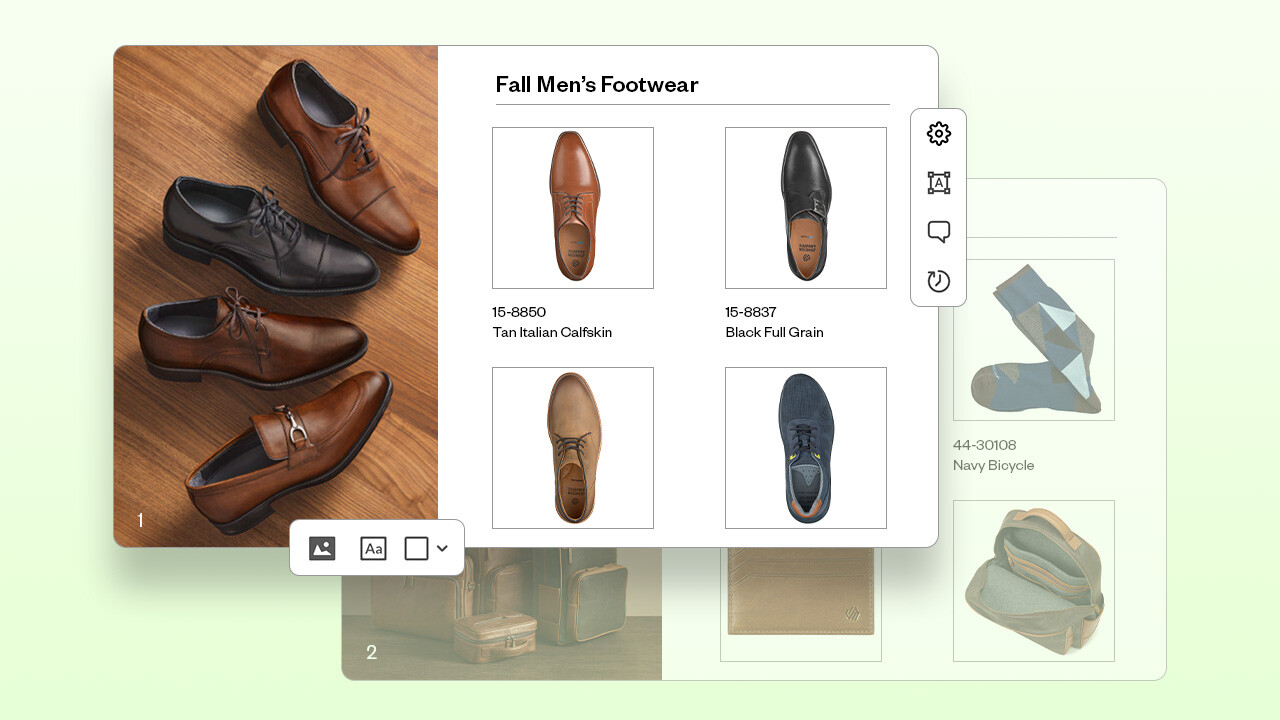
Iconic US footwear and apparel brand Johnston & Murphy is a good example. The team uses NuORDER Whiteboards to build personalized custom lists for key retailers—including, for one nationwide department store, recommendations on which SKUs are right for which doors. The same product library powers their catalog pagination, so sales and marketing pull from one source of truth for imagery, SKUs, and data—and every retailer presentation starts with merchandising already tailored to that buyer.
4. Drop calendars and delivery windows
Seasonality in footwear is unforgiving. Miss the back-to-school ship window, the spring transitional drop, or the pre-holiday boot moment, and the order is gone—not deferred. That puts enormous weight on the plumbing between the ordering platform and the ERP: delivery dates, split shipments, late-swap requests, and cancel-by windows can't live in email threads.
Recent surveys show the gap painfully clear: only 9% of wholesale brands have achieved truly seamless ERP integration, and that number has actually dropped from a year ago. The other 91% are managing the gap with manual workarounds—the Toggle Tax of switching between systems, re-entering data, and chasing down accuracy issues.
In a category where the calendar doesn’t wait, that drag costs real orders. The operational payoff of tight integration sounds is where margin actually gets defended. Wholesale trends in 2026 show that the industry’s best operators are treating system integration as a growth strategy, not IT overhead.
5. Sell-through as the new sales pitch
Footwear buyers are under intense margin pressure, and they're rewarding the brand partners who make their job easier. The linesheet-and-lookbook sales call isn’t enough anymore. The brands winning shelf space next season are the ones showing up with sell-through data by door, by size, by week—evidence of what’s working, and a point of view on what to buy next.
Up to 67% of brands now use sell-through data in daily decision-making, more than double last year. Without it, brands are pitching next season's buy on instinct while their competitors are pitching it on proven evidence.
The easiest brand to do business with wins
Wholesale’s winners in 2026 share a quality that sounds simple and isn't: they're the easiest brands to do business with. Italian luxury brand Santoni knows this: they built regional brand portals so buyers around the world could view collections and place orders on their own terms, and saw engagement and wholesale revenue grow as a result.
In footwear, “easy” is operational, not aspirational. It lives in size curves, ATS visibility, ship windows, curated assortments, and sell-through reports. Get those right and you don't just protect the account—you earn the next one.
See how NuORDER by Lightspeed helps footwear brands run a sharper wholesale business.
Share article


Get on the list
Wholesale tips and industry news you can’t miss, delivered weekly